Old Maps of Jackson Township, Pennsylvania for Genealogy
Trace your family roots with 52 historic maps of Jackson Township. These high-res maps reveal old neighborhoods, homesites, landmarks, and streets — helping you uncover where your ancestors lived and how the area evolved over time.
- Explore historic neighborhoods: Identify where your relatives may have lived in the 1800s or 1900s.
- Compare maps over time: Trace the changes in streets, buildings, and landmarks for multi-generational research.
- Perfect for genealogy & ancestry research: Used by family historians and researchers to map out lineage and migration.
These maps are an incredible resource for exploring your personal connection to Jackson Township's past.
Jackson Township, PA maps
(52)- 1891 Map of Wilkesbarre
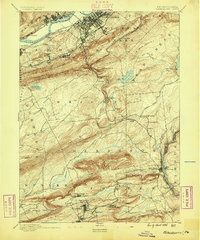 1891 Wilkesbarre1891 Print · USGSLuzerne County's industrial heartland is caught here at the height of the anthracite era, where the coal-and-rail economy dominated the Wyoming Valley. Genealogists and historians can trace the specific layouts of coal patches like Sugar Notch and Moffatt Patch or follow the path of the Lehigh Valley R. R. across the ridges.2 unique versions available
 - 1891 Map of Harveys Lake, 1962 Print
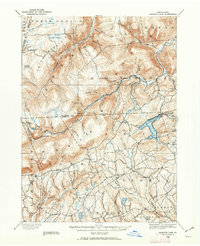 1891 Harveys Lake1962 Print · USGSLuzerne and Wyoming counties are shown here in the late nineteenth century as the timber and rail industries transformed the mountains. Researchers can trace the Lehigh Valley R.R. through Noxen and locate early lake settlements like Laketon and Idetown.
 - 1893 Map of Harvey Lake
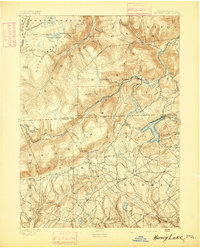 1893 Harvey Lake1893 Print · USGSThe northern Pennsylvania Highlands are captured here in the late nineteenth century, just as the lumber industry was reshaping the landscape. Genealogists and historians can trace the early rail spurs of the Lewis Lumber R. R. and locate family-named hamlets like Cease Mills, Rittenhouse, and Sweet Valley.6 unique versions available
 - 1893 Map of Pittston
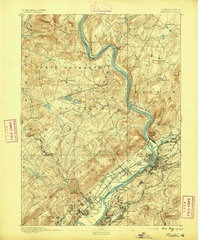 1893 Pittston1893 Print · USGSThe industrial Wyoming Valley and the rural uplands of the Susquehanna meet in this late nineteenth-century survey. Researchers can trace the complex rail networks of Pittston and West Pittston or locate family roots in settlements like Forty Fort, Maltby, and Falls.9 unique versions available
 - 1894 Map of Shickshinny
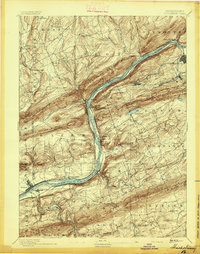 1894 Shickshinny1894 Print · USGSLuzerne County at the height of the coal and canal era reveals a landscape shaped by river transport and mountain ridges. Trace the remnants of the Pennsylvania Canal and locate long-standing river crossings like Hicks Ferry and Beach Haven Ferry.6 unique versions available
 - 1894 Map of Wilkesbarre
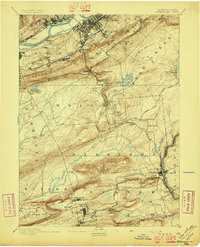 1894 Wilkesbarre1894 Print · USGSThe northern anthracite coal fields and rugged ridge-and-valley terrain of Luzerne County are captured here in the 1890s. Researchers can trace early railroad alignments through Sugar Notch or locate long-standing settlements like White Haven and Ashley.8 unique versions available
 - 1943 Map of Scranton
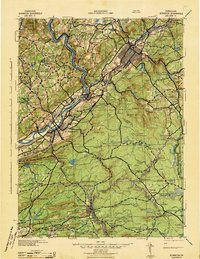 1943 Scranton1943 Print · USGSNortheastern Pennsylvania’s coal and rail corridor comes to life in the 1940s, showcasing the dense urban industrial centers of the Wyoming Valley. Genealogists can locate family landmarks like the Fayette School and Locust Ridge School or trace the early paths of the DL & W and Erie railroads.
 - 1946 Map of Nanticoke
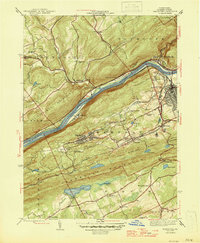 1946 Nanticoke1946 Print · USGSLuzerne County's industrial heartland is captured here in the mid-1940s, showing the dense rail networks and river towns of the Wyoming Valley. Trace family roots at St Alberts Cem, follow the Pennsylvania Canal (Abandoned), or explore old Glen Lyon.2 unique versions available
 - 1946 Map of Kingston, 1959 Print
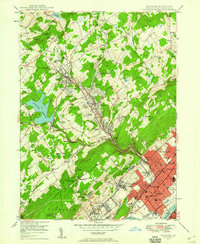 1946 Kingston1959 Print · USGSLuzerne County at the height of its mid-century industrial period reveals a landscape of dense riverfront boroughs and wooded ridges. Genealogists can locate family sites among Misericordia College, St Johns Cem, and the streets of Kingston.5 unique versions available
 - 1946 Map of Harveys Lake, 1962 Print
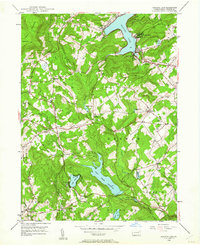 1946 Harveys Lake1962 Print · USGSLuzerne County's Back Mountain region appears here in the mid-1940s, characterized by its deep glacial lakes and highland ridges. Researchers can locate vanished landmarks like the Santee Sch, Wordan Place, and numerous family burial grounds including Kocher Cem.5 unique versions available
 - 1947 Map of Wilkes-Barre West, 1958 Print
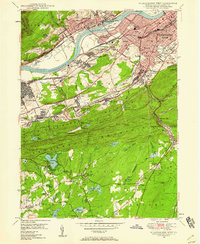 1947 Wilkes-Barre West1958 Print · USGSThe Wyoming Valley anthracite region thrives in the late 1940s, showing a landscape defined by massive coal operations and a dense rail network. Trace local family roots through sites like Shawnee Cem, Sugar Notch, and the neighborhood schools of Wilkes-Barre.6 unique versions available
 - 1949 Map of Kingston
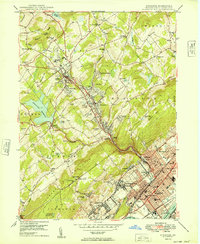 1949 Kingston1949 Print · USGSLuzerne County's Wyoming Valley is shown in the late 1940s as residential growth expanded from the Susquehanna River toward the uplands. Genealogists and historians can trace family plots at St Marys Cem and Polish Cem, or locate landmarks like Misericordia College and the Harvey Lookout Tower.
 - 1949 Map of Harvey Lake
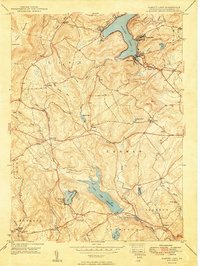 1949 Harvey Lake1949 Print · USGSLuzerne County's lake country is captured here during the late 1940s, showing the early development of resort and rural life. Genealogists can trace family names through landmarks like Wordan Place, Laketon, and the St Anns Cem.2 unique versions available
 - 1950 Map of Wilkes-Barre West
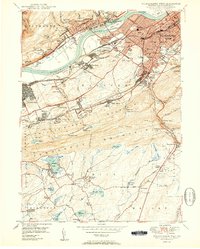 1950 Wilkes-Barre West1950 Print · USGSThe Susquehanna Valley thrives in this mid-century portrait of Pennsylvania's coal country. Genealogists and historians can trace the footprint of Wilkes-Barre alongside local landmarks like Shawnee Cem and the Pennsylvania RR.2 unique versions available
 - 1950 Map of Scranton, 1952 Print
 1950 Scranton1952 Print · USGSMid-century Northeast Pennsylvania and the Hudson Valley come alive in this survey of the tri-state region. Genealogists and historians can trace the dense rail networks of the Erie RR and DL&W RR between industrial hubs like Scranton and Wilkes-Barre.
 - 1953 Map of Scranton
 1953 Scranton1953 Print · USGSNortheastern Pennsylvania and the Catskills are shown in great detail during the early fifties, a time when rail lines and river valleys dictated the region's growth. Genealogists and historians can trace the industrial hearts of Scranton and Wilkes-Barre or locate remote landmarks like High Point and Lake Wallenpaupack.
 - 1954 Map of Williamsport
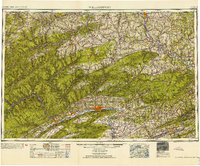 1954 Williamsport1954 Print · USGSNorth-central Pennsylvania in the mid-fifties is defined by the winding West Branch Susquehanna River and its industrial valley. Local historians can trace the massive Susquehanna Ordnance Depot and the extensive rail networks of the Pennsylvania Railroad.
 - 1954 Map of Nanticoke, 1956 Print
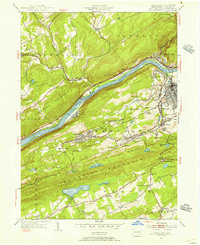 1954 Nanticoke1956 Print · USGSLuzerne County's industrial heartland is captured here in the mid-fifties, showing the rail-heavy corridor of the Susquehanna River. Genealogists can trace family footprints at St Marys Cem, Hunlock Creek, and the many coal-patch churches like Mt Zion Union Ch.5 unique versions available
 - 1955 Map of Shickshinny, 1960 Print
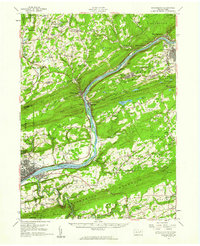 1955 Shickshinny1960 Print · USGSThe Susquehanna River valley and the anthracite coal region appear in fine detail during the mid-fifties. Researchers can trace old rail corridors, family cemeteries like St Alberts Cem, and smaller settlements such as Mocanaqua or Patterson Grove.
 - 1959 Map of Scranton
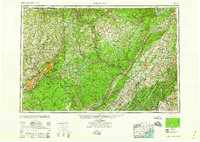 1959 Scranton1959 Print · USGSThe northern coalfields and the Hudson Valley meet in this mid-century survey of the Pennsylvania and New York borderlands. Genealogists and historians can trace the intricate rail networks of the Erie Railroad and the vast waters of Lake Wallenpaupack.2 unique versions available
 - 1960 Map of Williamsport
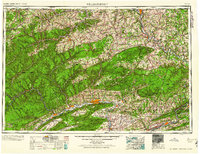 1960 Williamsport1960 Print · USGSNorth-central Pennsylvania in the mid-twentieth century was a vital corridor of rail and river industry stretching from the New York line to the coal regions. Genealogists can trace the rail networks of the Pennsylvania RR and Lehigh Valley RR connecting towns like Williamsport, Towanda, and Lock Haven.
 - 1962 Map of Williamsport, 1966 Print
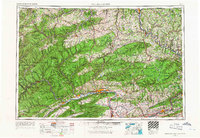 1962 Williamsport1966 Print · USGSNorth-central Pennsylvania was a landscape of industrial river hubs and vast state woodlands in the early sixties. Researchers can trace the path of the Pennsylvania Railroad through Williamsport and explore the remote reaches of Bucktail State Park.5 unique versions available
 - 1962 Map of Scranton, 1977 Print
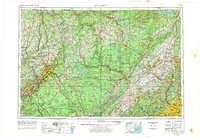 1962 Scranton1977 Print · USGSThe industrial heart of eastern Pennsylvania and the New York Catskills are captured here in the early sixties. Genealogists and historians can trace the dense valley settlements from Scranton to Wilkes-Barre and the rail lines of the Erie Lackawanna Railroad.2 unique versions available
 - 1965 Map of Scranton
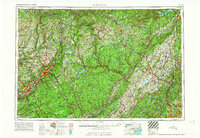 1965 Scranton1965 Print · USGSThe tri-state highlands of Pennsylvania, New York, and New Jersey come alive in the mid-sixties as industry and recreation converge. Trace the intricate rail lines of the Erie Lackawanna RR or locate landmarks like the U S Military Academy.2 unique versions available
 - 1965 Map of Williamsport
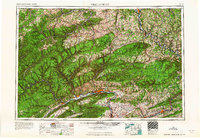 1965 Williamsport1965 Print · USGSNorth-central Pennsylvania in the mid-1960s is defined by the industrial river towns and vast timberlands of the Allegheny Plateau. Researchers can trace historic rail lines like the Erie Lackawanna and Reading as they thread through Williamsport, Lock Haven, and Jersey Shore.
Showing maps 1-25 of 52
Top cities near Jackson Township
- Wilkes-Barre historical maps
- Kingston historical maps
- Nanticoke historical maps
- Plains Township historical maps
- Dallas Township historical maps
- Pittston historical maps
See more
Top neighborhoods of Jackson Township
Frequently asked questions
- What are the different types of historical maps available for Jackson Township?
- What is the oldest map of Jackson Township?
- Where can I purchase historical maps of Jackson Township for my home or office?
- Where can I download high-res historical maps of Jackson Township?
- Are there historical topographic maps available for Jackson Township?
- Is there historical aerial imagery available for Jackson Township?
- Where are historical maps of Jackson Township sourced from?