Old Maps of Bamberg County, South Carolina for Hiking & Exploration
Hike through history with 99 historic maps of Bamberg County. Explore old trails, ghost towns, and forgotten backroads — perfect for outdoor adventurers and local explorers.
- Rediscover forgotten places: Map out old mining camps, roads, and footpaths that no longer exist on modern maps.
- Layer with modern tools: Combine with LiDAR or satellite views to plan hikes through historical terrain.
- Made for exploration: Popular among hikers, overlanders, and local history lovers.
Use these maps to find adventure and explore the hidden past of Bamberg County.
Bamberg County, SC maps
(99)- 1919 Map of Olar
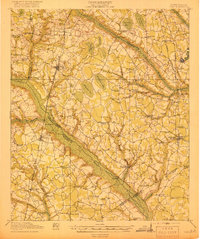 1919 Olar1919 Print · USGSBamberg and Barnwell counties are shown here just after the Great War, when the river swamps still dictated the path of travel. Genealogists can locate family sites near Hushes Old Mill, Savannah Creek Church, and Stony Bay School.3 unique versions available
 - 1919 Map of Bamberg
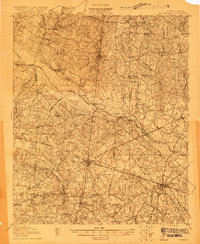 1919 Bamberg1919 Print · USGSThe South Carolina Lowcountry is captured here in the aftermath of the Great War, showing a landscape defined by rail junctions and river landings. Genealogists can trace family roots through numerous rural landmarks like Vorhees Institute, Spires Chapel, and Opossum College.
 - 1919 Map of Lodge, 1974 Print
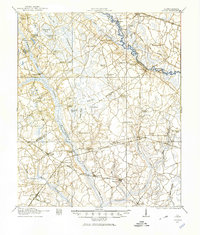 1919 Lodge1974 Print · USGSCoastal plain life in the early twentieth century is mapped here through its river-reliant settlements and extensive swamp networks. Genealogists can trace family footprints across dozens of local landmarks like Lodge, Smoaks, and Zion Church.
 - 1920 Map of Lodge
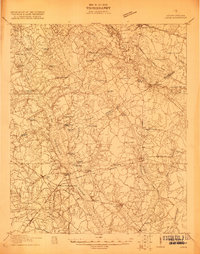 1920 Lodge1920 Print · USGSColleton and Bamberg counties at the dawn of the 1920s show a landscape of river-bottom farms and rural junctions. Genealogists can trace the location of early country institutions like Hunters Chapel, Tabernacle School, and the rail crossing at Hampton Branch Junction.
 - 1920 Map of Bamberg
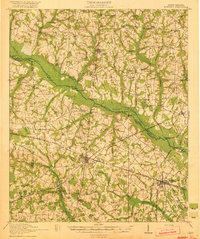 1920 Bamberg1920 Print · USGSBamberg and Denmark thrived as essential South Carolina railroad junctions during the years following the Great War. Genealogists and local historians can trace rural schoolhouses and landings along the South Fork Edisto River, including the Voorhees Institute, Opossum College, and Old Union Church.2 unique versions available
 - 1920 Map of Orangeburg
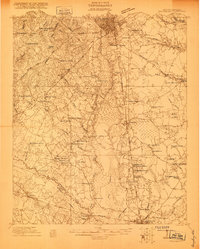 1920 Orangeburg1920 Print · USGSOrangeburg and the Edisto River valley are captured here at the start of the 1920s, revealing a landscape of small agricultural communities and railroad sidings. Genealogists can locate family landmarks like Bryants Academy, Snake Swamp School, and Cattle Creek Church.
 - 1921 Map of Orangeburg, 1919 Print
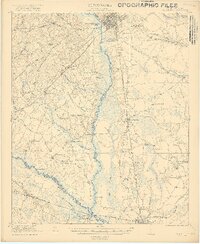 1921 Orangeburg1919 Print · USGSOrangeburg and the Edisto River basin are captured here just after the Great War, during a period of established rail commerce and rural education. Genealogists can trace dozens of schools and churches like Bryants Academy, Sardis School, and Bethel Church.3 unique versions available
 - 1921 Map of Lodge
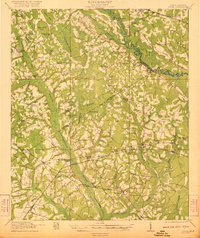 1921 Lodge1921 Print · USGSThe Salkehatchie and Edisto river basins come alive in this early 1920s survey of the South Carolina Lowcountry. Researchers can trace rural genealogy and old rail lines through local landmarks like Hunters Chapel, Smoaks, and the Hampton and Branchville RR.3 unique versions available
 - 1943 Map of Olar
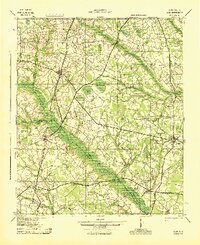 1943 Olar1943 Print · USGSThe rural Lowcountry around Olar and Ehrhardt appears here during the early 1940s, showing a landscape shaped by river swamps and rail lines. Genealogists can trace family footprints across dozens of sites like Kearse Chapel, Rizers Chapel, and Folk Sch.2 unique versions available
 - 1943 Map of Lodge
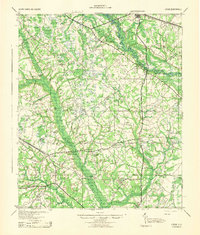 1943 Lodge1943 Print · USGSThe South Carolina Lowcountry is captured here in the early 1940s at the junction of four counties. Genealogists can trace family roots through numerous rural landmarks like H & B Junction, Hunters Chapel, and the Little Swamp Sch.
 - 1943 Map of Bamberg
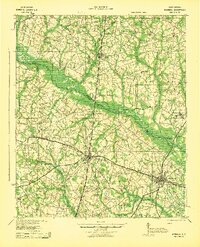 1943 Bamberg1943 Print · USGSMid-century South Carolina comes to life here, showing the intricate rail-and-river network of the Lowcountry. Researchers can locate the Vorhees Institute, trace family ties at Spires Chapel, and find old river access points like Hutto Landing.
 - 1943 Map of Orangeburg
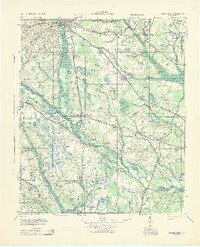 1943 Orangeburg1943 Print · USGSCoastal plain settlements and river forks define the South Carolina lowcountry during the early war years. Genealogists can trace family landmarks like Bochette Cem, Hunters Chapel Zion Ch, and unique sites like the Indian Field Camp Grounds.
 - 1943 Map of Orangeburg
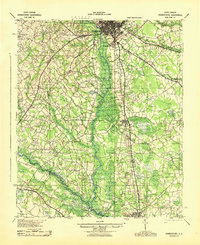 1943 Orangeburg1943 Print · USGSThe Orangeburg area in the early 1940s was a critical hub where the Southern and Atlantic Coast Line railroads intersected the Edisto forks. Genealogists can locate numerous rural landmarks like Bryants Academy, Mt Pisgah Ch, and the County Farm.
 - 1954 Map of Augusta
 1954 Augusta1954 Print · USGSThe Savannah River valley and South Carolina Midlands are captured here during a period of post-war growth. Researchers can trace the rail-and-river economy through the Southern RR corridor and locate historic settlements like Aiken, Orangeburg, and Sumter.
 - 1957 Map of Augusta, 1966 Print
 1957 Augusta1966 Print · USGSThe Savannah River and Santee basins are captured here during a period of massive military and industrial expansion in the late fifties. Genealogists can trace family footprints across Four Hole Swamp or near the Savannah River Plant.3 unique versions available
 - 1958 Map of Augusta
 1958 Augusta1958 Print · USGSThe borderlands between Georgia and South Carolina come alive in the 1950s, showing the early footprint of the Savannah River Plant. Genealogists and historians can trace rail-dependent towns and rural landmarks from Orangeburg to the Fort Jackson Military Reservation.
 - 1961 Map of Augusta
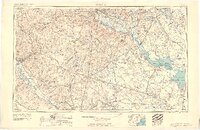 1961 Augusta1961 Print · USGSThe South Carolina lowcountry and CSRA appear here in the early sixties, during a period of massive military and industrial growth. Researchers can trace the development of the Savannah River Plant or locate legacy landmarks like Nelson Ferry and Magnolia Cemetery.2 unique versions available
 - 1962 Map of Augusta
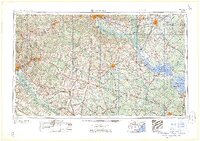 1962 Augusta1962 Print · USGSThe South Carolina and Georgia borderlands are seen here in the early sixties, showing the rise of the Savannah River Plant and the expansion of Fort Jackson. Researchers can trace old rail lines like the Southern Railway and find landmarks such as St. Pauls Church or the Santee Canal.
 - 1979 Map of Norway East
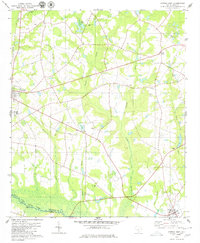 1979 Norway East1979 Print · USGSThe Orangeburg County countryside in the late 1970s is a landscape of scattered rural settlements and extensive swamp systems. Genealogists and local historians can locate several family-named landmarks and churches, including Bolen Town, Spiers Ch, and the Old Union Cem near the South Fork Edisto River.2 unique versions available
 - 1979 Map of Midway, 1980 Print
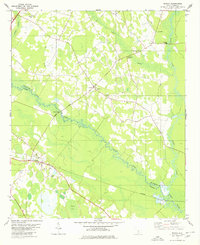 1979 Midway1980 Print · USGSThe river-laced borderlands of Orangeburg and Bamberg counties are captured here in the late seventies. Family historians can trace rural roots through landmarks like Cana of Galilee Ch, the Southern rail stop at Midway, and the Isaac Jennings Canal.2 unique versions available
 - 1979 Map of Bamberg, 1980 Print
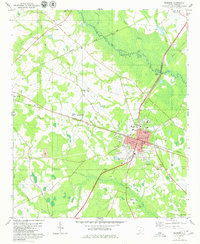 1979 Bamberg1980 Print · USGSBamberg and Denmark thrived at a major rail junction during the late seventies, as the South Carolina Lowcountry balanced agriculture with industry. Genealogists and historians can locate the Carlisle Military Sch, Springtown Ch, and the County Courthouse.2 unique versions available
 - 1979 Map of Denmark, 1980 Print
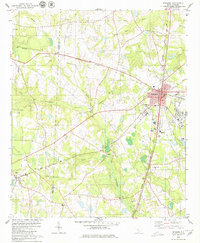 1979 Denmark1980 Print · USGSBamberg County at the end of the 1970s reveals a landscape defined by crossing rail lines and rural education centers. Researchers can trace family roots through Voorhees College, Ghents Branch Ch, and the Honeyford Cem while following the SOUTHERN railroad through Lees.2 unique versions available
 - 1979 Map of Norway West, 1991 Print
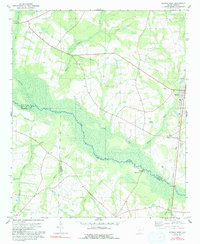 1979 Norway West1991 Print · USGSThe rural landscape of South Carolina's low country is captured here in the late seventies, centered on the railroad town of Norway. Genealogists can trace local roots through numerous country churches and cemeteries like Bushy Pond Ch and Jericho Cem.
 - 1982 Map of Branchville South, 1983 Print
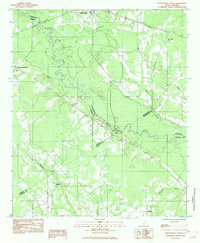 1982 Branchville South1983 Print · USGSThe Edisto River lowlands were still defined by traditional river crossings and rural church communities in the early 1980s. Researchers can locate family landmarks like Mc Alhany Cem and the river-crossing at Sandy Island Bridge near Branchville.
 - 1982 Map of Branchville North, 1983 Print
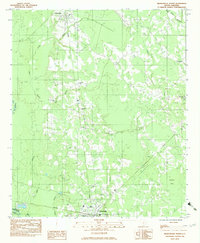 1982 Branchville North1983 Print · USGSThe rural stretches of Orangeburg County are captured here in the early eighties, centered on the railroad corridor between Rowesville and Branchville. Genealogists can locate several family and church landmarks like Peter Bowman Cem, Byrd Cem, and Cattle Creek Ch.
Showing maps 1-25 of 99
Top cities of Bamberg County
- Bamberg historical maps
- Denmark historical maps
- Ehrhardt historical maps
- Olar historical maps
- Govan historical maps
Frequently asked questions
- What are the different types of historical maps available for Bamberg County?
- What is the oldest map of Bamberg County?
- Where can I purchase historical maps of Bamberg County for my home or office?
- Where can I download high-res historical maps of Bamberg County?
- Are there historical topographic maps available for Bamberg County?
- Is there historical aerial imagery available for Bamberg County?
- Where are historical maps of Bamberg County sourced from?