1970s Maps of Beadle County, South Dakota
Explore 19 historic maps of Beadle County from the 1970s. These maps offer a rare glimpse into what life looked like during the 1970s — showing old roads, neighborhoods, homes, and landmarks that have changed or disappeared over time.
Whether you're researching your family's past, planning a metal detecting trip, or studying how Beadle County's landscape evolved across the 1970s, these high-resolution maps are a powerful tool for exploring the history of this region.
- Focus on a specific era: All maps on this page are from the 1970s, giving you a focused view of this time period.
- See what’s changed: Compare century-old streets, trails, and buildings to today's modern landscape using overlays and satellite layers.
- Research with precision: Use these maps for genealogy, historical research, land use analysis, or educational projects.
- View, download, or print: Maps are fully viewable online in high resolution, and can be downloaded or printed for your own records.
Start exploring Beadle County's history through authentic maps from the 1970s. This is your window into the past.
Beadle County, SD maps
(19)- 1971 Map of Iroquois, 1973 Print
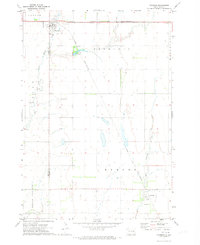 1971 Iroquois1973 Print · USGSIroquois and the surrounding prairie are captured here in the early seventies as established agricultural and rail hubs. Genealogists and local historians can trace the town layouts of Iroquois and Esmond or locate the Cemetery and Lake Iroquois campground.
 - 1971 Map of Artesian NW, 1973 Print
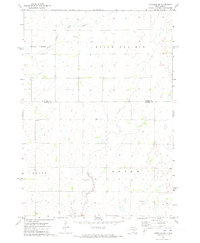 1971 Artesian NW1973 Print · USGSSanborn and Beadle counties are captured here in the early 1970s, showcasing a rural prairie landscape defined by isolated farmsteads and township boundaries. Genealogists can locate family sites near Immanuel Ch Cem or St Anthonys Cem along the Pearl Creek drainage.
 - 1971 Map of Pearl Creek Colony, 1973 Print
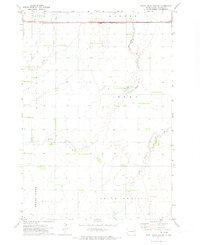 1971 Pearl Creek Colony1973 Print · USGSBeadle County in the early 1970s shows a landscape of communal settlement and prairie agriculture centered on the Pearl Creek Colony. Researchers can trace the path of the Chicago and North Western railroad or the winding South Fork Pearl Creek.
 - 1971 Map of Bancroft West, 1973 Print
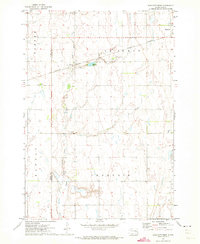 1971 Bancroft West1973 Print · USGSThe agricultural plains of Kingsbury and Beadle counties are captured here in the early 1970s, as the railroad still connected these rural townships. Researchers can trace land details near Bancroft and Osceola, or locate landmarks like the Cem and Osceola Lake.
 - 1971 Map of Yale, 1973 Print
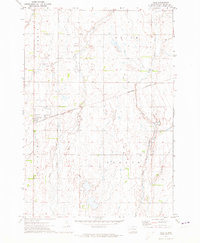 1971 Yale1973 Print · USGSBeadle County's prairie landscape is documented here in the early 1970s as the rail-centered community of Yale continued its historic role. Researchers can trace local genealogy at Trinity Cem and Dixon Cem or follow the Burlington Northern line.
 - 1971 Map of Artesian NE, 1973 Print
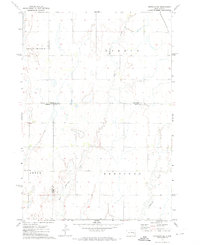 1971 Artesian NE1973 Print · USGSFour counties converge in this South Dakota agricultural landscape during the early seventies, centered on the drainage of the Redstone forks. Genealogists and local historians can locate the old Townhall and trace the route of the Chicago and North Western railroad through Afton and Esmond.
 - 1971 Map of Bloomfield, 1974 Print
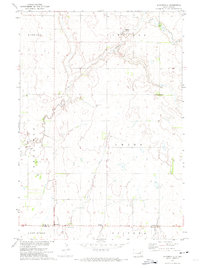 1971 Bloomfield1974 Print · USGSAgricultural life in eastern South Dakota comes into focus during the early seventies, spanning the Beadle and Spink county line. Researchers can locate specific homestead sites and landmarks like Hillside Colony, La Delle, and Hutterthal Ch.
 - 1973 Map of Wolsey, 1976 Print
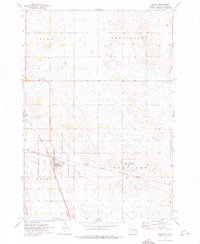 1973 Wolsey1976 Print · USGSBeadle County in the 1970s is a landscape defined by its vital rail junctions and prairie townships. Genealogists and local historians can trace the intersection of the Chicago and North Western and locate landmarks like St Johns Cem and the Townhall.
 - 1973 Map of Alpena, 1976 Print
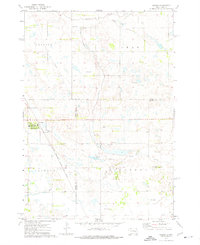 1973 Alpena1976 Print · USGSThe town of Alpena and the surrounding prairie are captured here in the early 1970s, as a vital rail-link hub. Researchers can locate the Rest Haven Cem and trace the Milwaukee Road railroad line as it cuts through Cain Creek country.
 - 1973 Map of Wessington Springs NE, 1976 Print
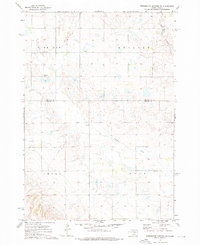 1973 Wessington Springs NE1976 Print · USGSThe Beadle and Jerauld County line in the early 1970s reveals a structured agricultural landscape organized by named townships. Family historians can locate the Earlville Cem and trace the paths of Sand Creek and Firesteel Creek across the prairie.
 - 1973 Map of Broadland, 1976 Print
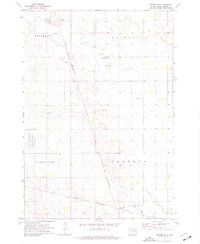 1973 Broadland1976 Print · USGSBeadle County in the early seventies is mapped here as a network of rail lines and agricultural townships. Genealogists and local historians can trace the Chicago and North Western corridor through Broadland and past the Townhall in Hartland.
 - 1973 Map of Wessington Springs NW, 1976 Print
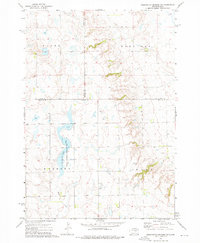 1973 Wessington Springs NW1976 Print · USGSThe prairie lake country of Jerauld and Hand Counties is shown in the early seventies as a hub for conservation and agriculture. Researchers can trace land divisions in Harmony and Cherry or locate the small settlement of Bates near Long Lake.
 - 1973 Map of Virgil, 1976 Print
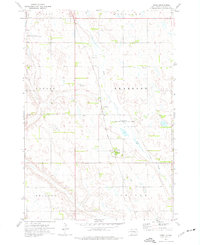 1973 Virgil1976 Print · USGSVirgil and the rural townships of Beadle County are captured in the early seventies, centered on the vital rail corridor. Researchers can trace the path of the Chicago Milwaukee St Paul and Pacific railroad or locate landmarks like the Water Tank and Townhall.
 - 1973 Map of Woonsocket NW, 1976 Print
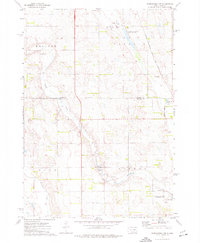 1973 Woonsocket NW1976 Print · USGSJerauld and Beadle Counties appear here in the early seventies, capturing the rural character of the South Dakota prairie. Genealogists and historians can trace the Milwaukee Road rail line through Alpena or locate Zion Cem and local tracts of the National Waterfowl Production Area.
 - 1973 Map of Wolsey SE, 1976 Print
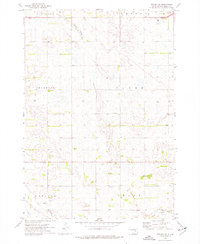 1973 Wolsey SE1976 Print · USGSBeadle County farmland at the start of the 1970s is shown here in high detail, from the small community of Carlyle to the rural Townhall. Genealogists and researchers can trace township lines and water features like Schwartz Slough or Cain Creek.
 - 1973 Map of Staum Dam, 1978 Print
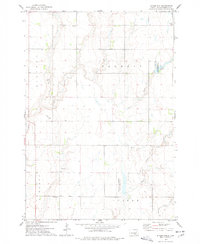 1973 Staum Dam1978 Print · USGSBeadle County was characterized by a mix of managed wildlife areas and prairie farmsteads in the early seventies. Genealogists and local researchers can locate St Williams Cem, the rural Townhall, and the waters of Shue Creek.
 - 1973 Map of Carpenter SE, 1978 Print
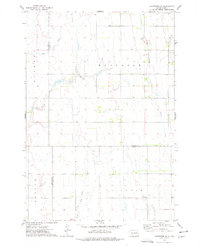 1973 Carpenter SE1978 Print · USGSThe rural prairie landscape at the junction of Beadle, Clark, and Kingsbury Counties is captured here in the early seventies. Genealogists and local historians can trace the boundaries of Rosedale and Le Sueur townships or locate the Le Sueur Cem.
 - 1973 Map of Carpenter, 1978 Print
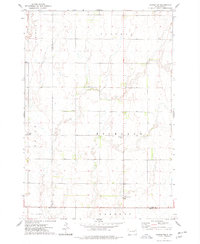 1973 Carpenter1978 Print · USGSEastern South Dakota’s agricultural heartland is documented here in the early seventies, showing a landscape defined by township grids and scattered rural communities. Genealogists and local historians can locate early burial sites at Union Cem and Richland Cem, or trace the small settlements of Richland and Carpenter.
 - 1973 Map of Carpenter NE, 1978 Print
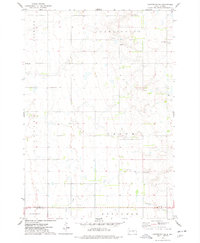 1973 Carpenter NE1978 Print · USGSThe rural agricultural townships of Beadle and Clark counties come into focus during the early 1970s. Genealogists can locate family landmarks such as Bethlehem Ch, Hague Cem, and Woodland Cem among the section-line roads and creek beds.
End of results
Showing maps 1-19 of 19
Top cities of Beadle County
- Huron historical maps
- Wolsey historical maps
- Wessington historical maps
- Cavour historical maps
- Yale historical maps
- Hitchcock historical maps
See more
Frequently asked questions
- What are the different types of historical maps available for Beadle County?
- What is the oldest map of Beadle County?
- Where can I purchase historical maps of Beadle County for my home or office?
- Where can I download high-res historical maps of Beadle County?
- Are there historical topographic maps available for Beadle County?
- Is there historical aerial imagery available for Beadle County?
- Where are historical maps of Beadle County sourced from?