Old Maps of Martin, South Dakota for Metal Detecting
Plan your next treasure hunt with 188 historic maps of Martin. Find old homesites, ghost towns, trails, and gathering spots that may be lost to time — perfect for identifying promising metal detecting locations.
- Locate forgotten sites: Uncover places like long-lost settlements, abandoned rail lines, or gathering spots.
- Plan better hunts: Use map overlays combined with LiDAR or satellite views to narrow in on historically rich areas.
- Made for detectorists: Thousands of hobbyists use these maps to discover relics, coins, and hidden history.
Use these historic maps to boost your research and find new opportunities beneath the surface of Martin.
Martin, SD maps
(188)- 1950 Map of Cody, 1952 Print
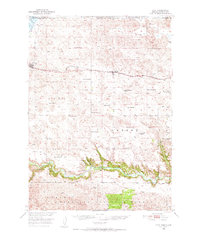 1950 Cody1952 Print · USGSCherry County ranching and rail life are at the forefront here in the early fifties as the railroad connects isolated outposts. Researchers can trace historic family lands like the Goodwin Ranch or locate vanished rural schoolhouses such as Crackerbox Sch and School No 60.2 unique versions available
 - 1950 Map of Irwin, 1979 Print
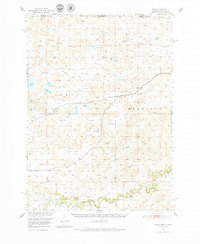 1950 Irwin1979 Print · USGSThe Nebraska Sandhills and South Dakota borderlands are captured here at mid-century, showing a landscape of isolated ranches and scattered prairie lakes. You can trace the Chicago and North Western rail line and locate rural landmarks like School No 61 and Lions Bridge.
 - 1951 Map of Irwin
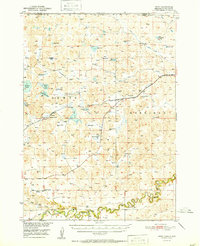 1951 Irwin1951 Print · USGSThe ranching country of northern Nebraska is captured here in the early fifties, just as the Chicago and North Western rail line shaped local commerce. Researchers can locate remote school sites like School No 124 and trace the original Niobrara River crossings at Lions Bridge.
 - 1951 Map of Merriman
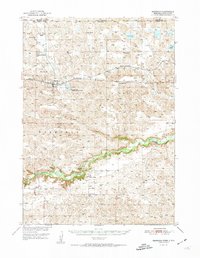 1951 Merriman1951 Print · USGSMerriman and the Cherry County ranchlands are captured here in the early fifties as the railroad and river defined local life. Genealogists and historians can trace family operations like Fairhead Ranch and locate rural landmarks such as Center Cem and School No 76.2 unique versions available
 - 1952 Map of Eli
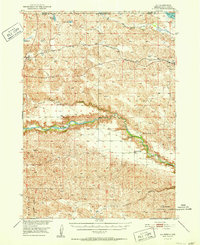 1952 Eli1952 Print · USGSThe Niobrara River valley and the surrounding Sand Hills of northern Nebraska are shown here in the early fifties. Local historians can trace the routes of the Chicago and North Western rail line and locate rural sites like Boiling Spring Sch and the Eli Cem.
 - 1955 Map of Hot Springs, 1958 Print
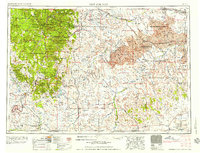 1955 Hot Springs1958 Print · USGSThe Black Hills and South Dakota badlands are captured here in the mid-fifties, during a peak of military and industrial activity. Researchers can locate the Black Hills Ordnance Depot, early Uranium Mines, and historic rail stops like Pringle or Oglala.5 unique versions available
 - 1955 Map of Alliance, 1966 Print
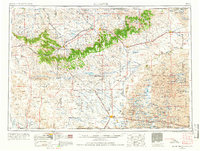 1955 Alliance1966 Print · USGSThe Nebraska panhandle comes into sharp focus during the mid-fifties, showing a landscape defined by the Niobrara River and the expanding Sand Hills. Researchers can trace the grounds of Fort Robinson, locate Saint Marys Church, or follow the Chicago Burlington and Quincy rail line through Hemingford.3 unique versions available
 - 1955 Map of Martin, 1968 Print
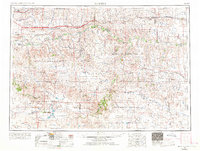 1955 Martin1968 Print · USGSTribal lands and rail corridors define the South Dakota plains in the mid-fifties, from the sand hills to the badlands. Genealogists and historians can trace the early layout of Pine Ridge Indian Reservation settlements and find small rail towns like Stamford and Witten.2 unique versions available
 - 1957 Map of Alliance
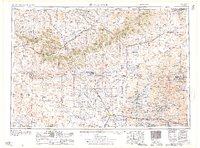 1957 Alliance1957 Print · USGSNorthwest Nebraska in the mid-fifties is captured here as a landscape of rail hubs, sprawling cattle ranches, and the eastern edge of the dunes. Genealogists and historians can trace rail lines through Alliance and Chadron or locate landmarks like Saint Marys Church and the Agate Spring Fossil Beds.
 - 1957 Map of Valentine, 1960 Print
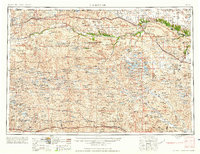 1957 Valentine1960 Print · USGSNorthern Nebraska's ranching country and the vast Sand Hills are detailed here in the late fifties. Genealogists and historians can locate numerous family-named landmarks like the Dahlgren Ranch and trace the path of the Chicago and North Western railroad through Valentine.3 unique versions available
 - 1958 Map of Martin
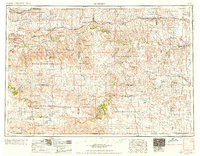 1958 Martin1958 Print · USGSSouth Dakota's southern plains are documented here in the late fifties, showing the expansive Pine Ridge and Rosebud Indian Reservations. Genealogists and historians can locate early settlements along the Chicago Milwaukee St Paul and Pacific line or find family roots near Martin and the Indian Cemetery.
 - 1958 Map of Alliance
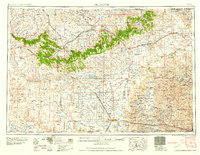 1958 Alliance1958 Print · USGSNorthwestern Nebraska in the late fifties shows a landscape shaped by the legacy of the high plains frontier and modern agricultural expansion. Genealogists and historians can trace rail-line settlements and landmarks like Fort Robinson and the Agate Spring Fossil Beds.
 - 1959 Map of Valentine
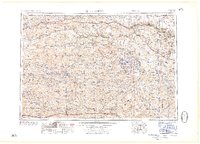 1959 Valentine1959 Print · USGSThe northern Nebraska Sand Hills are captured here in the late fifties, showcasing a vast ranching landscape shaped by the Niobrara and Loup rivers. Genealogists and historians can trace rail-town development along the Chicago and North Western and locate remote outposts like Brownlee or Kennedy.
 - 1969 Map of Norris, 1971 Print
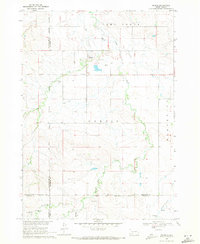 1969 Norris1971 Print · USGSMellette County and the Rosebud Indian Reservation come into focus during the late sixties as the community of Norris anchors this prairie landscape. Genealogists and local historians can trace family ties at Poor Thunder Cem, St Stephens Ch, and Red Leaf Cem along the Black Pipe Creek valley.
 - 1969 Map of Eagle Mans Butte, 1971 Print
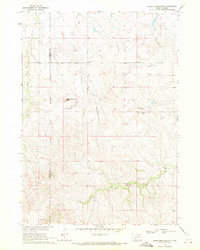 1969 Eagle Mans Butte1971 Print · USGSTodd County during the late sixties reveals a landscape of high plains and scattered reservation communities. Genealogists and historians can locate the He Dog Village (Historic Site) and several parish landmarks like St Patrick Ch and St Stephen Cem.
 - 1969 Map of Hog Island, 1972 Print
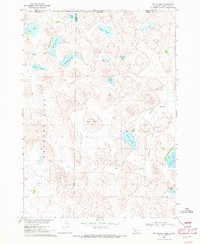 1969 Hog Island1972 Print · USGSThe Nebraska Sandhills at the South Dakota border are captured here in the late sixties, showing the vast network of lakes and marshes south of the Pine Ridge Indian Reservation Boundary. Researchers can trace the unique hydrology of Hog Island, Shell Lake, and the winding Meadow Horseshoe Ditch.
 - 1969 Map of Spring Creek SW, 1972 Print
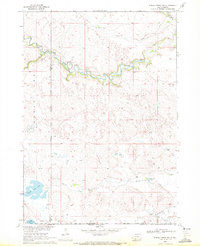 1969 Spring Creek SW1972 Print · USGSThe South Dakota and Nebraska borderlands come into focus in the late 1960s, showing a landscape defined by tribal boundaries and prairie waterways. Trace local history through family outposts like Barnes Ranch and landmarks like Cedar Lake and North Cody Lake.
 - 1969 Map of Iron Shell Flat West, 1972 Print
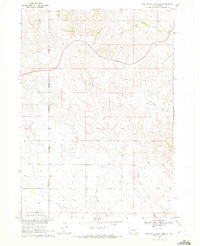 1969 Iron Shell Flat West1972 Print · USGSTodd and Bennett Counties, South Dakota, are captured here in the late sixties at the meeting point of two major tribal lands. Researchers can trace the reservation boundaries while locating St Marys Cem and water features like Meat Creek and Coffee Creek.
 - 1981 Map of Long Valley
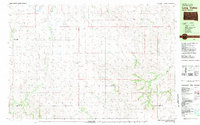 1981 Long Valley1981 Print · USGSWestern South Dakota's open range is captured here in the early eighties, showing the interface between Jackson County and the Pine Ridge Indian Reservation. Researchers can locate the Hawkwing Cemetery, the Rodeo Ground, and the small settlement of Long Valley.
 - 1981 Map of Wakpamani
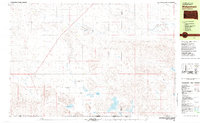 1981 Wakpamani1981 Print · USGSThe Pine Ridge Indian Reservation landscape is captured in the early 1980s, centered on the Wakpamani community. Researchers can trace local landmarks like St Andrew Chapel and family-named sites such as Feather-on-Head Cem.2 unique versions available
 - 1981 Map of Patricia
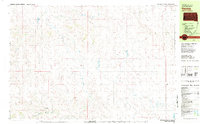 1981 Patricia1981 Print · USGSBennett County ranching and water rights come into focus in the early eighties as the prairie landscape is mapped in detail. Genealogists and local historians can trace family locations near Patricia, Black Eyes, and along the banks of Bear-in-the-Lodge Creek.
 - 1981 Map of Phantom Lake
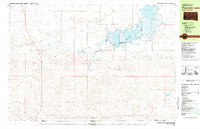 1981 Phantom Lake1981 Print · USGSBennett County, South Dakota, is captured here in the early 1980s as a vital conservation landscape on the Nebraska border. Researchers can trace remote sites like Grace Cem and Our Lady of the Lake Cem near the Lacreek National Wildlife Refuge.
 - 1981 Map of Martin
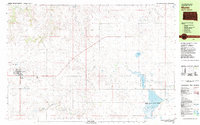 1981 Martin1981 Print · USGSThe town of Martin sits at the center of this High Plains landscape in the early eighties, where agriculture and conservation meet. Researchers can trace the local infrastructure from the High Sch and Cem to the waters of Deadmans Lake and the Lacreek National Wildlife Refuge.
 - 1981 Map of Allen
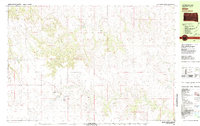 1981 Allen1981 Print · USGSBennett County in the early eighties reveals a sparse ranching and creek-side landscape focused on the community of Allen. Researchers can find numerous family-named landmarks and rural burial sites including Red Bear Cem, Plenty Bears, and Peyote Cem.
 - 1981 Map of Blackpipe
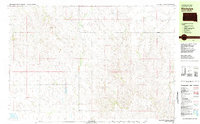 1981 Blackpipe1981 Print · USGSBennett County ranchlands and creek beds appear in great detail during the early eighties. Researchers can trace the rural layout of the Blackpipe area, identifying local landmarks like the Pleasant Valley Sch and the waters of Pass Creek.
Showing maps 1-25 of 188
Top cities near Martin
Top neighborhoods of Martin
- Tuthill historical maps
- Bad Wound historical maps
- Black Eyes historical maps
- Blackpipe historical maps
- Patricia historical maps
- Harrington historical maps
See more
Frequently asked questions
- What are the different types of historical maps available for Martin?
- What is the oldest map of Martin?
- Where can I purchase historical maps of Martin for my home or office?
- Where can I download high-res historical maps of Martin?
- Are there historical topographic maps available for Martin?
- Is there historical aerial imagery available for Martin?
- Where are historical maps of Martin sourced from?