Old Maps of Charles Mix County, South Dakota
Explore 190 old maps of Charles Mix County, spanning from 1950 to today. These high-resolution historic maps reveal how streets, neighborhoods, landmarks, and natural features evolved over time — perfect for genealogy, metal detecting, research, and local history exploration.
What you can do with these maps:
- See how Charles Mix County changed over time: Compare historical maps to modern-day views to trace roads, homesites, rail lines & more.
- View detailed metadata: Each map includes creators, publishers, year, scale, and archive source.
- Overlay maps with satellite & LiDAR: Visualize the past alongside modern tools to explore terrain & human change.
- Trusted historical sources: Maps sourced from the USGS, Library of Congress, and other archives.
- Access maps your way: View online, download high-res files, or order prints for personal or research use.
Start exploring old maps of Charles Mix County to uncover forgotten places, hidden landmarks, and the deep history beneath your feet.
Charles Mix County, SD maps
(190)- 1950 Map of Niobrara, 1952 Print
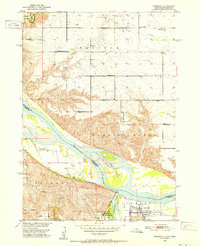 1950 Niobrara1952 Print · USGSThe Missouri and Niobrara rivers converge here in the mid-twentieth century, just as the town of Niobrara prepared for major changes. Genealogists can locate many rural landmarks including Norwegian Cem, Wagner Sch, and the Chicago and North Western rail line.2 unique versions available
 - 1950 Map of Verdel, 1952 Print
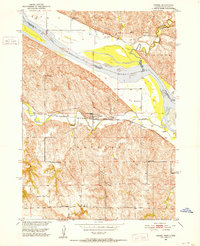 1950 Verdel1952 Print · USGSThe Missouri River borderlands of Knox County come to life in this mid-century survey of the Verdel area. Local historians can trace the paths of the Chicago and North Western railroad and locate rural landmarks like Clay Hill Sch or Cedar Hill Cem.4 unique versions available
 - 1950 Map of Monowi, 1973 Print
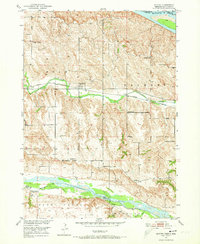 1950 Monowi1973 Print · USGSNortheastern Nebraska is captured in the mid-1950s at the meeting of the Missouri River and Niobrara River. Genealogists and local historians can locate family sites among numerous rural landmarks like Alford Cem, Monowi, and Masdon Sch.
 - 1952 Map of Monowi
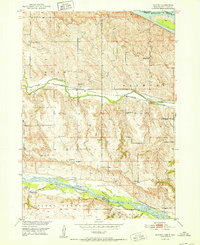 1952 Monowi1952 Print · USGSThe village of Monowi and the surrounding Nebraska-South Dakota borderlands are captured here in the early 1950s. Genealogists can trace family roots through numerous rural landmarks like Beulah Cem, Pleasant Hill Sch, and the Verdel Sch.2 unique versions available
 - 1955 Map of Mitchell, 1973 Print
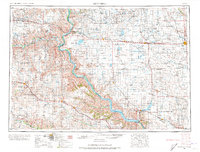 1955 Mitchell1973 Print · USGSThe Missouri River valley undergoes a massive transformation in the mid-1950s as the Fort Randall Dam creates Lake Francis Case. You can trace the rail lines of the Chicago Milwaukee St Paul and Pacific through Mitchell or locate local landmarks like Butler Town Hall.2 unique versions available
 - 1955 Map of O'Neill, 1974 Print
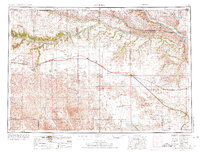 1955 O'Neill1974 Print · USGSNorth-central Nebraska in the 1950s reveals a vast cattle-ranching landscape transitioning from the Missouri River breaks to the iconic Sand Hills. Researchers can trace the path of the Chicago and North Western rail line and locate rural landmarks like the Dustin Post Office and St Johns Lake Ch.2 unique versions available
 - 1959 Map of O'Neill
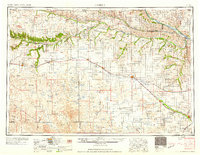 1959 O'Neill1959 Print · USGSNorth-central Nebraska in the late fifties is defined by the vast Sand Hills and the vital Chicago and North Western rail line. Genealogists and researchers can trace family roots through settlements like Atkinson, Bassett, and Stuart or follow the waters of the Niobrara River.2 unique versions available
 - 1959 Map of Mitchell
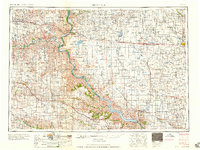 1959 Mitchell1959 Print · USGSSouth Dakota’s river and rail corridors come alive in the late fifties as the Missouri River valley undergoes dramatic change. Genealogists and historians can trace family roots through numerous small towns and schools such as Academy, Stickney, and Gregory.2 unique versions available
 - 1964 Map of Wagner NE, 1965 Print
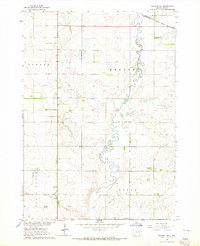 1964 Wagner NE1965 Print · USGSPrairie townships north of Wagner are captured in the mid-1960s, showing a landscape defined by Choteau Creek and the Yankton Indian Res Bdy. Genealogists can trace family locations near East Lake Andes Ch Cem and School No 2.
 - 1964 Map of Ravinia, 1965 Print
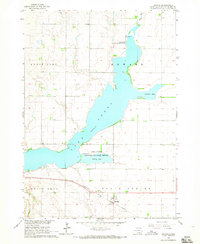 1964 Ravinia1965 Print · USGSRavinia and the expansive shoreline of Lake Andes are shown during the mid-1960s as part of the Missouri River Basin development. Genealogists and researchers can trace local landmarks like West Sch, the Ravinia townsite, and the Chicago Milwaukee St Paul and Pacific railroad.2 unique versions available
 - 1964 Map of Campbell Creek, 1965 Print
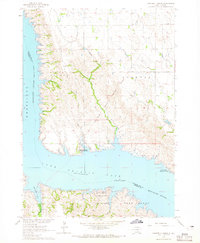 1964 Campbell Creek1965 Print · USGSThe Missouri River valley in the early 1960s shows a landscape reshaped by the Missouri River Basin development program and the creation of the Fort Randall reservoir. Genealogists and local historians can trace legacy land divisions along the Fort Randall Military Reservation Boundary and find early recreation sites like Pease Creek Recreation Area.
 - 1964 Map of Whetstone Bay, 1965 Print
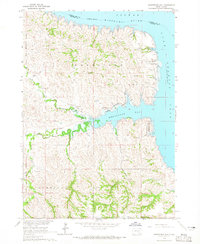 1964 Whetstone Bay1965 Print · USGSThe Missouri River breaks of Gregory County are captured here in the mid-1960s following the creation of the Fort Randall Reservoir. Researchers can trace the Rosebud Indian Reservation Boundary and locate landmarks like Mulehead Ranch and the Whetstone Bay Recreation Area.
 - 1964 Map of Lake Andes NW, 1965 Print
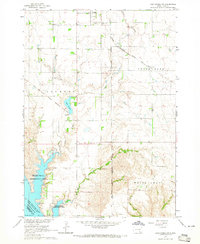 1964 Lake Andes NW1965 Print · USGSCharles Mix County is captured in the mid-sixties as the Missouri River reservoir system transforms the landscape. Genealogists and historians can trace the Old Fort Randall Military Road and locate family sites near St Anns Cem and Geddes.2 unique versions available
 - 1964 Map of Fort Randall Dam, 1965 Print
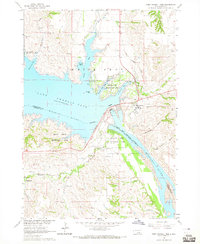 1964 Fort Randall Dam1965 Print · USGSThe Missouri River and Lake Francis Case are captured here during the mid-sixties, highlighting the newly completed dam and the town of Pickstown. Researchers can locate the Fort Randall Historic Site, Old Fort Randall Cem, and the St Francis Ch.
 - 1964 Map of Lake Andes SW, 1965 Print
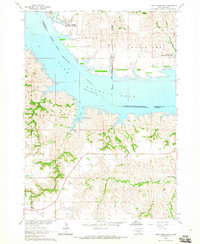 1964 Lake Andes SW1965 Print · USGSThe Missouri River valley appears here in the mid-1960s as a newly formed reservoir landscape following the Fort Randall Dam project. Researchers can trace the sprawling Lake Francis Case and identify critical land divisions like the Yankton Indian Reservation Boundary and the historic Fort Randall grounds.
 - 1964 Map of Lake Andes, 1965 Print
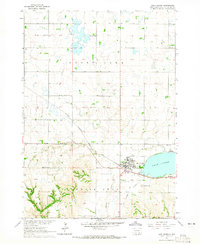 1964 Lake Andes1965 Print · USGSCharles Mix County's prairie landscape is captured here in the mid-1960s, centered on the growing town of Lake Andes. Genealogists and local historians can locate rural landmarks like St Phillips Ch, School No 25, and the Lake View Cem.2 unique versions available
 - 1964 Map of Wagner, 1966 Print
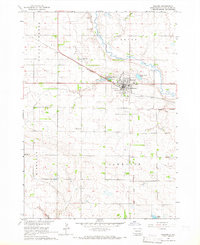 1964 Wagner1966 Print · USGSCharles Mix County agricultural life and the city of Wagner are captured here in the mid-sixties. Local researchers can trace the Old Indian Treaty Boundary and locate numerous rural landmarks like St Johns Cem and School No 51.2 unique versions available
 - 1964 Map of Lynch NE, 1966 Print
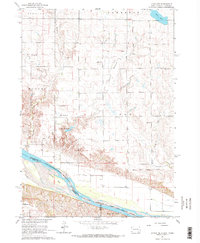 1964 Lynch NE1966 Print · USGSThe Missouri River borderlands in the mid-1960s reveal a landscape of prairie schools and treaty boundaries. Genealogists can locate family landmarks like the Native American Ch or trace old rural districts such as School No 64 and School No 80.2 unique versions available
 - 1964 Map of Wagner SW, 1966 Print
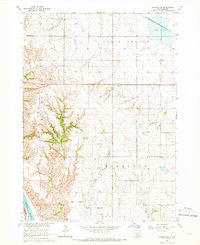 1964 Wagner SW1966 Print · USGSThe Missouri River breaks and upland plains of Charles Mix County are captured here in the mid-sixties, showing the rural homesteads and treaty lines of the day. Researchers can trace the Old Indian Treaty Boundary and locate historic rural hubs like St Catherine Ch and School No 32.
 - 1964 Map of Marty, 1966 Print
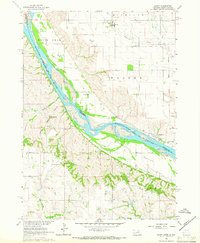 1964 Marty1966 Print · USGSThe Missouri River borderlands of South Dakota and Nebraska are captured here in the mid-sixties, showcasing a landscape shaped by tribal lands and military history. Genealogists can trace family footprints through the Old Yankton Indian Res Bdy, St Pauls Cem, and several rural schools like School No 83.2 unique versions available
 - 1969 Map of O'Neill
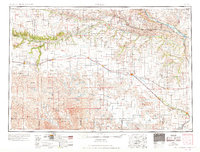 1969 O'Neill1969 Print · USGSCentral Nebraska in the mid-fifties is defined here by the expansive Sand Hills and the winding Niobrara River. Trace the Chicago and North Western rail line through cattle towns like O'Neill and Ainsworth.
 - 1971 Map of Lucas NW, 1974 Print
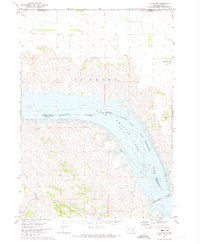 1971 Lucas NW1974 Print · USGSThe Missouri River breaks and the waters of Lake Francis Case define this South Dakota landscape in the early seventies. Genealogists and historians can locate Platte Colony and trace the original path of Rush Creek toward the Platte Winner Bridge.
 - 1971 Map of Academy, 1974 Print
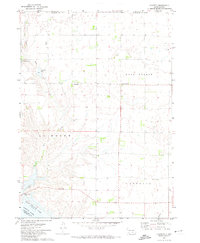 1971 Academy1974 Print · USGSThe South Dakota prairie meets the Missouri River in the early seventies, capturing the rural character of Charles Mix County. Genealogists and local historians can trace family roots through sites like Platte Colony, Academy, and the La Roche Cem.
 - 1971 Map of Dixon NE, 1974 Print
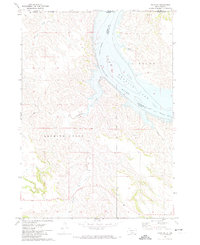 1971 Dixon NE1974 Print · USGSThe Missouri River breaks of Gregory and Lyman counties are captured here in the early seventies, detailing the newly formed Lake Francis Case. Researchers can trace the Rosebud Indian Reservation Boundary and locate landmarks like Berry Spring and Landing Creek.
 - 1971 Map of Lucas SE, 1974 Print
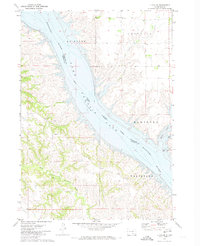 1971 Lucas SE1974 Print · USGSThe Missouri River breaks into the reservoir of Lake Francis Case during the early seventies, defining the border of the Rosebud Indian Reservation. Local history researchers can locate Trinity Ch, a hilltop Cem, and drainage points like Whetstone Creek.
Showing maps 1-25 of 190
Top cities of Charles Mix County
Frequently asked questions
- What are the different types of historical maps available for Charles Mix County?
- What is the oldest map of Charles Mix County?
- Where can I purchase historical maps of Charles Mix County for my home or office?
- Where can I download high-res historical maps of Charles Mix County?
- Are there historical topographic maps available for Charles Mix County?
- Is there historical aerial imagery available for Charles Mix County?
- Where are historical maps of Charles Mix County sourced from?