Old Maps of Jackson County, South Dakota for Hiking & Exploration
Hike through history with 228 historic maps of Jackson County. Explore old trails, ghost towns, and forgotten backroads — perfect for outdoor adventurers and local explorers.
- Rediscover forgotten places: Map out old mining camps, roads, and footpaths that no longer exist on modern maps.
- Layer with modern tools: Combine with LiDAR or satellite views to plan hikes through historical terrain.
- Made for exploration: Popular among hikers, overlanders, and local history lovers.
Use these maps to find adventure and explore the hidden past of Jackson County.
Jackson County, SD maps
(228)- 1950 Map of Conata
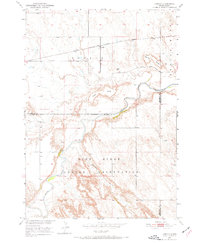 1950 Conata1950 Print · USGSThe Pine Ridge Indian Reservation and the northern prairies meet here in the early fifties. Genealogists and historians can trace the Chicago Milwaukee St Paul and Pacific rail line through Conata and locate an early Oil Well.2 unique versions available
 - 1950 Map of Interior, 1952 Print
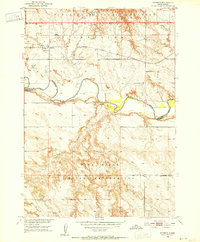 1950 Interior1952 Print · USGSJackson County ranching and rail activity are captured here at mid-century, where the Chicago Milwaukee St Paul and Pacific tracks meet the White River. Trace the era's rural landscape through the location of the Lone Tree Sch. and early Badlands National Monument park features.2 unique versions available
 - 1950 Map of Interior SE, 1952 Print
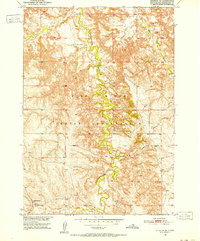 1950 Interior SE1952 Print · USGSThe Pine Ridge landscape of the early fifties is defined here by the intricate breaks and drainages of the South Dakota badlands. Researchers can trace the winding Bear-in-the-Lodge Creek to find the isolated Headlee Ranch and Garner Sch.3 unique versions available
 - 1950 Map of Conata SW, 1952 Print
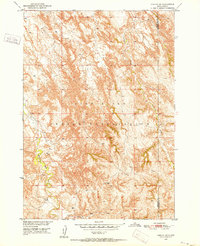 1950 Conata SW1952 Print · USGSThe Pine Ridge Indian Reservation landscape is captured here in the mid-century, before significant modern alterations. Researchers can trace the intricate drainage of Redwater Creek and Medicine Root Creek across the Shannon and Washabaugh county lines.2 unique versions available
 - 1950 Map of Potato Creek, 1952 Print
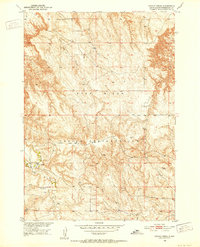 1950 Potato Creek1952 Print · USGSThe Pine Ridge Indian Reservation in the early fifties shows a landscape of rural schools and winding creek beds. Researchers can trace local history through features like the Bull Cem, Rock Springs Sch, and the small settlement of Potato Creek.2 unique versions available
 - 1950 Map of Wanblee, 1952 Print
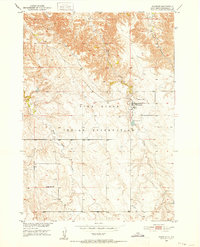 1950 Wanblee1952 Print · USGSWanblee and the surrounding tribal lands are documented in the early fifties, showing the settlement and rural school system of the day. Genealogists and researchers can locate family sites near Gethsemane Cem, St Ignatius Cem, and Eagle Nest Sch.3 unique versions available
 - 1950 Map of Weta, 1952 Print
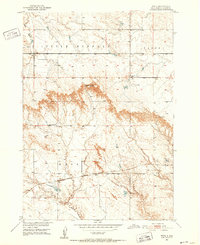 1950 Weta1952 Print · USGSJackson County ranching and rail life are captured here during the mid-century, showing the isolated communities along the plains. Genealogists and historians can trace the Milwaukee Road through Weta and locate the Peterson Ranch.2 unique versions available
 - 1951 Map of Wanblee NW
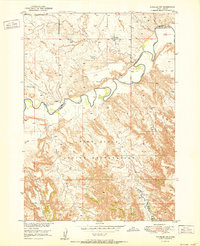 1951 Wanblee NW1951 Print · USGSThe Pine Ridge region of South Dakota is captured here in the early fifties, documenting the winding White River and the rural infrastructure of the era. Genealogists and researchers can trace local landmarks like Weta Sch and a river Ford near the historic Washabaugh Co line.3 unique versions available
 - 1951 Map of School Section Butte
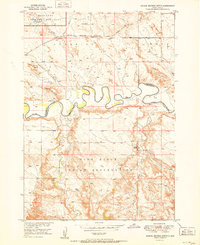 1951 School Section Butte1951 Print · USGSThe northern edge of the Oglala Lakota lands meets the river-cut badlands in the early fifties. Genealogists and historians can locate the Craven Ranch and trace the winding White River between School Section Butte and the Pine Ridge Indian Reservation.2 unique versions available
 - 1951 Map of Pass Creek NW, 1952 Print
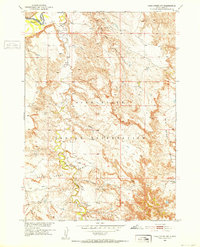 1951 Pass Creek NW1952 Print · USGSJackson County ranchlands and the northern border of the Pine Ridge Indian Reservation are documented here in the early fifties. Genealogists and land historians can locate isolated homesteads like Pettijohn Ranch and Rock Ranch along the banks of Pass Creek.2 unique versions available
 - 1951 Map of Stamford SW, 1952 Print
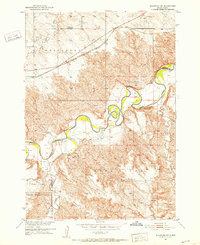 1951 Stamford SW1952 Print · USGSSouth Dakota's river breaks and high plateaus are captured here in the early fifties, showing the rural landscape south of the Milwaukee Road. Genealogists and local historians can locate Valley Sch (Abandoned), Six School, and the winding course of the White River.3 unique versions available
 - 1951 Map of Belvidere, 1952 Print
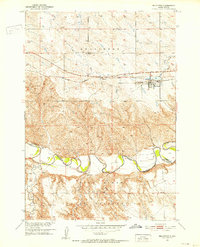 1951 Belvidere1952 Print · USGSIn the early 1950s, this area of South Dakota shows a landscape centered on the Chicago Milwaukee St Paul and Pacific rail line. Researchers can trace the White River Reservation Boundary and locate local sites like Willert Sch and the Belvidere Cem.2 unique versions available
 - 1951 Map of Kadoka, 1952 Print
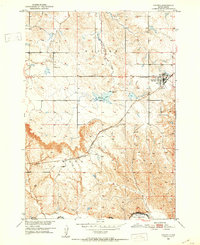 1951 Kadoka1952 Print · USGSKadoka stood as a vital prairie crossroads in the early fifties, where the railroad and regional highways met the edge of the reservation. Genealogists can trace family landmarks like Franklin Sch, the local Cem, and the tracks of the Chicago Milwaukee St Paul and Pacific.2 unique versions available
 - 1951 Map of Belvidere SW, 1952 Print
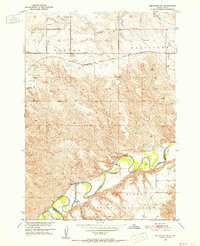 1951 Belvidere SW1952 Print · USGSThe White River country of Jackson and Washabaugh Counties is shown here in the early fifties, where the White River meets the Pine Ridge Indian Reservation. Researchers can trace old family holdings like Word Ranch and rural landmarks such as Flat Top Sch and the Landing Field.2 unique versions available
 - 1951 Map of Stamford SE, 1953 Print
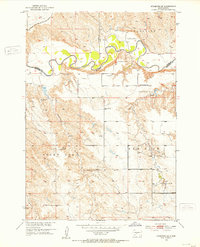 1951 Stamford SE1953 Print · USGSMellette County ranching country is documented here in the early fifties, where the winding White River separates high plateaus. Researchers can locate family landmarks like the Bear Heels Ranch and rural centers such as St James Ch and the Big White River Sch.3 unique versions available
 - 1951 Map of Cedar Butte NW, 1953 Print
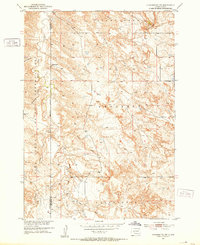 1951 Cedar Butte NW1953 Print · USGSNative American ranching and early community life in Mellette County come into focus during the early fifties. Genealogists and historians can trace family locations at Walker Ranch and the Church Creek Ch Cem near the Black Pipe Creek crossing.2 unique versions available
 - 1951 Map of Wanblee NE, 1953 Print
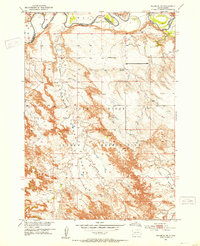 1951 Wanblee NE1953 Print · USGSThe Pine Ridge Indian Reservation landscape is captured here in the early fifties, showing the rugged breaks south of the White River. Researchers can trace old rural infrastructure like the Wells Sch (Abandoned) and landmarks such as Kodak Point and the Pass Creek Basin.3 unique versions available
 - 1951 Map of Pass Creek NE, 1953 Print
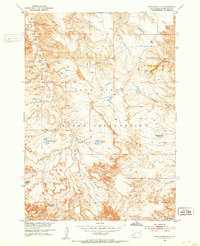 1951 Pass Creek NE1953 Print · USGSThe Pine Ridge Indian Reservation is shown in the early 1950s, highlighting the transition between the high flats and the broken basins. Researchers can trace the rugged drainage of Red Stone Basin and locate early stock water sources like Red Rock Pond and Corral Pond.
 - 1952 Map of Conata NE
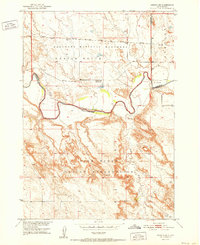 1952 Conata NE1952 Print · USGSThe South Dakota badlands and the Pine Ridge Indian Reservation meet along the river in the early fifties. Researchers can trace the path of the Chicago Milwaukee St Paul and Pacific rail and locate the Hurley Sch (Abandoned).2 unique versions available
 - 1952 Map of Conata SE
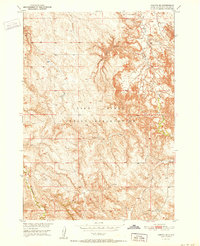 1952 Conata SE1952 Print · USGSThe Pine Ridge Indian Reservation is documented here in the early fifties, showing the intricate drainages of the Missouri River Basin. Family historians can trace the Native American Cem and landmarks like Potato Creek or the local Windmill.2 unique versions available
 - 1952 Map of Conata
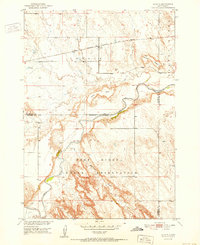 1952 Conata1952 Print · USGSThe northern edge of the Oglala Lakota lands meets the rail-line economy of the early fifties, centered on the Milwaukee Road. Researchers can trace the winding White River through the Pine Ridge Indian Reservation past Conata and Hurley Butte.
 - 1953 Map of Belvidere NE, 1955 Print
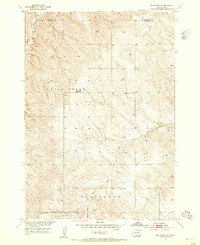 1953 Belvidere NE1955 Print · USGSThe ranching country of western South Dakota is captured here during the mid-fifties Missouri River Basin development program. Genealogists can locate rural school sites like Highland Center Sch and the Harris Sch (Abandoned) along the banks of Indian Creek.2 unique versions available
 - 1953 Map of Philip Junction, 1955 Print
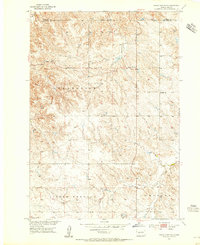 1953 Philip Junction1955 Print · USGSJackson and Haakon Counties during the early 1950s show a spare rangeland landscape at the height of the Missouri River Basin development program. Researchers can trace the rural infrastructure of the day, including Philip Junction, the isolated Schimke Sch, and the courses of Brady Creek.2 unique versions available
 - 1954 Map of Belvidere NW, 1955 Print
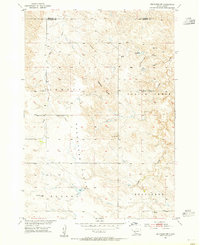 1954 Belvidere NW1955 Print · USGSMid-century ranching life in Jackson County is visible here through its network of remote prairie schools and water landmarks. Researchers can trace local history at the South Creek Ch, the West Indian Creek Sch, and the Bachin Dam.
 - 1954 Map of Kadoka NE, 1955 Print
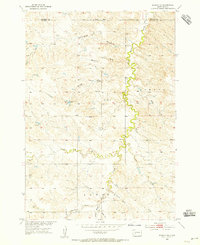 1954 Kadoka NE1955 Print · USGSJackson and Haakon counties come into focus in the mid-fifties, showing a landscape defined by the winding White Willow Creek and isolated ranching life. Researchers can locate family landmarks like Brady Sch and vital water sources such as Hockel Dam and Neiderworder Dam.
Showing maps 1-25 of 228
Top cities of Jackson County
- Kadoka historical maps
- Interior historical maps
- Belvidere historical maps
- Weta historical maps
- Cottonwood historical maps
Frequently asked questions
- What are the different types of historical maps available for Jackson County?
- What is the oldest map of Jackson County?
- Where can I purchase historical maps of Jackson County for my home or office?
- Where can I download high-res historical maps of Jackson County?
- Are there historical topographic maps available for Jackson County?
- Is there historical aerial imagery available for Jackson County?
- Where are historical maps of Jackson County sourced from?