Old Maps of Tullahoma, Tennessee for Hiking & Exploration
Hike through history with 47 historic maps of Tullahoma. Explore old trails, ghost towns, and forgotten backroads — perfect for outdoor adventurers and local explorers.
- Rediscover forgotten places: Map out old mining camps, roads, and footpaths that no longer exist on modern maps.
- Layer with modern tools: Combine with LiDAR or satellite views to plan hikes through historical terrain.
- Made for exploration: Popular among hikers, overlanders, and local history lovers.
Use these maps to find adventure and explore the hidden past of Tullahoma.
Tullahoma, TN maps
(47)- 1936 Map of Ovoca
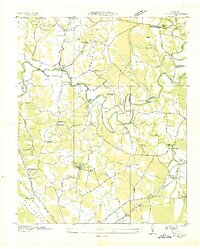 1936 Ovoca1936 Print · USGSCoffee County's rural landscape is captured here in the mid-1930s as the Tennessee Valley Authority mapped the region's complex river systems. Genealogists can locate family landmarks such as the Ovoca Orphans Home, the Holland Hill Cem, and numerous Duck River crossings like Richardson Ford.
 - 1936 Map of Manchester
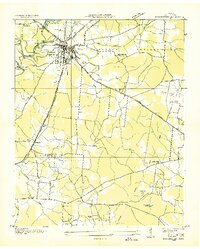 1936 Manchester1936 Print · USGSCoffee County during the mid-1930s shows a landscape of river-fed industry and deep history near the Old Stone Fort. Genealogists can trace family names at Hickerson Cem or locate rural landmarks like Logan Chapel Sch and Belmont.
 - 1936 Map of Cumberland Springs
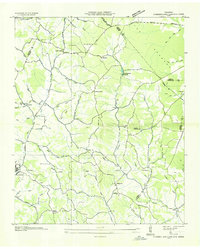 1936 Cumberland Springs1936 Print · USGSMoore County and Lynchburg are captured in the mid-1930s as a land of narrow hollows and high ridges. Researchers can trace the early layout of Lynchburg and find community centers like Raysville Sch, Smith Chapel, and Cumberland Springs.
 - 1936 Map of Camp Peay
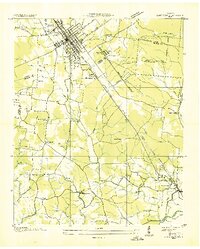 1936 Camp Peay1936 Print · USGSIn the mid-1930s, the area around Tullahoma and Estill Springs was a hub of military and rail activity. Genealogists and historians can trace the National Guard Reservation at Camp Peay, family burial sites like Maplewood Cem, and local landmarks including the Girls Vocational Sch.
 - 1936 Map of Normandy
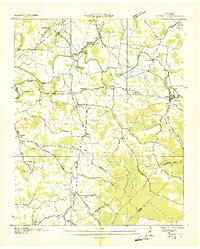 1936 Normandy1936 Print · USGSBedford and Moore counties come to life in the 1930s as the rail-and-river economy centers on the town of Normandy. Genealogists and historians can trace family locations at Bugscuffle, locate Jenkins Sch, or find industrial landmarks like Cortners Mill.
 - 1941 Map of Ovoca, 1943 Print
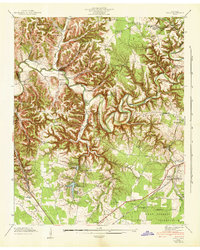 1941 Ovoca1943 Print · USGSCoffee County in the early 1940s reflects a rural landscape undergoing rapid change as the military expanded its footprint. Genealogists can locate family-named crossings like Richardson Ford and local landmarks such as the Ovoca Orphans Home or Hickerson Station.2 unique versions available
 - 1941 Map of Cumberland Springs, 1943 Print
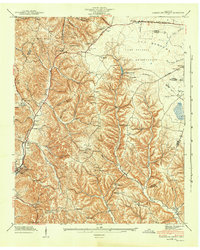 1941 Cumberland Springs1943 Print · USGSMoore County and the Highland Rim are captured in the early 1940s, just as the nearby military expansion began to transform the local landscape. Genealogists can trace family footprints through community sites like Lynchburg, Bakertown, and Hickory Hill Sch.5 unique versions available
 - 1941 Map of Camp Forrest, 1943 Print
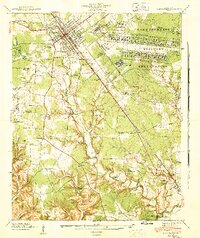 1941 Camp Forrest1943 Print · USGSThe Tennessee mobilization of the early 1940s is on full display as the Camp Forrest Military Reservation rises near Tullahoma. Genealogists and historians can trace family-named sites like Holt Cem and Pylant Springs before the landscape was fully altered by military expansion.2 unique versions available
 - 1941 Map of Manchester, 1943 Print
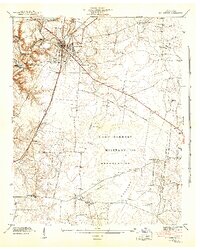 1941 Manchester1943 Print · USGSCoffee County is captured during a period of massive change as the military arrives in the early 1940s. Genealogists and historians can trace the rural landscape before the base expansion, locating family landmarks like Hickerson Cem, Old Stone Fort, and Seminary Hill Sch.3 unique versions available
 - 1943 Map of Mc Minnville, 1944 Print
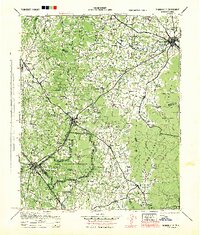 1943 Mc Minnville1944 Print · USGSMid-Tennessee is captured here during the mobilization of the early 1940s, showing the vast Camp Forrest Military Reservation and thriving rail towns. Trace the N C & ST L line through Mcminnville or locate smaller rural hubs like Morrison and Hickerson Station.
 - 1944 Map of Shelbyville
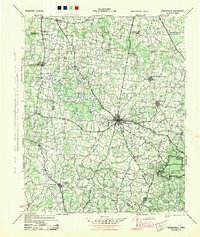 1944 Shelbyville1944 Print · USGSMid-century Middle Tennessee is captured here during the wartime mobilization of the 1940s. Genealogists and researchers can trace family lands near Bugscuffle, Shelbyville Mills, and the expansive Camp Forrest Military Res.
 - 1947 Map of Normandy, 1948 Print
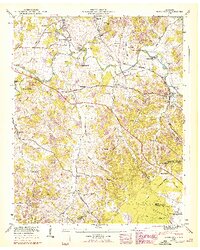 1947 Normandy1948 Print · USGSBedford and Moore Counties are captured here shortly after the war, when the Duck River still powered local industry. Genealogists can trace family names across Cortner Cem and Ledfords Mill or locate rural landmarks like Shoffner Ch.7 unique versions available
 - 1956 Map of Columbia, 1960 Print
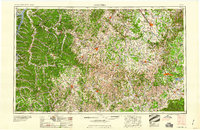 1956 Columbia1960 Print · USGSMiddle Tennessee in the mid-fifties presents a landscape of established river towns and critical rail hubs before the arrival of the modern interstate system. Researchers can trace the routes of the Louisville and Nashville railroad or locate historic landmarks like Stones River National Military Park and the Tennessee National Wildlife Refuge.6 unique versions available
 - 1962 Map of Ovoca, 1965 Print
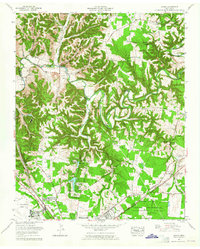 1962 Ovoca1965 Print · USGSCoffee County underwent significant changes in the 1960s as aerospace engineering met traditional Tennessee hill country. Researchers can trace the development of Tullahoma and the Arnold Engineering Development Center alongside old landmarks like Blanton Chapel and Hickerson Station.
 - 1962 Map of Tullahoma, 1965 Print
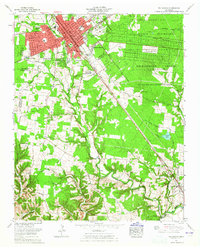 1962 Tullahoma1965 Print · USGSTullahoma and Estill Springs are captured in the early sixties during a period of significant military and aerospace activity. Researchers can trace the sprawling Arnold Engineering Development Center or find family landmarks like Oakwood Cem and East Lincoln Sch.
 - 1963 Map of Manchester, 1965 Print
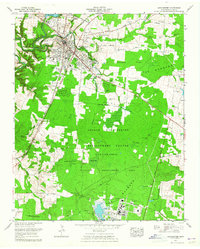 1963 Manchester1965 Print · USGSManchester and central Tennessee appear in the early sixties as a mix of ancient landmarks and modern aerospace research. Trace the development of the Arnold Engineering Development Center alongside historic sites like the Old Stone Fort and Red Hill Ch.
 - 1972 Map of Ovoca, 1973 Print
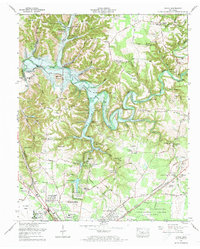 1972 Ovoca1973 Print · USGSTullahoma and the Duck River valley are captured here in the early seventies during the construction of the Normandy Dam. Genealogists and local historians can trace rural family sites like Hickerson Cemetery and the Fourth Model Community Center alongside the growing Tullahoma city limits.2 unique versions available
 - 1972 Map of Tullahoma, 1973 Print
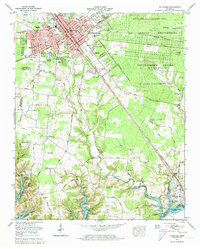 1972 Tullahoma1973 Print · USGSTullahoma and Estill Springs are captured here during the early seventies as the region balanced its railroad heritage with the growing aerospace presence of the Arnold Engineering Development Center. Local historians can trace the rising waters of Tims Ford Lake and locate old family burial sites like Gault Cem and Lasater Cem.5 unique versions available
 - 1972 Map of Manchester, 1974 Print
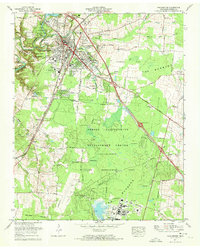 1972 Manchester1974 Print · USGSManchester and its surrounding Coffee County highlands are captured in the early seventies, just before the landscape changed with the damming of the river. Researchers can trace family sites like Granny Hickerson Cem, explore the prehistoric Old Stone Fort State Park, or locate the extensive Arnold Engineering Development Center.4 unique versions available
 - 1976 Map of Normandy Lake, 1977 Print
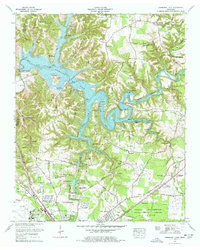 1976 Normandy Lake1977 Print · USGSIn the mid-1970s, the newly formed Normandy Lake reshaped the Coffee County landscape near Tullahoma. Genealogists and local historians can trace family cemeteries like Huffman Cem and Blanton Cem alongside historic routes like the Old Stage Road.4 unique versions available
 - 1978 Map of Lynchburg East
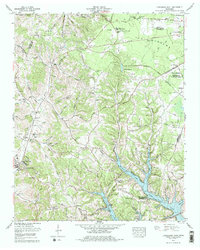 1978 Lynchburg East1978 Print · USGSMoore County in the late seventies is captured here at the intersection of rural heritage and modern development. Researchers can trace numerous family cemeteries such as Sawyer Cem and Bobo Cem or explore the early footprint of Motlow State Community College.
 - 1981 Map of Tullahoma, 1982 Print
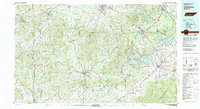 1981 Tullahoma1982 Print · USGSSouthern Tennessee enters the 1980s with a mix of aerospace technology and deep rural roots. Researchers can trace the L & N RR through Shelbyville and Fayetteville or locate family sites like Old Salem Cem and Blanton Chapel near the Cumberland Plateau.
 - 2010 Map of Lynchburg East, 2010 Print
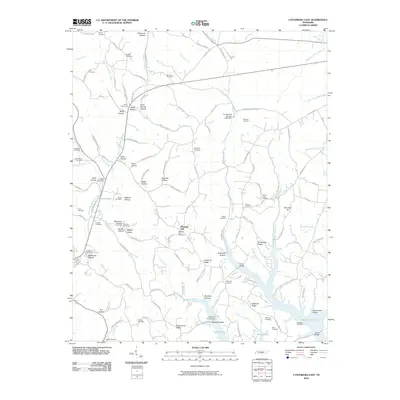 2010 Lynchburg East2010 Print · USGSThe hill country south of Tullahoma is mapped here in the early twenty-first century, showing the intricate ridges and hollows that drain into Murray Lake. Genealogists can locate over twenty burial sites, including the County Line Cemetery, Pioneer Cemetery, and Old Bethel Cemetery.
 - 2010 Map of Normandy, 2010 Print
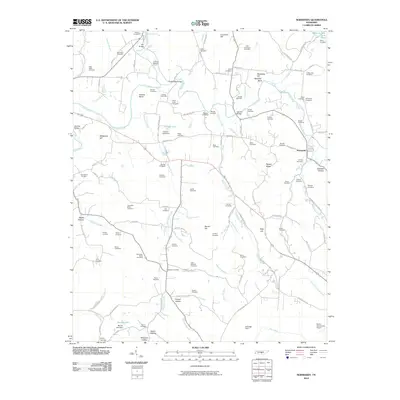 2010 Normandy2010 Print · USGSThe Tennessee countryside around Normandy is captured here in the early twenty-first century, centered on the winding Duck River. Researchers can trace dozens of family burial sites like Kimzey Cemetery and Shofner Cemetery, or locate landmarks such as Saltpeter Bluff and Cortner Lake.
 - 2010 Map of Tullahoma, 2010 Print
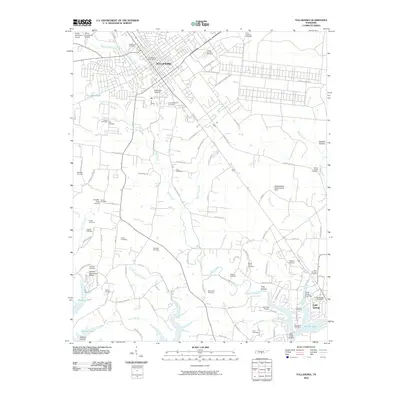 2010 Tullahoma2010 Print · USGSTullahoma and Estill Springs are captured in the early twenty-first century, showcasing a transition from rural farmland to expanding municipal centers. Researchers can locate dozens of burial grounds like Camp Forrest Cemetery and Mount Olivet Cemetery or trace the inlets of Murray Lake.
Showing maps 1-25 of 47
Top cities near Tullahoma
- Shelbyville historical maps
- Manchester historical maps
- Winchester historical maps
- Estill Springs historical maps
- Decherd historical maps
- Cowan historical maps
See more
Top neighborhoods of Tullahoma
- Johnstown historical maps
- Kaywood historical maps
- Oak Park historical maps
- Sharondale historical maps
- Westside Heights historical maps
- Forrest Park historical maps
See more
Frequently asked questions
- What are the different types of historical maps available for Tullahoma?
- What is the oldest map of Tullahoma?
- Where can I purchase historical maps of Tullahoma for my home or office?
- Where can I download high-res historical maps of Tullahoma?
- Are there historical topographic maps available for Tullahoma?
- Is there historical aerial imagery available for Tullahoma?
- Where are historical maps of Tullahoma sourced from?