Old Maps of Williamson County, Tennessee for Hiking & Exploration
Hike through history with 160 historic maps of Williamson County. Explore old trails, ghost towns, and forgotten backroads — perfect for outdoor adventurers and local explorers.
- Rediscover forgotten places: Map out old mining camps, roads, and footpaths that no longer exist on modern maps.
- Layer with modern tools: Combine with LiDAR or satellite views to plan hikes through historical terrain.
- Made for exploration: Popular among hikers, overlanders, and local history lovers.
Use these maps to find adventure and explore the hidden past of Williamson County.
Williamson County, TN maps
(160)- 1901 Map of Colombia
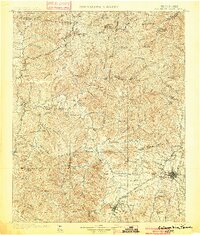 1901 Colombia1901 Print · USGSMiddle Tennessee at the close of the century reveals a landscape shaped by river bends and a dense network of turnpikes. Genealogists can trace family roots through settlements like Santa Fe and Warner or locate landmarks such as the U.S. Arsenal and Zion Ch.3 unique versions available
 - 1903 Map of Nashville
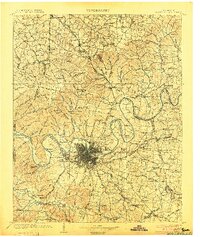 1903 Nashville1903 Print · USGSTennessee's capital region is captured at the dawn of the 1900s, when iron pikes and river locks dominated local commerce. Trace ancestral routes along Stewarts Ferry Pike, find rural landmarks like Curry Mill, or locate historical sites like The Hermitage.4 unique versions available
 - 1909 Map of Franklin
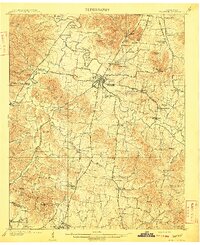 1909 Franklin1909 Print · USGSWilliamson County at the start of the twentieth century remains a landscape of historic pikes and rail-side villages. Genealogists can locate family homesteads near landmarks like Thompsons Station, Leipers Fork, and the Boiling Spring Academy.2 unique versions available
 - 1930 Map of White Bluff, 1953 Print
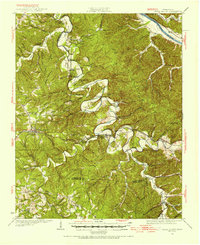 1930 White Bluff1953 Print · USGSMiddle Tennessee in the 1930s is defined by the serpentine bends of the Harpeth River and the steam-era dominance of the Nashville Chattanooga and St Louis RR. Genealogists and historians can locate vanished country schools like Opossum Sch and trace early road networks including the Dickson Turnpike.
 - 1932 Map of Hermitage
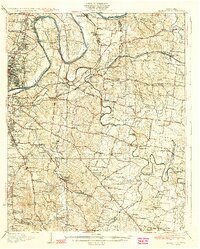 1932 Hermitage1932 Print · USGSGreater Nashville and its rural eastern reaches come alive in the early 1930s, documenting the river-bend communities and pike roads before modern sprawl. Genealogists can trace family roots through dozens of local landmarks like Woodbine P O, Clover Bottom, and the Andrew Jackson Sch.3 unique versions available
 - 1932 Map of Nashville
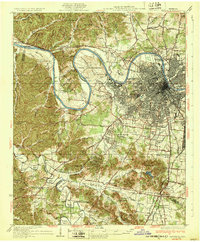 1932 Nashville1932 Print · USGSNashville and its river bends are captured here in the early thirties, showing a city expanding toward suburbs like Belle Meade and Glendale Park. Genealogists can locate family landmarks like Loves Ch, Brentwood Sta, and numerous rural schools from Gower Sch to Ash Grove Sch.2 unique versions available
 - 1933 Map of White Bluff
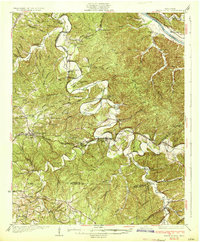 1933 White Bluff1933 Print · USGSThe Tennessee river country in the early thirties is defined here by the winding loops of the Harpeth River and the rail line through White Bluff. Genealogists and researchers can trace rural life through landmarks like Mound Bottom, Frog Pond Ch, and Opossum Sch.
 - 1936 Map of Primm
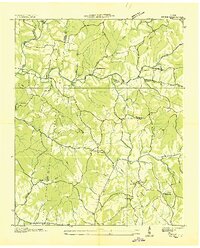 1936 Primm1936 Print · USGSThe rural borders of Maury, Hickman, and Williamson counties are captured here in the mid-1930s as the TVA began modernizing the landscape. Researchers can trace family history through local landmarks like Johnsons Mill, Elmo Sch, and the Warf Cem.
 - 1936 Map of Chapel Hill
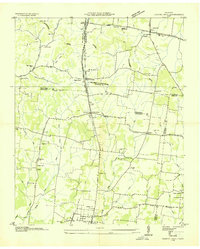 1936 Chapel Hill1936 Print · USGSMiddle Tennessee’s rural landscape is captured here in the mid-1930s as the regional electrical grid was expanding. Researchers can locate vanished landmarks like the Holtland PO, trace family roots at LESTER CEM, or find the old Edwards Grove Ch.
 - 1936 Map of Rally Hill
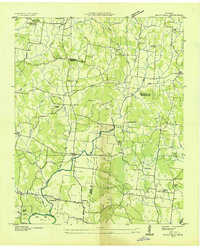 1936 Rally Hill1936 Print · USGSThe rural borders of Maury, Williamson, and Marshall counties are shown here during the mid-1930s, featuring a landscape of small family farms and tight-knit crossroads. Researchers can locate vanished community anchors like the Lee Buckner School, Lees Corner, and Hargrove Cemetery.
 - 1936 Map of Spring Hill
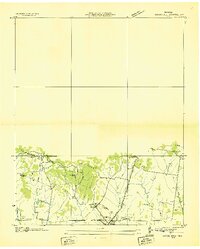 1936 Spring Hill1936 Print · USGSThe Tennessee and Maury county line area is captured here in the mid-1930s as a landscape of rural schoolhouses and family cemeteries. Local historians can trace the Louisville and Nashville RR corridor and find landmarks like Spring Hill Sta, New Town Cem, and Mt Lavergne Sch.
 - 1936 Map of Theta
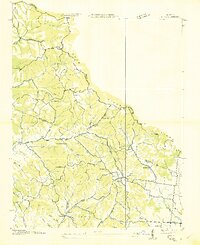 1936 Theta1936 Print · USGSThe Tennessee hill country south of Nashville was a patchwork of family farms and ridge-top settlements in the mid-thirties. Genealogists can trace early homesteads and community hubs like Theta, Smarden, and churches such as Cave Spring Church.
 - 1936 Map of Carters Creek
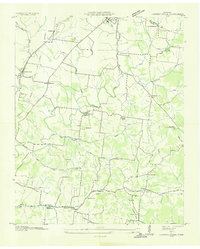 1936 Carters Creek1936 Print · USGSThe northern reaches of Maury County are captured in the mid-1930s as the rural economy centered around the Rutherford Creek basin. Genealogists can locate family landmarks like Buford Cem, Smith Chapel, and the historic Greens Mill.
 - 1936 Map of Craigfield
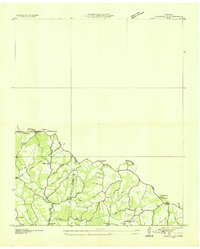 1936 Craigfield1936 Print · USGSThe Hickman and Williamson county border comes alive in the mid-1930s, showing a rural Tennessee landscape defined by narrow creek valleys and the Basin Divide. Genealogists can locate family-named sites like McCord Cem, Tidwell Sch, and Shady Grove Ch.
 - 1936 Map of Bethesda, 1969 Print
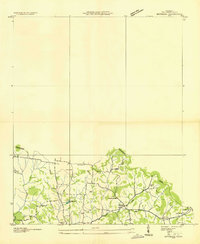 1936 Bethesda1969 Print · USGSSouthern Williamson County in the mid-thirties remains a landscape of tightly knit rural settlements and family homesteads. Genealogists can trace ancestral land near Bethesda through numerous small burial grounds like Pointer Cem and Evans Cem.2 unique versions available
 - 1941 Map of Carters Creek
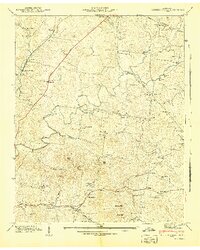 1941 Carters Creek1941 Print · USGSCentral Tennessee at the start of the 1940s reveals a landscape of rural schoolhouses and family cemeteries along the Andrew Jackson Highway. Trace early mineral industry at the Phosphate Mine or locate ancestral sites like Old Brick Ch and Buford Cem.2 unique versions available
 - 1942 Map of Lebanon, 1944 Print
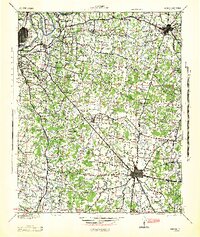 1942 Lebanon1944 Print · USGSMiddle Tennessee at the start of the war years reveals a landscape of historic homesteads and burgeoning military infrastructure. Genealogists and historians can trace family locations near The Hermitage, follow the Tennessee Central rail lines, or locate the newly established Smyrna Air Base.
 - 1944 Map of Shelbyville
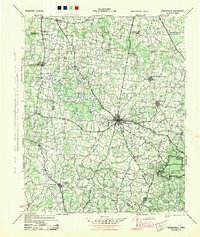 1944 Shelbyville1944 Print · USGSMid-century Middle Tennessee is captured here during the wartime mobilization of the 1940s. Genealogists and researchers can trace family lands near Bugscuffle, Shelbyville Mills, and the expansive Camp Forrest Military Res.
 - 1946 Map of Leipers Fork, 1966 Print
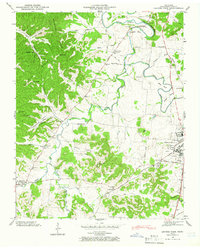 1946 Leipers Fork1966 Print · USGSPost-war Williamson County comes into focus in this mid-century survey of the river valleys and ridges west of Franklin. Genealogists can locate family-named sites like Smith Cem and Perkins Cem or trace the rural crossroads of Leipers Fork and Southall.2 unique versions available
 - 1946 Map of Bethesda, 1974 Print
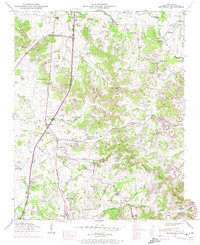 1946 Bethesda1974 Print · USGSWilliamson County's rural heartland is captured here in the mid-1940s, showing a landscape defined by the Tennessee River Valley Divide. Researchers can trace dozens of family burial sites like Hardeman Cem and old schoolhouses including Westwood Sch.
 - 1946 Map of Spring Hill, 1975 Print
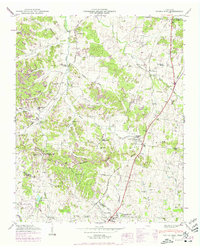 1946 Spring Hill1975 Print · USGSMid-century Middle Tennessee comes into focus as the Louisville and Nashville railroad tracks cut through the hills of Maury and Williamson Counties. Genealogists and historians can trace family plots like Harrison Cem and Patton Cem alongside landmarks such as Thompsons Station and the Mt Laverne School.3 unique versions available
 - 1947 Map of Rally Hill, 1948 Print
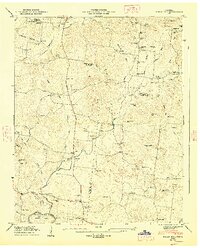 1947 Rally Hill1948 Print · USGSMid-century Middle Tennessee comes to life in this survey of the Maury and Williamson county line. Genealogists can trace family roots through dozens of sites like Derryberry Cem or visit vanished crossroads like Rally Hill and Lunns Store.4 unique versions available
 - 1949 Map of Leipers Fork
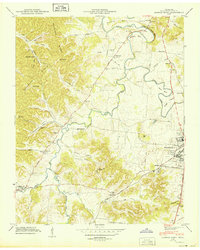 1949 Leipers Fork1949 Print · USGSWilliamson County in the late 1940s reveals a landscape of tight-knit valley communities and historic river crossings. Genealogists and researchers can locate family sites like Hogeye Ch, Hillsboro Sch, and the Smith Cem along the Harpeth River.
 - 1949 Map of Franklin
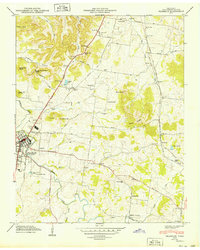 1949 Franklin1949 Print · USGSMid-century Williamson County centers on the thriving town of Franklin and the winding Harpeth River valley before the era of modern subdivision. Genealogists can trace family heritage through dozens of sites like Confederate Cem, Mallory Sch, and the Rest Haven Cem.3 unique versions available
 - 1949 Map of Bethesda
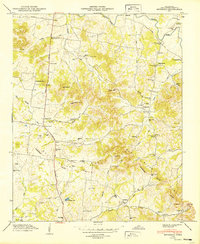 1949 Bethesda1949 Print · USGSSouthern Williamson County appears here in the late 1940s, showing a landscape defined by the Tennessee Duck River Valley Divide. Genealogists can trace family roots through dozens of local sites like Sprott Cem, Bethesda Sch, and the community of Peytonsville.3 unique versions available
Showing maps 1-25 of 160
Top cities of Williamson County
- Franklin historical maps
- Brentwood historical maps
- Nolensville historical maps
- Fairview historical maps
- Thompson's Station historical maps
Frequently asked questions
- What are the different types of historical maps available for Williamson County?
- What is the oldest map of Williamson County?
- Where can I purchase historical maps of Williamson County for my home or office?
- Where can I download high-res historical maps of Williamson County?
- Are there historical topographic maps available for Williamson County?
- Is there historical aerial imagery available for Williamson County?
- Where are historical maps of Williamson County sourced from?