Old Maps of Temple, Texas
Explore 53 old maps of Temple, spanning from 1892 to today. These high-resolution historic maps reveal how streets, neighborhoods, landmarks, and natural features evolved over time — perfect for genealogy, metal detecting, research, and local history exploration.
What you can do with these maps:
- See how Temple changed over time: Compare historical maps to modern-day views to trace roads, homesites, rail lines & more.
- View detailed metadata: Each map includes creators, publishers, year, scale, and archive source.
- Overlay maps with satellite & LiDAR: Visualize the past alongside modern tools to explore terrain & human change.
- Trusted historical sources: Maps sourced from the USGS, Library of Congress, and other archives.
- Access maps your way: View online, download high-res files, or order prints for personal or research use.
Start exploring old maps of Temple to uncover forgotten places, hidden landmarks, and the deep history beneath your feet.
Temple, TX maps
(53)- 1892 Map of Temple
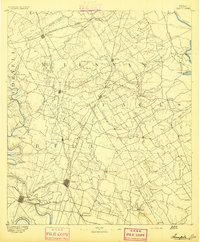 1892 Temple1892 Print · USGSTexas at the turn of the century shows a landscape defined by emerging railroad junctions and river settlements. Genealogists can trace early homesteads and rail-town growth in Temple, McGregor, and Belton near the banks of the Leon River.6 unique versions available
 - 1894 Map of Gatesville
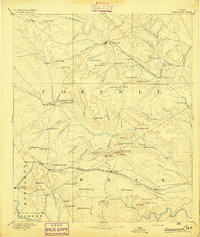 1894 Gatesville1894 Print · USGSCentral Texas in the late nineteenth century was a landscape of expanding rail lines and established river settlements. Genealogists can trace family names across Pidcock Ranch, Fort Gates, and Coperas Cove, while following the path of the St. Louis Arkansas and Texas Railroad.4 unique versions available
 - 1924 Map of Gatesville 4-d
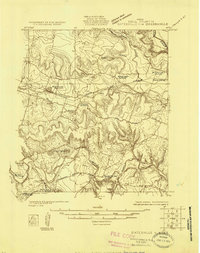 1924 Gatesville 4-d1924 Print · USGSBell County in the mid-twenties shows a landscape of river-valley homesteads and remote rail sidings along the Leon River. Genealogists can locate several rural community landmarks, including Wiltonville School, Youngsport, and Beren Crossing.
 - 1924 Map of Gatesville 4-a
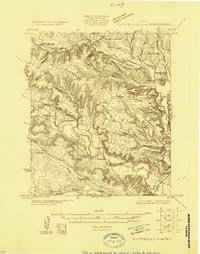 1924 Gatesville 4-a1924 Print · USGSBell and Coryell Counties are mapped here in the mid-1920s, revealing a landscape of upland farms and valley crossings. Genealogists can trace early landmarks like Seattle, Sparta, and Liberty Hill Church, along with rural schoolhouses such as Phoenix School.
 - 1924 Map of Temple 3-C
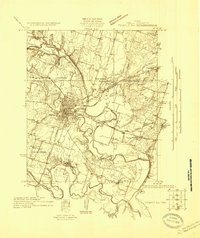 1924 Temple 3-C1924 Print · USGSBell County at the peak of the rail era shows a landscape where river valleys were the centers of life. Genealogists can locate family landmarks like Rock School, Midway Church, and the winding Meridian Highway.
 - 1924 Map of Temple 3-B
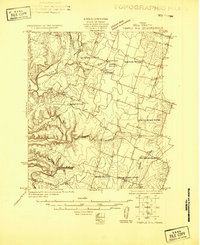 1924 Temple 3-B1924 Print · USGSBell County agriculture and rural life are captured in the mid-1920s as small communities thrived along the Leon River. Genealogists can trace early homesteads near the Whitehall School, Moffat, and the Hopewell Church.
 - 1930 Map of Killeen
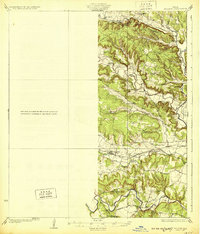 1930 Killeen1930 Print · USGSBell County was a landscape of small school districts and river crossings in the early thirties. Genealogists can trace family roots through rural landmarks like Keyes Valley Sch, Youngsport, and the Santa Fe line at Stone Siding.2 unique versions available
 - 1931 Map of Belton, 1949 Print
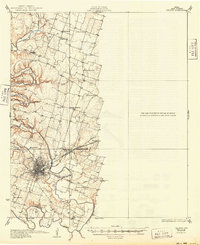 1931 Belton1949 Print · USGSBell County in the 1920s and 30s reveals a landscape of river-valley farming and bustling railroad junctions centered on the county seat. Genealogists and historians can trace early community life through numerous rural landmarks like Moffat Sch, Tennessee Valley Ch, and the Belton and Temple Electric R R.
 - 1947 Map of Bland, 1953 Print
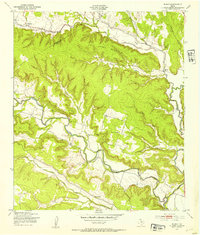 1947 Bland1953 Print · USGSBell and Coryell County rural life is captured here in the late 1940s, documenting a landscape of small schools and family cemeteries. Trace the heritage of Sparta and Bland or locate ancestral sites like Liberty Hill Cem and Phoenix Sch.
 - 1947 Map of Killeen, 1953 Print
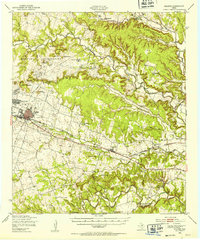 1947 Killeen1953 Print · USGSBell and Coryell Counties appear here in the years following the war, showcasing the early growth of Killeen and the Fort Hood Military Reservation. Local historians can trace vanished schoolhouses and churches like Union Hill Sch and McDowell Ch alongside the Gulf Colorado and Santa Fe line.
 - 1947 Map of Nolanville, 1953 Print
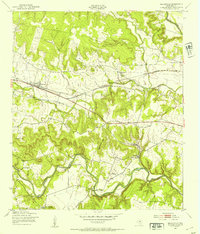 1947 Nolanville1953 Print · USGSNolanville and the surrounding Bell County ranchlands are captured here in the late 1940s as the rail and river networks shaped the local economy. Researchers can trace rural landmarks including Union Grove Sch, Burris Cem, and the path of the Gulf Colorado and Santa Fe railroad.
 - 1954 Map of Waco, 1964 Print
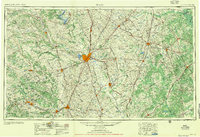 1954 Waco1964 Print · USGSCentral Texas during the mid-fifties shows a landscape defined by the expansion of Fort Hood Military Reservation and the Brazos river system. Trace the rail lines and early airfields like James Connally Air Force Base and settlements like Temple or McGregor.2 unique versions available
 - 1955 Map of Waco
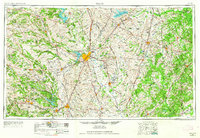 1955 Waco1955 Print · USGSCentral Texas at the peak of the Cold War reveals a landscape defined by military expansion and major water projects. Researchers can trace the footprints of Fort Hood, the waters of Lake Waco, and regional hubs like Temple or Mexia.
 - 1958 Map of Bland, 1961 Print
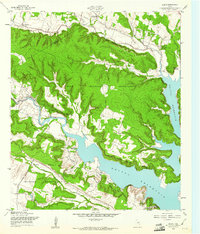 1958 Bland1961 Print · USGSCentral Texas land use and water management come into focus in the late fifties as the Belton Reservoir shapes the terrain. Genealogists can trace family-named sites like Bland Mountain or locate old community centers like Union Hill and Sparta.3 unique versions available
 - 1958 Map of Nolanville, 1961 Print
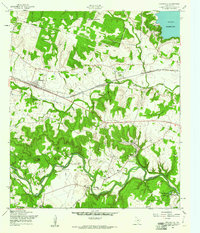 1958 Nolanville1961 Print · USGSBell County, Texas, is captured here in the late fifties as the local economy balanced ranching, rail, and military growth. Researchers can locate numerous family burial grounds like Gotcher Cem or trace the early paths of the Gulf Colorado and Santa Fe railroad.3 unique versions available
 - 1958 Map of Killeen, 1962 Print
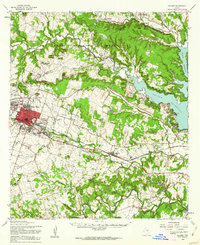 1958 Killeen1962 Print · USGSBell County in the late fifties shows a landscape in transition as the military presence at Fort Hood grows alongside established rail towns. Genealogists can trace early rural life through Pleasant Hill Cem, Keys Valley Ch, and the original streets of Nolanville.
 - 1965 Map of Troy, 1967 Print
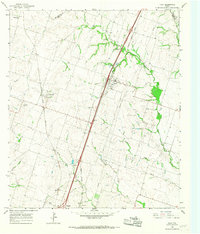 1965 Troy1967 Print · USGSBell County's agricultural heartland in the mid-sixties reveals a landscape shaped by competing rail lines and rural community centers. Genealogists can locate family names at Old Troy Cem, Pleasant View Cem, and the Willow Grove Ch.3 unique versions available
 - 1965 Map of Belton, 1968 Print
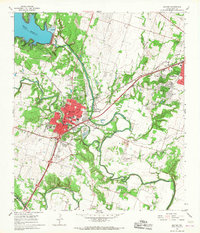 1965 Belton1968 Print · USGSThe Bell County river valleys were transforming in the mid-sixties as the Belton Reservoir stabilized the local waters. Genealogists and researchers can trace the old road to Sparta, find the North Belton Cem, or locate landmarks like the Belton Airfield.3 unique versions available
 - 1965 Map of Moffat, 1968 Print
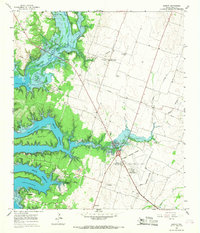 1965 Moffat1968 Print · USGSBell County was undergoing a major transformation in the mid-sixties as the Leon River valley was reshaped by reservoir waters. Genealogists and local historians can trace the rural landscape through Moffat Sch, White Hall, and several local burial grounds like Moffat Cem.3 unique versions available
 - 1965 Map of Temple, 1968 Print
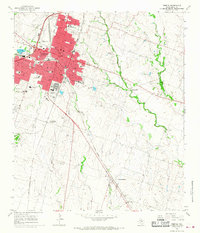 1965 Temple1968 Print · USGSTemple was a thriving rail and medical center during the mid-sixties, serving as the crossroads for the Atchison Topeka and Santa Fe. Genealogists and local historians can trace rural family sites at Heidenheimer or find old landmarks like Antioch Ch and the Blackland Experimental Farm.3 unique versions available
 - 1985 Map of Temple
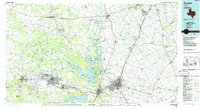 1985 Temple1985 Print · USGSCentral Texas in the mid-eighties shows a landscape of massive defense installations and deep-rooted farming communities. Genealogists and historians can trace the development of Temple and Gatesville, locate the Gatesville State School for Boys, or explore rural outposts like Zabcikville and Westphalia.2 unique versions available
 - 1995 Map of Nolanville
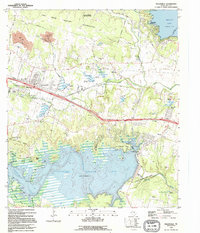 1995 Nolanville1995 Print · USGSBell County was a landscape of military boundaries and major reservoirs during the mid-nineties. You can trace family roots at McDowell Cem, locate Sparta, and see the early footprint of Nolanville before its recent expansion.
 - 1995 Map of Bland
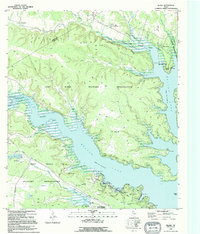 1995 Bland1995 Print · USGSThe Bell and Coryell county line in the mid-1990s shows the convergence of military training and lakefront recreation. Genealogists and locals can trace rural landmarks like Union Hill and Liberty Hill alongside the Fort Hood Military Reservation.
 - 2010 Map of Bland, 2010 Print
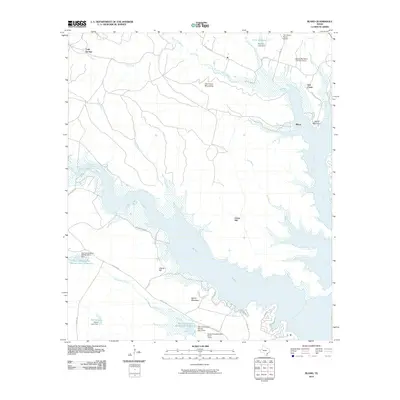 2010 Bland2010 Print · USGSCentral Texas during the first decade of the new millennium reveals a landscape defined by the expansive Belton Lake. Trace the hills and drainages near Bland and Cold Springs, or locate landmarks like the Camp Arrowhead Boy Scout Camp and private ranch airports.
 - 2010 Map of Nolanville, 2010 Print
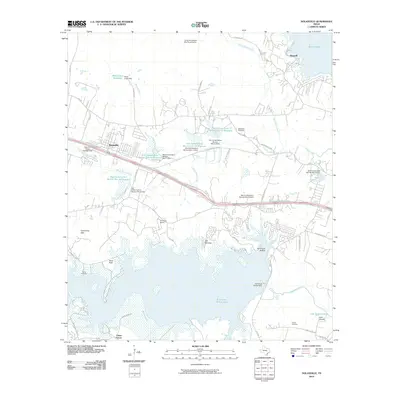 2010 Nolanville2010 Print · USGSBell County near Nolanville is shown here during a period of modern water management and community growth. Researchers can trace local heritage at McDowell Cemetery or explore the geography of Stillhouse Hollow Lake and the Lampasas River.
Showing maps 1-25 of 53
Top cities near Temple
- Harker Heights historical maps
- Belton historical maps
- Nolanville historical maps
- Troy historical maps
- Salado historical maps
- Little River-Academy historical maps
See more
Top neighborhoods of Temple
- Gober historical maps
- Belco historical maps
- Midway historical maps
- Smith historical maps
- Woodland historical maps
- Berger historical maps
See more
Frequently asked questions
- What are the different types of historical maps available for Temple?
- What is the oldest map of Temple?
- Where can I purchase historical maps of Temple for my home or office?
- Where can I download high-res historical maps of Temple?
- Are there historical topographic maps available for Temple?
- Is there historical aerial imagery available for Temple?
- Where are historical maps of Temple sourced from?