1960s Maps of Cottle County, Texas
Explore 27 historic maps of Cottle County from the 1960s. These maps offer a rare glimpse into what life looked like during the 1960s — showing old roads, neighborhoods, homes, and landmarks that have changed or disappeared over time.
Whether you're researching your family's past, planning a metal detecting trip, or studying how Cottle County's landscape evolved across the 1960s, these high-resolution maps are a powerful tool for exploring the history of this region.
- Focus on a specific era: All maps on this page are from the 1960s, giving you a focused view of this time period.
- See what’s changed: Compare century-old streets, trails, and buildings to today's modern landscape using overlays and satellite layers.
- Research with precision: Use these maps for genealogy, historical research, land use analysis, or educational projects.
- View, download, or print: Maps are fully viewable online in high resolution, and can be downloaded or printed for your own records.
Start exploring Cottle County's history through authentic maps from the 1960s. This is your window into the past.
Cottle County, TX maps
(27)- 1960 Map of Goodlett, 1962 Print
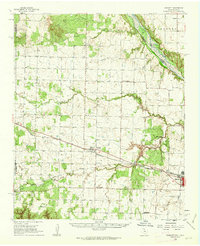 1960 Goodlett1962 Print · USGSHardeman County at the dawn of the 1960s was a landscape defined by the Red River and a busy network of converging rail lines. Researchers can trace the layouts of small communities like Goodlett and Punkin Center or locate rural burial grounds including Elba Cem and Johnson Cem.2 unique versions available
 - 1960 Map of Teacup Mountain, 1962 Print
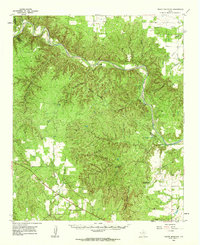 1960 Teacup Mountain1962 Print · USGSFoard and Hardeman counties are captured in the early sixties as they were shaped by the winding Pease River. Local historians can trace family landmarks and geographic features like Teacup Mountain, Sugarloaf Mountain, and the remote Oil Well site.
 - 1966 Map of Fields Canyon
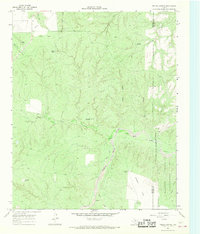 1966 Fields Canyon1966 Print · USGSThe ranchlands and river breaks of the Texas Panhandle are captured here during the mid-1960s. Genealogists and local historians can trace family-named landmarks like Leary Flat, the Lucky Knob Windmill, and the expanse of the Matador Wildlife Management Area.2 unique versions available
 - 1966 Map of Cee Vee, 1968 Print
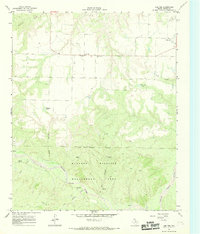 1966 Cee Vee1968 Print · USGSCottle County ranching and the Matador breaks are preserved here in the mid-1960s. Trace the rural community at Cee Vee, the Haven of Rest Cem, and scattered landmarks like Samson Windmill along the Middle Pease River.2 unique versions available
 - 1966 Map of Tee Pee City, 1968 Print
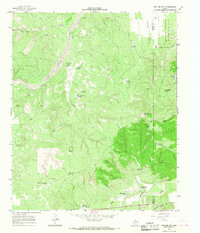 1966 Tee Pee City1968 Print · USGSThe ranching country of the Texas Rolling Plains is captured here in the mid-1960s, centered on the historic site of Tee Pee City. Researchers can trace the ranching infrastructure of the era, from the Quanah Acme and Pacific rail line to isolated features like the Historical Marker and Schweitzer Windmill.2 unique versions available
 - 1966 Map of Chalk SW, 1969 Print
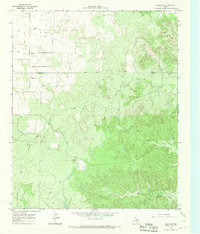 1966 Chalk SW1969 Print · USGSKing and Cottle counties were defined by cattle ranching and early oil exploration during the mid-sixties. Researchers can trace the boundaries of the J Y Ranch West Camp, locate the Shinnery Cem, and follow the Middle Fork Wichita River.
 - 1966 Map of Lowrance Mountain, 1969 Print
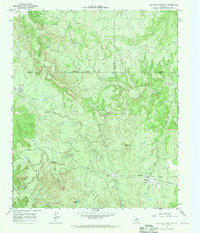 1966 Lowrance Mountain1969 Print · USGSThe Wichita River breaks of King County are captured here in the mid-1960s, showing a remote ranching landscape transitioning into the oil and gas era. Researchers can locate the Lowrance Ranch and its landing strip or trace water sources like Pouring Spring and Marys Lake.2 unique versions available
 - 1966 Map of Devils Canyon, 1969 Print
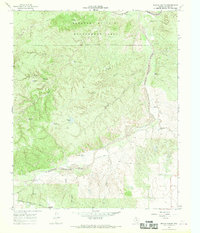 1966 Devils Canyon1969 Print · USGSCottle County ranching and conservation efforts are preserved here as they stood in the mid-sixties. Researchers can trace the path of the Quanah Acme and Pacific railroad near Narcisso and locate numerous historic water landmarks like Bull Pasture Windmill.2 unique versions available
 - 1967 Map of Buckle L Ranch, 1969 Print
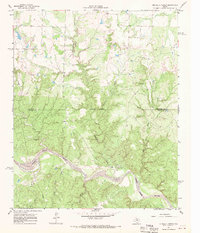 1967 Buckle L Ranch1969 Print · USGSChildress and Cottle Counties are captured in the late sixties as the ranching landscape of the Rolling Plains met industrial development. Researchers can trace the winding North Pease River and locate remote landmarks like Buckle L Ranch and Deadman Cave.2 unique versions available
 - 1967 Map of Tell South, 1969 Print
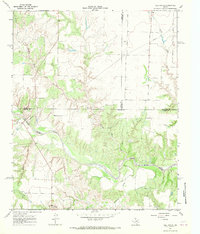 1967 Tell South1969 Print · USGSThe Texas Panhandle at the intersection of three counties shows a landscape defined by the winding North Pease River during the late sixties. Researchers can trace land boundaries and drainage patterns along Running Water Creek and Richland Creek or locate old Gravel Pits.2 unique versions available
 - 1967 Map of Hell Roaring Creek, 1969 Print
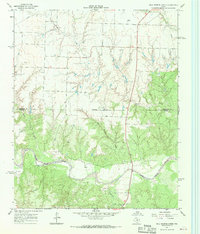 1967 Hell Roaring Creek1969 Print · USGSThe North Pease River valley at the Childress and Cottle county line is captured here in the late sixties. Genealogists and researchers can trace the intricate drainage of Hell Roaring Creek, Sweetwater Creek, and Devils Creek through this Texas landscape.2 unique versions available
 - 1967 Map of Kirkland South, 1969 Print
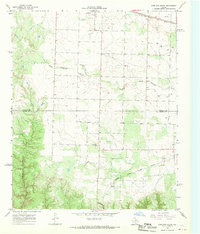 1967 Kirkland South1969 Print · USGSThe West Texas ranch lands of the Panhandle come alive on this late 1960s map of the Childress and Cottle County line. Genealogists can locate the Tennessee Valley Cemetery, while collectors can trace the Fort Worth and Denver and Quanah Acme and Pacific rail lines.2 unique versions available
 - 1967 Map of Dunlap, 1969 Print
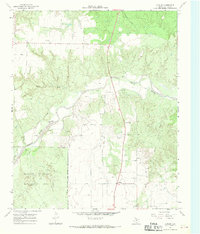 1967 Dunlap1969 Print · USGSIn the late 1960s, this area of Cottle County was defined by its cattle ranching terrain and the winding Middle Pease River. Researchers can trace the layout of Dunlap, find a local Cem, and see the original extent of the Matador Wildlife Management Area.2 unique versions available
 - 1967 Map of Triangle Ranch, 1969 Print
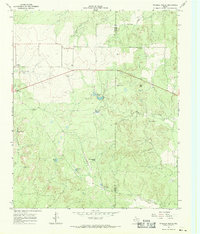 1967 Triangle Ranch1969 Print · USGSCottle County ranching country is captured here in the late sixties, showing the vast livestock operations that define this Texas region. Researchers can locate the Ogden (Site), trace family landmarks like Marys Peak, and find remote outposts like Polk Hole Windmill.2 unique versions available
 - 1967 Map of Baker, 1969 Print
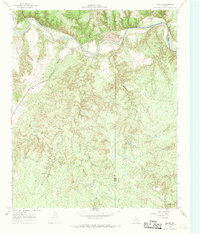 1967 Baker1969 Print · USGSCottle County ranch lands are documented here in the late sixties, where the railroad and river define the northern frontier. Researchers can trace the Quanah Acme and Pacific rail line past Baker or locate the Y L Ranch and its Landing Strip among the creek prongs.2 unique versions available
 - 1967 Map of Northfield, 1969 Print
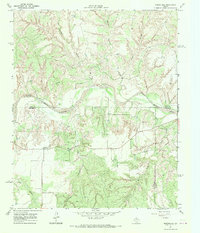 1967 Northfield1969 Print · USGSThe West Texas Panhandle near the North Pease River is shown in the late 1960s as a landscape of ranching and river canyons. Genealogists and historians can trace the rural settlement of Northfield or locate family landmarks like Lake Joe and Cheney Mountain.2 unique versions available
 - 1967 Map of Paducah, 1970 Print
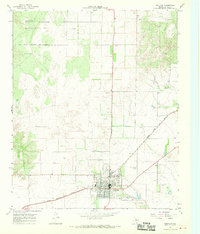 1967 Paducah1970 Print · USGSPaducah and the surrounding Cottle County ranch lands are captured here in the late sixties, showing the town at a crossroads of rail and air. Researchers can trace the QUANAH ACME AND PACIFIC railroad and locate the Garden of Memories (Cem) or the Fairberry Windmill.2 unique versions available
 - 1967 Map of Moons Camp, 1970 Print
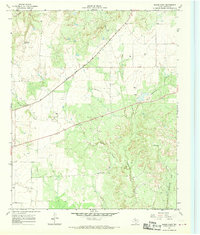 1967 Moons Camp1970 Print · USGSCottle County was a landscape of rail-driven settlements and cattle ranching in the late sixties. Genealogists and historians can trace the Quanah Acme and Pacific rail line through Swearingen and locate landmarks like Moons Camp.2 unique versions available
 - 1967 Map of Swearingen, 1970 Print
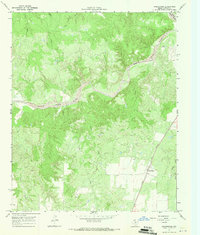 1967 Swearingen1970 Print · USGSCottle County ranch land and river breaks are captured in the late sixties as the local rail economy centered on Swearingen. Genealogists and historians can trace the Quanah Acme and Pacific line and family sites like the small Cem and Drill Hole.
 - 1968 Map of Y Ranch, 1970 Print
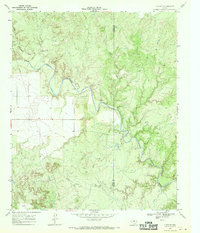 1968 Y Ranch1970 Print · USGSCottle and Foard counties are captured in the late sixties as the ranching economy and oil industry shaped the West Texas landscape. Researchers can locate the Y Ranch headquarters, the local Landing Strip, and several Oil Wells along the North Wichita River.2 unique versions available
 - 1968 Map of Grow, 1970 Print
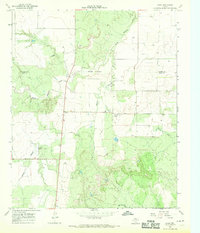 1968 Grow1970 Print · USGSThe West Texas ranchlands of King County are captured here in the late sixties, where the North Wichita River meets a network of rural outposts. Genealogists and historians can trace local life at the Finney Community Center, Grow, and the settlement of Richards.
 - 1968 Map of Chalk, 1970 Print
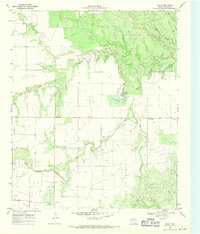 1968 Chalk1970 Print · USGSCottle County ranching and oil country come into focus during the late sixties, showing a landscape defined by water and industry. Trace the legacy of Chalk and Hackberry or locate historical Oil Wells and the North Wichita River.2 unique versions available
 - 1968 Map of Buffalo Creek, 1970 Print
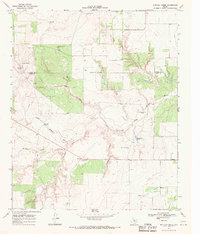 1968 Buffalo Creek1970 Print · USGSThe ranchlands along the Cottle and King county line are captured here in the late 1960s as they are carved by the North Wichita River. Genealogists and historians can trace family-named landmarks like Snakey Futch Windmill, Camp Hollar Windmill, and the settlement of Delwin.2 unique versions available
 - 1968 Map of Grow NW, 1970 Print
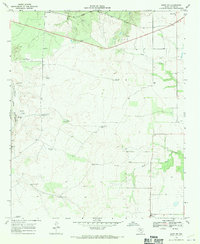 1968 Grow NW1970 Print · USGSCottle County ranching and rail life are preserved here in the late sixties, showing a landscape defined by water and wind. Trace family-named landmarks and infrastructure like the Quanah Acme and Pacific rail line, Shorty Smock Windmill, and Narcisso.2 unique versions available
 - 1968 Map of Dumont, 1970 Print
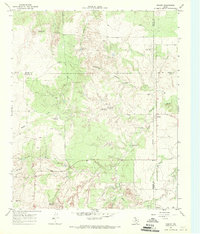 1968 Dumont1970 Print · USGSThe West Texas ranching country near the Dickens and King county line was a network of seasonal draws and vital water sources in the late sixties. Trace the distribution of livestock windmills like Threeway Windmill and the settlement at Dumont near the North Wichita River.2 unique versions available
Showing maps 1-25 of 27
Top cities of Cottle County
Frequently asked questions
- What are the different types of historical maps available for Cottle County?
- What is the oldest map of Cottle County?
- Where can I purchase historical maps of Cottle County for my home or office?
- Where can I download high-res historical maps of Cottle County?
- Are there historical topographic maps available for Cottle County?
- Is there historical aerial imagery available for Cottle County?
- Where are historical maps of Cottle County sourced from?