1960s Maps of Duval County, Texas
Explore 35 historic maps of Duval County from the 1960s. These maps offer a rare glimpse into what life looked like during the 1960s — showing old roads, neighborhoods, homes, and landmarks that have changed or disappeared over time.
Whether you're researching your family's past, planning a metal detecting trip, or studying how Duval County's landscape evolved across the 1960s, these high-resolution maps are a powerful tool for exploring the history of this region.
- Focus on a specific era: All maps on this page are from the 1960s, giving you a focused view of this time period.
- See what’s changed: Compare century-old streets, trails, and buildings to today's modern landscape using overlays and satellite layers.
- Research with precision: Use these maps for genealogy, historical research, land use analysis, or educational projects.
- View, download, or print: Maps are fully viewable online in high resolution, and can be downloaded or printed for your own records.
Start exploring Duval County's history through authentic maps from the 1960s. This is your window into the past.
Duval County, TX maps
(35)- 1961 Map of Crystal City
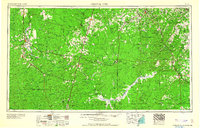 1961 Crystal City1961 Print · USGSSouth Texas in the early sixties reveals a landscape of massive cattle ranches and emerging oil fields. Genealogists and historians can trace the Missouri Pacific rail lines through Crystal City, or locate water features like Espantosa Lake and Boynton Reservoir.
 - 1963 Map of Anna Rose, 1964 Print
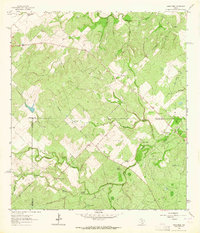 1963 Anna Rose1964 Print · USGSSouth Texas ranching and oil production are on full display in the early 1960s at the junction of Live Oak and Jim Wells counties. Trace family history and land use through landmarks like Rancho de la Parrita, Anna Rose, and the Calabaza Windmill.2 unique versions available
 - 1963 Map of San Diego, 1964 Print
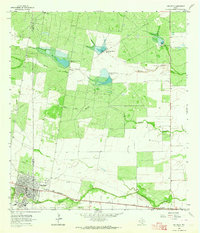 1963 San Diego1964 Print · USGSSan Diego and the surrounding brush country are captured here in the early sixties as the regional water infrastructure was expanding. Genealogists and historians can trace the Texas Mexican rail line, find the local Cem, or locate the series of Chiltipin-San Fernando Dam No 6 reservoirs.2 unique versions available
 - 1963 Map of Shaeffer Ranch, 1964 Print
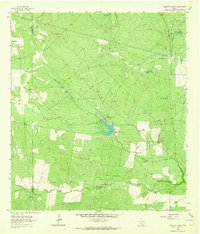 1963 Shaeffer Ranch1964 Print · USGSSouth Texas ranching country in the early sixties is captured here along the Duval and Jim Wells county line. Genealogists and historians can locate the San Jose Cem near Mendieta, old family landmarks like the Shaeffer Ranch, and dozens of named windmills and tanks.2 unique versions available
 - 1963 Map of Premont West, 1964 Print
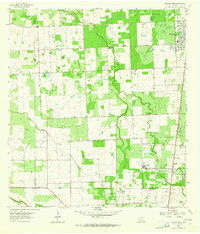 1963 Premont West1964 Print · USGSJim Wells County in the early 1960s was a hub of energy production and ranching at the meeting point of three counties. Genealogists and historians can trace the Southern Pacific rail corridor through Premont and La Gloria, and locate rural landmarks like the La Gloria Sch and the Drive-in Theater.
 - 1963 Map of Ben Bolt NW, 1964 Print
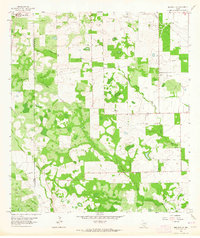 1963 Ben Bolt NW1964 Print · USGSCoastal Bend brush country during the early 1960s reveals a landscape of active energy production along the Duval and Jim Wells county line. Researchers can trace the development of the Ben Bolt Oil Field and Koopman Gas Field alongside the southern edge of San Diego.
 - 1963 Map of Palito Blanco, 1964 Print
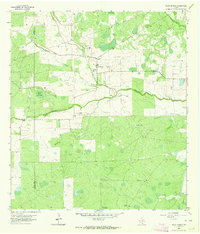 1963 Palito Blanco1964 Print · USGSJim Wells County ranching country comes into focus in the early sixties, showing a landscape of family-owned holdings and scattered brushland cemeteries. Researchers can trace local heritage through sites like Palito Blanco, San Jose Ch, and the Valadez Cem or Perez Cem.
 - 1963 Map of Seeligson Ranch, 1965 Print
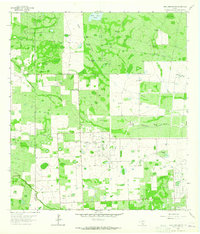 1963 Seeligson Ranch1965 Print · USGSJim Wells County rangeland meets the mid-century energy boom in the early sixties. Researchers can trace ranching legacies at Seeligson Ranch or explore petroleum history across the Premont Oil Field and East Premont Oil Field.
 - 1967 Map of Hebbronville SE, 1971 Print
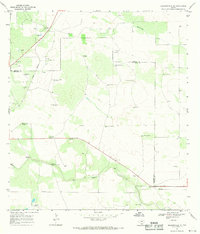 1967 Hebbronville SE1971 Print · USGSThe ranch lands of Jim Hogg County are captured here in the late sixties as the oil and gravel industries expanded across the brush country. Researchers can trace the Texas Mexican line and locate numerous family-named landmarks like Papalote Nuevo Windmill and San Tomas Windmill.2 unique versions available
 - 1967 Map of Parrilla Creek SE, 1971 Print
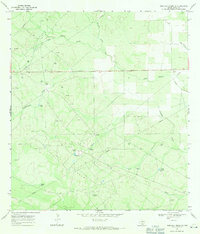 1967 Parrilla Creek SE1971 Print · USGSDuval County was a center of energy production and ranching in the late sixties. Researchers can trace oil and gas development through Driscoll Camp, the local Refinery, and the settlement at Sweden.
 - 1967 Map of Realitos, 1971 Print
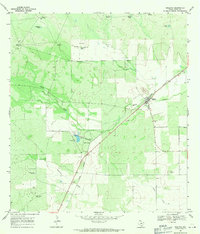 1967 Realitos1971 Print · USGSSouth Texas ranching and rail transport converge at the town of Realitos during the late sixties. Genealogists and local historians can locate family-named sites like Longora Windmill and Pila Blanca Windmill along the Texas Mexican line.2 unique versions available
 - 1967 Map of Hebbronville NW, 1971 Print
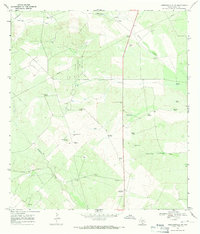 1967 Hebbronville NW1971 Print · USGSDuval County ranching culture is frozen in time during the late sixties, showing a landscape shaped by water scarcity and oil exploration. Researchers can trace historic property boundaries at Trevino Ranch or locate family-named landmarks like Cardenas Windmill and Lloron Windmill.2 unique versions available
 - 1967 Map of Hebbronville, 1971 Print
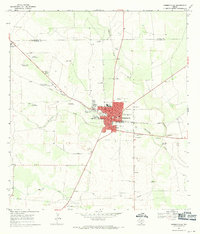 1967 Hebbronville1971 Print · USGSHebbronville sits at a vital South Texas rail junction in the late sixties, where the livestock and oil economies met the brush country. Researchers can trace family history at Old Hebbronville Cem or locate local landmarks like Dusty Downs Racetrack and the Courthouse.
 - 1968 Map of Crystal City
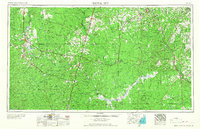 1968 Crystal City1968 Print · USGSSouth Texas in the late sixties reveals a landscape shaped by ranching roots and the vital waters of the Nueces River. Researchers can trace the rail-driven growth of Crystal City or locate landmarks like Pilot Knob and Espantosa Lake.
 - 1968 Map of Concepcion, 1971 Print
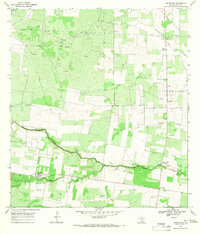 1968 Concepcion1971 Print · USGSConcepcion and its surrounding ranchlands are captured here in the late sixties during a period of steady oil and gas development. Researchers can trace family history through numerous burial sites like Santa Cruz Cem or locate old community centers like Vera Cruz and Rios.
 - 1968 Map of Parrilla Creek SW, 1971 Print
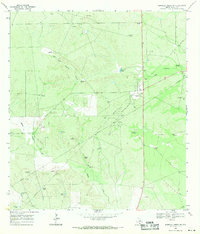 1968 Parrilla Creek SW1971 Print · USGSDuval County ranch lands are shown in the late sixties as the petroleum industry expanded into the brush country. Researchers can trace historic water management through named features like Solo Ranch, the Javalina Windmill, and Valders Tank.2 unique versions available
 - 1968 Map of Benavides NW, 1971 Print
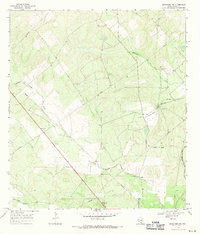 1968 Benavides NW1971 Print · USGSDuval County ranchlands and energy fields are captured here in the late sixties. Genealogists and researchers can locate family sites like Guerra Cem and trace the path of the Old Railroad Grade near the Texas Mexican Oil Field.
 - 1968 Map of San Jose, 1971 Print
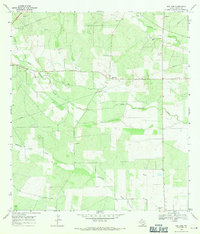 1968 San Jose1971 Print · USGSDuval County ranch lands and early petroleum developments are captured here in the late sixties. Genealogists can trace family heritage through numerous burial sites like Bazan Cem and Garcia Cem or locate the rural communities of San Jose and Olmos.
 - 1968 Map of Mills Bennett, 1971 Print
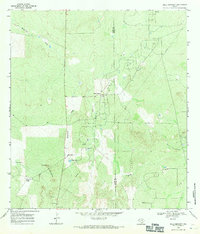 1968 Mills Bennett1971 Print · USGSThe Webb and Duval county line comes alive in the late sixties as ranching traditions meet the growing oil industry. Researchers can trace family history and land use through Billings Ranch, the Billings Cem, and the Mills Bennett Oil Field.
 - 1968 Map of Benavides, 1971 Print
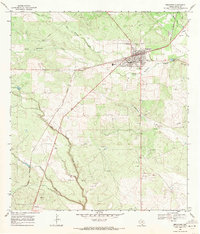 1968 Benavides1971 Print · USGSThe South Texas ranching and oil country around Benavides comes to life in the late sixties. Trace family roots and local industry along the TEXAS MEXICAN railroad, the town Cem, and the local Drive-in Theater.2 unique versions available
 - 1968 Map of Parrilla Creek NW, 1971 Print
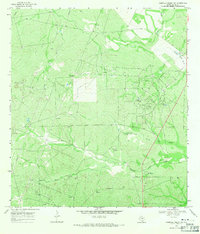 1968 Parrilla Creek NW1971 Print · USGSDuval County is captured during a peak era of petroleum expansion in the late sixties. Genealogists and industrial historians can trace the network of Oil Fields and Oil Wells alongside local landmarks like Dougherty and Perez Windmill.
 - 1968 Map of Concepcion NW, 1971 Print
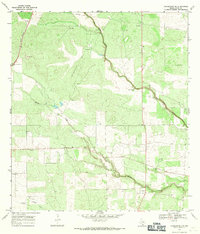 1968 Concepcion NW1971 Print · USGSDuval County in the late sixties shows a landscape of intensive oil exploration and traditional ranching. Researchers can locate Miller Ranch, the Longhorn Field petroleum works, and burial sites like Vicinity Cem.
 - 1968 Map of Parrilla Creek NE, 1971 Print
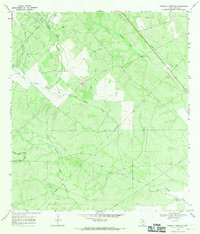 1968 Parrilla Creek NE1971 Print · USGSDuval County, Texas, in the late 1960s was a landscape defined by petroleum extraction and ranching. Researchers can trace the industrial footprint of an OIL FIELD and Pipelines or locate the San Isidro Cem near Las Animas Creek.
 - 1968 Map of Benavides NE, 1971 Print
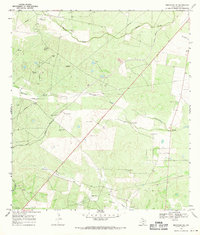 1968 Benavides NE1971 Print · USGSDuval County ranchlands and oil fields are captured here in the late sixties, bisected by the Texas Mexican railroad. Genealogists can locate family sites like Segura-Saenz Cem and various named outposts including Porvenir Well.
 - 1968 Map of San Pablo, 1971 Print
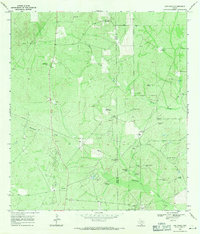 1968 San Pablo1971 Print · USGSWebb and Duval Counties are captured here in the late sixties at a point of industrial transition. Genealogists and researchers can trace local landmarks like Loma Blanca Cem, the settlement of San Pablo, and numerous family-named windmills including Richardson Windmill.2 unique versions available
Showing maps 1-25 of 35
Top cities of Duval County
Frequently asked questions
- What are the different types of historical maps available for Duval County?
- What is the oldest map of Duval County?
- Where can I purchase historical maps of Duval County for my home or office?
- Where can I download high-res historical maps of Duval County?
- Are there historical topographic maps available for Duval County?
- Is there historical aerial imagery available for Duval County?
- Where are historical maps of Duval County sourced from?