Old Maps of Rosenberg, Texas
Explore 38 old maps of Rosenberg, spanning from 1950 to today. These high-resolution historic maps reveal how streets, neighborhoods, landmarks, and natural features evolved over time — perfect for genealogy, metal detecting, research, and local history exploration.
What you can do with these maps:
- See how Rosenberg changed over time: Compare historical maps to modern-day views to trace roads, homesites, rail lines & more.
- View detailed metadata: Each map includes creators, publishers, year, scale, and archive source.
- Overlay maps with satellite & LiDAR: Visualize the past alongside modern tools to explore terrain & human change.
- Trusted historical sources: Maps sourced from the USGS, Library of Congress, and other archives.
- Access maps your way: View online, download high-res files, or order prints for personal or research use.
Start exploring old maps of Rosenberg to uncover forgotten places, hidden landmarks, and the deep history beneath your feet.
Rosenberg, TX maps
(38)- 1950 Map of Houston, 1953 Print
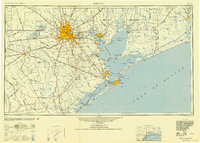 1950 Houston1953 Print · USGSCoastal Texas in the early fifties reveals a landscape of massive civil engineering and industrial transit. Genealogists and researchers can trace the growth of the Houston suburbs and the maritime infrastructure of Galveston Bay, including the Gulf Freeway and the Texas City Dike.
 - 1953 Map of Needville, 1954 Print
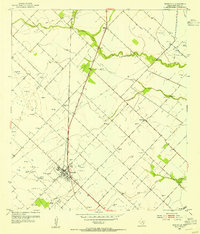 1953 Needville1954 Print · USGSFort Bend County's coastal prairie comes into sharp focus during the mid-century oil boom, showing a landscape transitioning from ranching to petroleum production. Trace family roots at Concord Cem or the Foster Sch (Aban'd), and see the early footprint of the Needville Oil Field.3 unique versions available
 - 1953 Map of Kendleton, 1954 Print
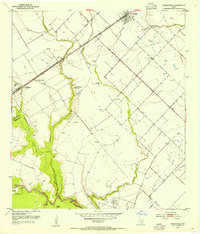 1953 Kendleton1954 Print · USGSFort Bend and Wharton Counties are seen here in the early 1950s, a landscape shaped by the San Bernard River and rail lines. Locate the Mexican Army Encampment site, trace the Southern Pacific tracks through Beasley, or find family roots near Wesley Chapel.2 unique versions available
 - 1955 Map of Sugar Land, 1957 Print
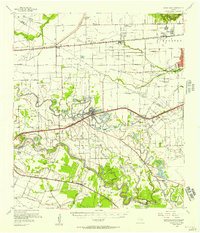 1955 Sugar Land1957 Print · USGSFort Bend and Harris counties were transitioning from a plantation and prison-farm economy to a modern industrial corridor in the mid-1950s. Genealogists can trace family names at the Dewalt Cem or Riceville Ch, while researchers can map the early footprints of Sharpstown and Andrau Airpark.
 - 1955 Map of Richmond, 1958 Print
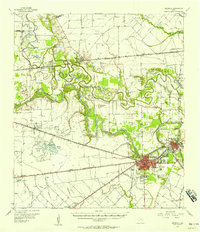 1955 Richmond1958 Print · USGSFort Bend County during the mid-fifties is captured here as a landscape of meandering rivers and burgeoning rail hubs. Genealogists can trace family names through rural sites like Little Prayer Cem or follow the Old Spanish Trail through Rosenberg.
 - 1956 Map of Houston, 1963 Print
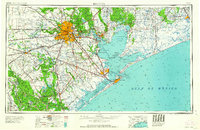 1956 Houston1963 Print · USGSSoutheast Texas in the mid-fifties is captured here as a powerhouse of oil and maritime trade. Genealogists and historians can trace the foundations of Houston and its ports, alongside landmarks like the Rice Institute and the Spindletop Oil Field.2 unique versions available
 - 1970 Map of Sugar Land, 1973 Print
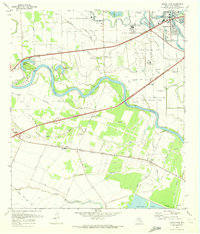 1970 Sugar Land1973 Print · USGSFort Bend County reveals its transition from rural prison farming to suburban expansion in the early seventies. Genealogists and researchers can trace family landmarks like Thompson Chapel, Sandberry Cem, and old rail stops at Crabb and Booth.3 unique versions available
 - 1971 Map of Orchard, 1973 Print
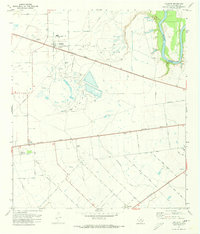 1971 Orchard1973 Print · USGSFort Bend County in the early 1970s shows a landscape defined by the Brazos River and a booming petroleum economy. You can trace industrial roots at the Orchard Dome Oil and Gas Field or locate local landmarks like the Cotton Gin in Tavener.3 unique versions available
 - 1971 Map of Richmond, 1973 Print
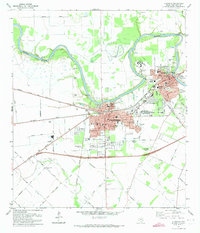 1971 Richmond1973 Print · USGSRichmond and Rosenberg appear during a period of steady growth along the Brazos River in the early seventies. Researchers can trace numerous burial sites and landmarks like Morton Cem, Richmond State Sch, and the Southern Pacific rail lines.2 unique versions available
 - 1975 Map of Houston, 1977 Print
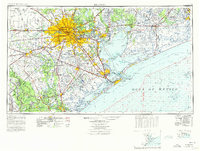 1975 Houston1977 Print · USGSThe Texas Gulf Coast in the mid-seventies shows a sprawling Houston metropolis linked to the sea by the massive Houston Ship Channel. Researchers can trace the mid-century industrial landscape from the Astrodome to the Lyndon B. Johnson Space Center.2 unique versions available
 - 1984 Map of Angleton
 1984 Angleton1984 Print · USGSThe Texas Gulf Coast in the mid-eighties shows a landscape of salt domes and bayous at the height of its oil-and-river economy. Researchers can trace land use through the Damon Mound Oil Field and the sprawling State Department of Corrections (Retrieve Unit).2 unique versions available
 - 1992 Map of Houston
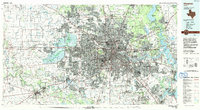 1992 Houston1992 Print · USGSThe Houston metropolitan area reached its modern sprawl in the early nineties, centered on the Buffalo Bayou and a massive regional rail network. Genealogists and historians can trace the development of satellite cities like Sugar Land and Pasadena, or locate legacy sites like the Humble Oil Field and the NASA Lyndon B Johnson Space Center.
 - 1995 Map of Sugar Land, 1999 Print
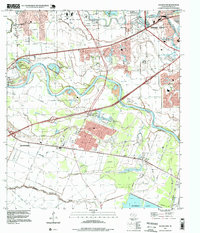 1995 Sugar Land1999 Print · USGSFort Bend County in the mid-1990s shows a unique landscape where suburban growth meets large-scale institutional land use. Researchers can trace historic local sites like Crabb, the Sandberry Cem, and the sprawling Jester State Prison Farm.
 - 2010 Map of Kendleton, 2010 Print
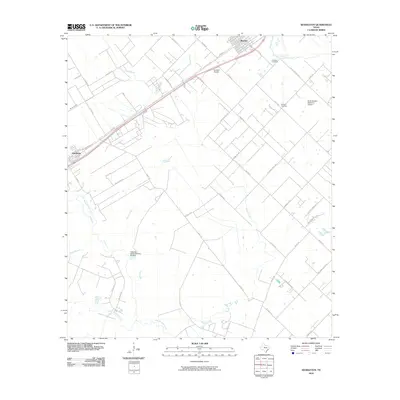 2010 Kendleton2010 Print · USGSFort Bend County's coastal prairie comes into focus in this 2010 survey of the Beasley and Kendleton area. Genealogists and local researchers can locate Friedens Cemetery and Modena Cemetery or trace the banks of the San Bernard River.
 - 2010 Map of Richmond, 2010 Print
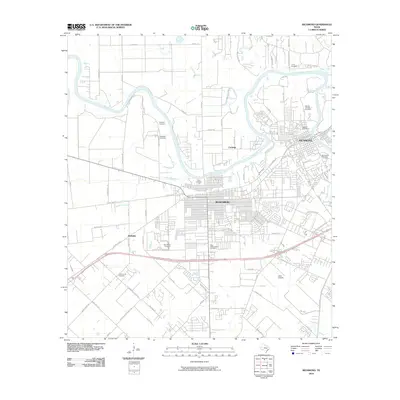 2010 Richmond2010 Print · USGSThe Brazos River landscape at the start of the 2010s shows the rapid integration of agricultural land into the residential fabrics of Richmond and Rosenberg. Researchers can trace local heritage through numerous sites like Morton Cemetery or find early aviation history at Lane Airpark.
 - 2010 Map of Sugar Land, 2010 Print
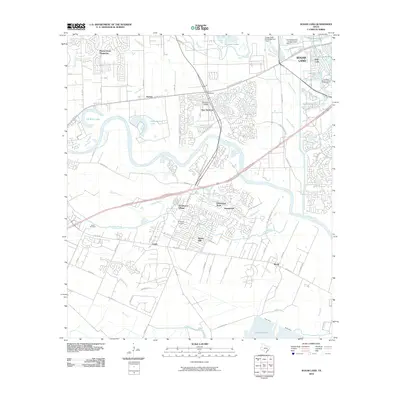 2010 Sugar Land2010 Print · USGSFort Bend County's rapid suburban growth meets its agricultural past in the first decade of the millennium. Genealogists and local historians can trace family landmarks at Jones Cemetery, the historic community of Booth, and Thompson Chapel.
 - 2010 Map of Needville, 2010 Print
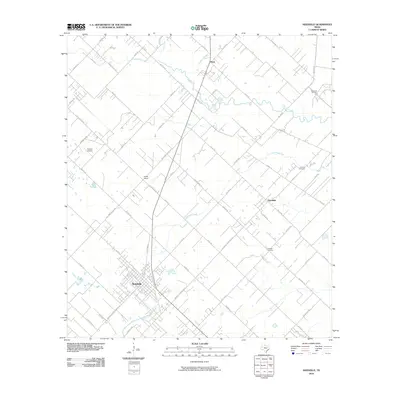 2010 Needville2010 Print · USGSFort Bend County in the early twenty-first century shows a landscape where rural tradition and oil industry meet. Trace family history at Concord Cemetery or study the legacy of the Big Creek Oil Field and the layout of Needville.
 - 2010 Map of Orchard, 2010 Print
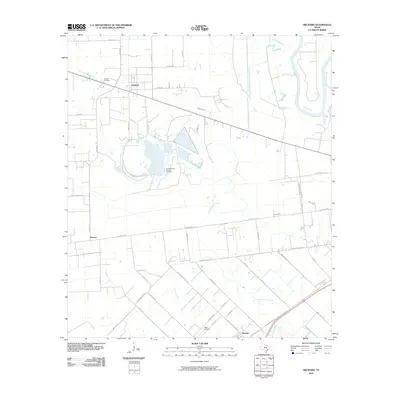 2010 Orchard2010 Print · USGSThe Texas coastal plain around Orchard is shown here in the early 2000s, where energy production meets rural agriculture. Researchers can trace the industrial Orchard Dome Oil and Gas Field, locate Orchard Cemetery, and follow the banks of the Brazos River.
 - 2013 Map of Kendleton, 2013 Print
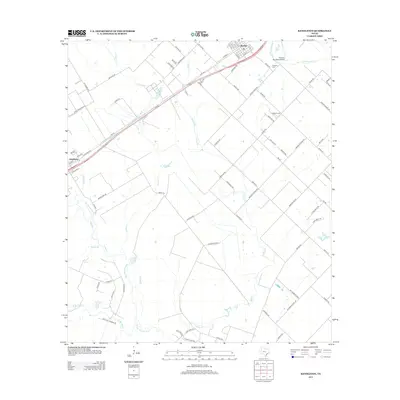 2013 Kendleton2013 Print · USGSIn the river-bottom lands of Fort Bend County, this 2013 survey captures the rural character and expanding infrastructure near the San Bernard River. Researchers can trace local heritage at Friedens Cemetery and Modena Cemetery or follow the grids of Beasley and Kendleton.
 - 2013 Map of Needville, 2013 Print
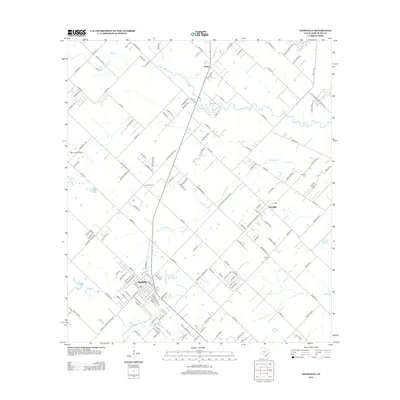 2013 Needville2013 Print · USGSFort Bend County's coastal prairie comes into focus in this early twenty-first century survey. Genealogists and local historians can trace the community layouts of Needville and Fairchilds alongside landmarks like Concord Cem and the Foster School.
 - 2013 Map of Richmond, 2013 Print
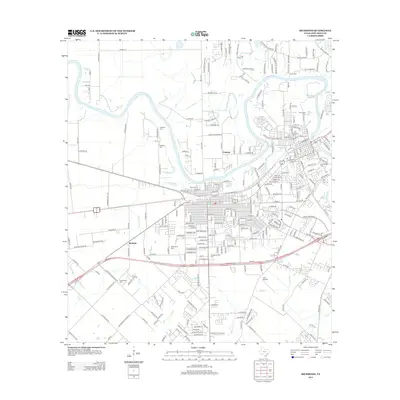 2013 Richmond2013 Print · USGSFort Bend County during the early twenty-first century reveals a landscape shaped by the Brazos River and a deep-rooted community history. Genealogists and local historians can trace family ties through numerous sites including Morton Cem, Lightfoot Cem, and the small settlement of McHattie.
 - 2013 Map of Orchard, 2013 Print
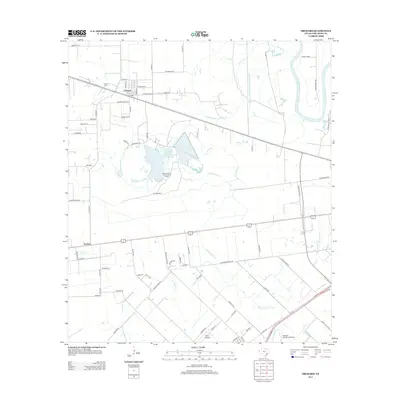 2013 Orchard2013 Print · USGSFort Bend County during the early 2010s shows a mix of traditional ranching and modern aviation infrastructure west of the river. Genealogists and local historians can trace family-named roads like Albert Marek Rd and find the industrial footprints of the Orchard Dome Oil and Gas Field.
 - 2013 Map of Sugar Land, 2013 Print
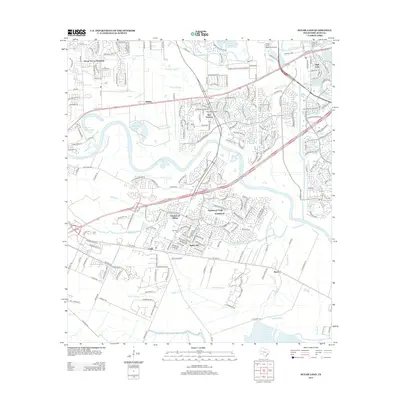 2013 Sugar Land2013 Print · USGSFort Bend County during its twenty-first-century growth phase shows a fascinating mix of large-scale suburban developments and older rural settlements. Genealogists and local historians can trace legacy sites like Sandberry Cem, Thompson Chapel, and the historic Pecan Grove Plantation.
 - 2016 Map of Richmond, 2016 Print
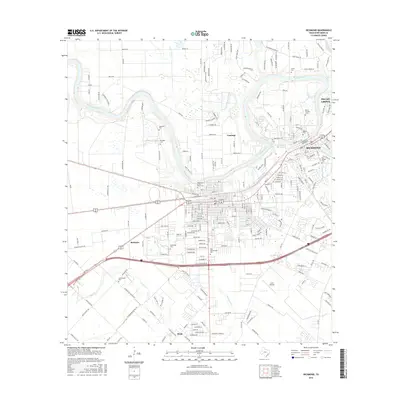 2016 Richmond2016 Print · USGSFort Bend County comes into sharp focus during this period of 21st-century growth along the Brazos River. Researchers can trace old property lines and family heritage through an abundance of local burial sites, including Morton Cem, Rosenberg Cem, and McNabb Cem.
 - 2016 Map of Sugar Land, 2016 Print
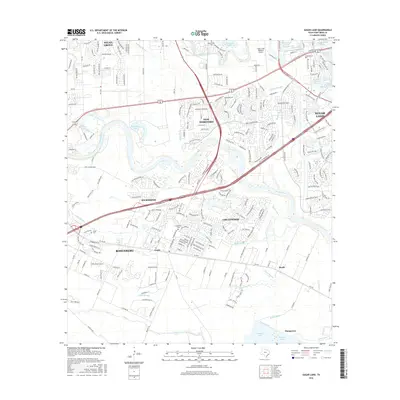 2016 Sugar Land2016 Print · USGSFort Bend County's transition from river-bottom lands to major suburban centers is captured here in the mid-2010s. Researchers can locate historic burial sites like Jones Cem and trace the winding course of the Brazos River past Richmond and Rosenberg.
Showing maps 1-25 of 38
Top cities near Rosenberg
- Houston historical maps
- Sugar Land historical maps
- Katy historical maps
- Richmond historical maps
- Brookshire historical maps
- Needville historical maps
See more
Top neighborhoods of Rosenberg
Frequently asked questions
- What are the different types of historical maps available for Rosenberg?
- What is the oldest map of Rosenberg?
- Where can I purchase historical maps of Rosenberg for my home or office?
- Where can I download high-res historical maps of Rosenberg?
- Are there historical topographic maps available for Rosenberg?
- Is there historical aerial imagery available for Rosenberg?
- Where are historical maps of Rosenberg sourced from?