Old Maps of Forsan, Texas for Academic Research
Study the evolution of Forsan with 11 high-resolution historic maps. Whether you're teaching, researching, or modeling changes in land use, these maps provide essential visual documentation of urban, environmental, and geographic change.
- Analyze long-term change: Track patterns in development, transportation, and natural features.
- Ideal for environmental or urban studies: Support academic projects with primary historical map data.
- Use in the classroom or lab: Educators and researchers rely on these maps to bring historical context to life.
These maps are a powerful tool for teaching, research, and visualizing how Forsan has changed over the decades.
Forsan, TX maps
(11)- 1941 Map of Big Spring South, 1949 Print
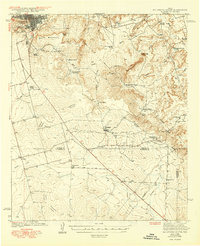 1941 Big Spring South1949 Print · USGSHoward County ranching and early oil development are captured here in the late thirties. Genealogists can trace family holdings like W T Roberts Ranch and find rural landmarks such as Chalk Sch or the remote Hollis siding.2 unique versions available
 - 1942 Map of Big Spring South
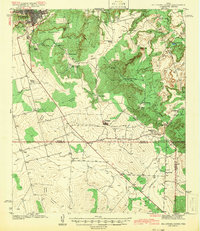 1942 Big Spring South1942 Print · USGSThe West Texas ranchlands south of Big Spring come alive in this late Depression-era survey. Genealogists and historians can locate family landmarks like the Wasson Ranch, Panther Draw Sch, and the early oil-era settlement of Forsan.
 - 1954 Map of Big Spring, 1965 Print
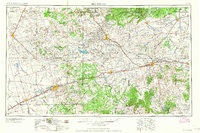 1954 Big Spring1965 Print · USGSWest Texas in the mid-1950s shows a landscape of growing oil towns and vital rail links along the Texas and Pacific RR. Researchers can trace the development of Big Spring, find smaller settlements like Knott and Lomax, or locate landmarks such as Boyds Chapel and Signal Mountain.4 unique versions available
 - 1958 Map of Big Spring
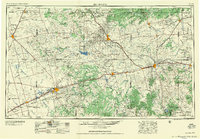 1958 Big Spring1958 Print · USGSThe West Texas oil boom was in full swing during the late fifties, transforming the landscape around Howard and Mitchell counties. Genealogists and historians can trace the growth of Big Spring and Snyder alongside industrial landmarks like the Kelly-Snyder Oil Field and the Santa Fe rail lines.
 - 1971 Map of Forsan, 1974 Print
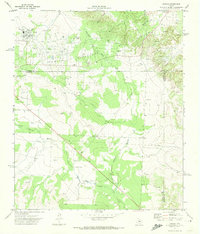 1971 Forsan1974 Print · USGSSettled along the Howard and Glasscock county lines in the early 1970s, this area shows a landscape defined by the North Concho River. Researchers can trace the local infrastructure of Forsan and Ross City, locating the High Sch and Cem.
 - 1986 Map of Big Spring
 1986 Big Spring1986 Print · USGSWest Texas in the mid-eighties was a landscape defined by the deep roots of the petroleum industry and the path of the railroad. You can trace the expansive Snyder Oil Field, follow the Missouri Pacific line, or locate rural centers like Coahoma and Knott.2 unique versions available
 - 2010 Map of Forsan, 2010 Print
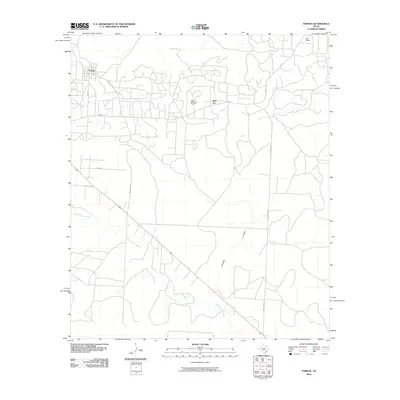 2010 Forsan2010 Print · USGSThis Howard County landscape in the early 2000s reflects the deep integration of oil production and rural Texas life. Researchers can trace the layout of Forsan and Ross City or locate family lands near the Howard Glasscock Oil Field and the North Concho River.
 - 2012 Map of Forsan, 2012 Print
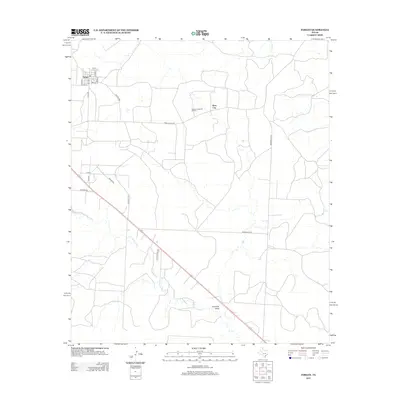 2012 Forsan2012 Print · USGSIn the early 21st century, the oil-rich landscape of West Texas is defined by its industrial heritage and rural settlements. Researchers can trace the layout of the Howard Glasscock Oil Field and the local street grids of Forsan and Ross City.
 - 2016 Map of Forsan, 2016 Print
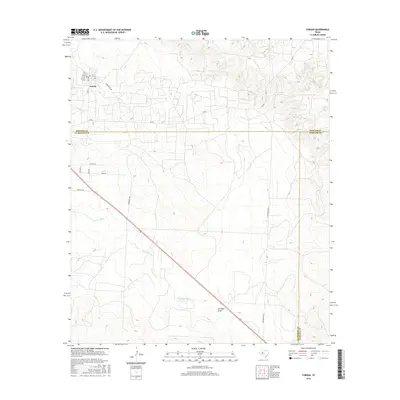 2016 Forsan2016 Print · USGSWest Texas ranching country comes into focus in this recent survey of the Howard and Glasscock county line. Genealogists and local historians can trace the rural road network and water sources like Cannibal Draw and the N Concho River near the town of Forsan.
 - 2019 Map of Forsan, 2019 Print
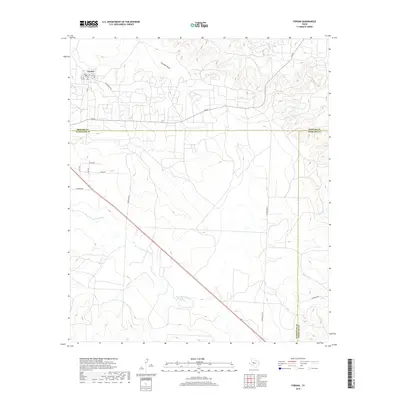 2019 Forsan2019 Print · USGSThe community of Forsan and its surrounding ranch lands appear here in recent years at the crossroads of Howard, Glasscock, and Sterling counties. Trace local landmarks from the PO in town out to the rural draws and the banks of the N Concho River.
 - 2022 Map of Forsan, 2022 Print
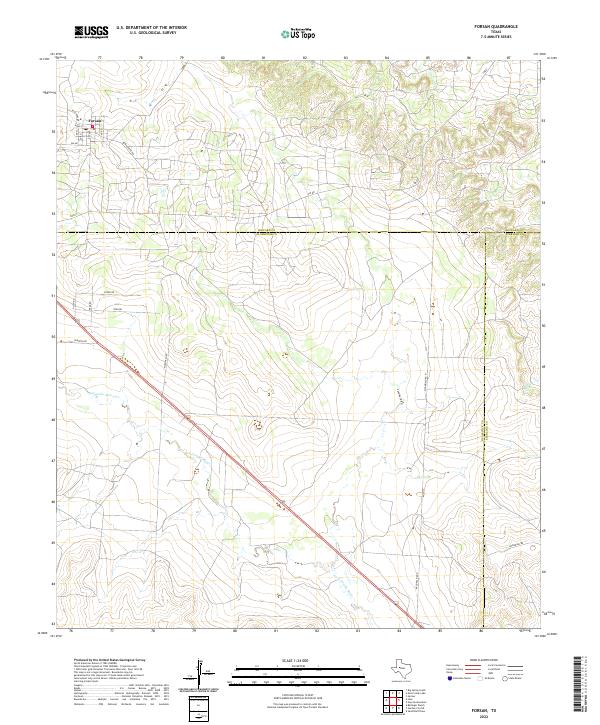 2022 Forsan2022 Print · USGSThe West Texas town of Forsan sits at a crossroads of ranching and river drainage in the early 2020s. Genealogists and local historians can trace the three-county borders and specific land-access routes like Sisson Rd near the N Concho River.
End of results
Showing maps 1-11 of 11
Top cities near Forsan
Frequently asked questions
- What are the different types of historical maps available for Forsan?
- What is the oldest map of Forsan?
- Where can I purchase historical maps of Forsan for my home or office?
- Where can I download high-res historical maps of Forsan?
- Are there historical topographic maps available for Forsan?
- Is there historical aerial imagery available for Forsan?
- Where are historical maps of Forsan sourced from?