1900s (20th Century) Maps of Wolfforth, Texas
Explore 15 historic maps of Wolfforth from the 1900s (20th Century). These maps offer a rare glimpse into what life looked like during the 1900s — showing old roads, neighborhoods, homes, and landmarks that have changed or disappeared over time.
Whether you're researching your family's past, planning a metal detecting trip, or studying how Wolfforth's landscape evolved across the 1900s, these high-resolution maps are a powerful tool for exploring the history of this region.
- Focus on a specific era: All maps on this page are from the 1900s, giving you a focused view of this time period.
- See what’s changed: Compare century-old streets, trails, and buildings to today's modern landscape using overlays and satellite layers.
- Research with precision: Use these maps for genealogy, historical research, land use analysis, or educational projects.
- View, download, or print: Maps are fully viewable online in high resolution, and can be downloaded or printed for your own records.
Start exploring Wolfforth's history through authentic maps from the 1900s. This is your window into the past.
Wolfforth, TX maps
(15)- 1954 Map of Lubbock, 1958 Print
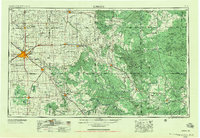 1954 Lubbock1958 Print · USGSThe High Plains and Caprock region of West Texas come alive in the mid-1950s, showing a landscape defined by oil discovery and the Brazos River headwaters. Genealogists and historians can trace rail-connected towns like Roaring Springs, find the Pleasant Valley church, or locate family-named landmarks such as Soldier Mound.4 unique versions available
 - 1954 Map of Brownfield, 1975 Print
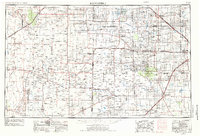 1954 Brownfield1975 Print · USGSThe High Plains of the Texas-New Mexico border are captured here in the mid-twentieth century, as ranching and oil extraction shaped the Llano Estacado. Genealogists and historians can trace small rural centers like Lums Chapel, Hillburn City, and the Friendship Sch amid a landscape of windmills.2 unique versions available
 - 1957 Map of Lubbock West, 1958 Print
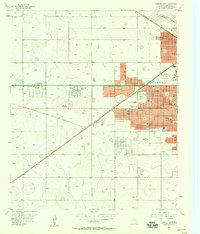 1957 Lubbock West1958 Print · USGSLubbock and its western fringes are shown in the late fifties during a period of rapid institutional and residential growth. Genealogists and local historians can trace the early layout of the Texas Technological College campus and locate community landmarks like Resthaven Cemetery and Carlisle.3 unique versions available
 - 1957 Map of Lubbock, 1958 Print
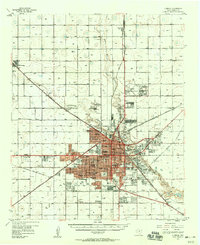 1957 Lubbock1958 Print · USGSLubbock and its surrounding High Plains communities are captured here in the late fifties during a period of steady growth. Researchers can trace local genealogy and land use through landmarks like City Cemetery, Antioch Sch, and the Lubbock Municipal Airport.
 - 1957 Map of Meadow, 1958 Print
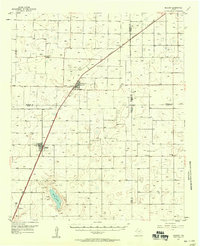 1957 Meadow1958 Print · USGSThe West Texas cotton and rail corridor comes alive in this mid-century survey of the High Plains. Genealogists and local historians can trace the foundations of Meadow and Ropesville or locate family sites near Lakeview Ch and the Meadow Cem.
 - 1957 Map of Wolfforth, 1958 Print
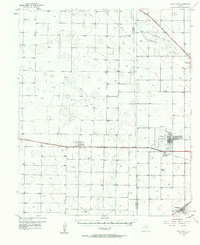 1957 Wolfforth1958 Print · USGSThe High Plains of West Texas are captured here in the late fifties as military and oil interests expanded. Researchers can trace the layout of Reese Air Force Base, find the Smyer Oil Field, and locate the Bradford Sch.
 - 1958 Map of Brownfield
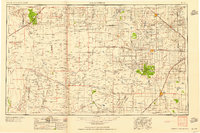 1958 Brownfield1958 Print · USGSThe High Plains of the Texas-New Mexico border are captured here during a mid-century oil boom. Genealogists and historians can trace old community sites like Lums Chapel and Tokio alongside the vast Levelland and Slaughter Oil and Gas Field.
 - 1962 Map of Brownfield
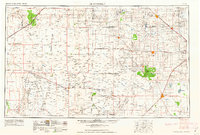 1962 Brownfield1962 Print · USGSThe High Plains of Texas and New Mexico are captured in the early sixties as a thriving hub of oil production and ranching. Researchers can trace the industrial footprint of the Levelland and Slaughter Oil and Gas Field or locate smaller towns like Sundown and Littlefield.
 - 1976 Map of Wolfforth SE, 1978 Print
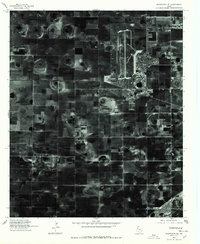 1976 Wolfforth SE1978 Print · USGSLubbock County agricultural and military life are preserved in this 1970s aerial survey. Trace the layout of the airfield at Reese Village and see the early development of Wolfforth amidst a patchwork of center-pivot irrigation fields.
 - 1976 Map of Meadow NE, 1978 Print
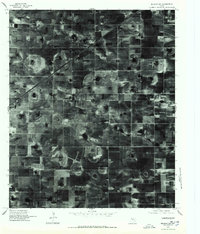 1976 Meadow NE1978 Print · USGSAgricultural patterns dominate the Lubbock County landscape in the mid-seventies, showing the precise grid of West Texas farming. Researchers can locate family operations like the Mc Nabb Farm Airport and trace the evolution of local irrigation systems.
 - 1985 Map of Wolfforth
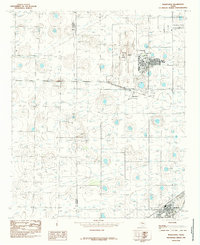 1985 Wolfforth1985 Print · USGSLubbock and Hockley counties are captured here in the mid-1980s, showcasing the intersection of military life and West Texas plains settlement. Researchers can trace the layout of Reese Air Force Base, the growing town of Wolfforth, and the small community of Hurlwood.
 - 1985 Map of Busterville
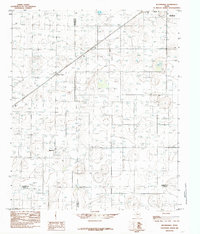 1985 Busterville1985 Print · USGSWest Texas ranching and farming lands are documented here in the mid-eighties as Lubbock-area communities expanded. Local historians can trace the early layouts of Wolfforth and Busterville, alongside landmarks like the local Airport and Farm Center.
 - 1985 Map of Brownfield, 1986 Print
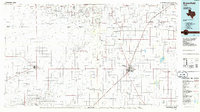 1985 Brownfield1986 Print · USGSThe South Plains of West Texas are shown here in the mid-1980s, revealing a landscape defined by massive petroleum operations and scattered rural townships. Genealogists and historians can trace the development of Brownfield and Sundown alongside the Atchison Topeka and Santa Fe rail line.2 unique versions available
 - 1985 Map of Levelland, 1986 Print
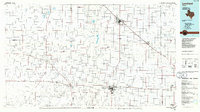 1985 Levelland1986 Print · USGSThe West Texas High Plains are captured here in the mid-eighties as oil production and agriculture defined the region's economy. Researchers can trace the sprawling Levelland and Slaughter Oil and Gas Field or locate rural landmarks like Lums Chapel and South Plains College.2 unique versions available
 - 1986 Map of Lubbock
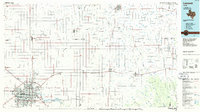 1986 Lubbock1986 Print · USGSLubbock and the surrounding High Plains are documented in the mid-eighties as a structured grid of agricultural tracts and growing urban centers. Genealogists and local historians can trace family-named areas like Heckville, old rail stops on the Atchison Topeka and Santa Fe, and the winding path of Yellow House Canyon.2 unique versions available
End of results
Showing maps 1-15 of 15
Top cities near Wolfforth
- Lubbock historical maps
- Shallowater historical maps
- New Deal historical maps
- Meadow historical maps
- Smyer historical maps
- Ropesville historical maps
See more
Frequently asked questions
- What are the different types of historical maps available for Wolfforth?
- What is the oldest map of Wolfforth?
- Where can I purchase historical maps of Wolfforth for my home or office?
- Where can I download high-res historical maps of Wolfforth?
- Are there historical topographic maps available for Wolfforth?
- Is there historical aerial imagery available for Wolfforth?
- Where are historical maps of Wolfforth sourced from?