Old Maps of McLennan County, Texas for Metal Detecting
Plan your next treasure hunt with 206 historic maps of McLennan County. Find old homesites, ghost towns, trails, and gathering spots that may be lost to time — perfect for identifying promising metal detecting locations.
- Locate forgotten sites: Uncover places like long-lost settlements, abandoned rail lines, or gathering spots.
- Plan better hunts: Use map overlays combined with LiDAR or satellite views to narrow in on historically rich areas.
- Made for detectorists: Thousands of hobbyists use these maps to discover relics, coins, and hidden history.
Use these historic maps to boost your research and find new opportunities beneath the surface of McLennan County.
McLennan County, TX maps
(206)- 1888 Map of Meridian
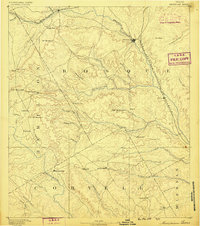 1888 Meridian1888 Print · USGSBosque and Coryell counties are shown here in the 1880s as the rail lines began to redefine the frontier landscape. Genealogists can locate early settlements like Turnersville, Cranfills Gap, and the rail junction at Meridian.
 - 1892 Map of Temple
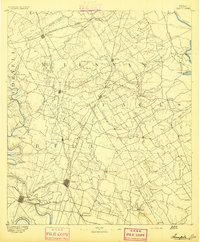 1892 Temple1892 Print · USGSTexas at the turn of the century shows a landscape defined by emerging railroad junctions and river settlements. Genealogists can trace early homesteads and rail-town growth in Temple, McGregor, and Belton near the banks of the Leon River.6 unique versions available
 - 1892 Map of Waco
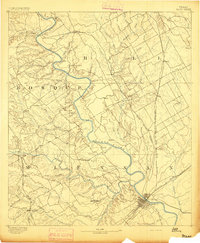 1892 Waco1892 Print · USGSCentral Texas was rapidly expanding during the 1890s as a rail and river commerce hub. Genealogists and researchers can trace the early footprints of Waco and its surrounding communities like China Springs, Valley Mills, and West along five distinct railway lines.6 unique versions available
 - 1894 Map of Meridian
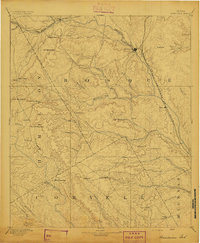 1894 Meridian1894 Print · USGSBosque and Coryell counties are shown in the late nineteenth century as the railroads began to reshape the cattle frontier. Genealogists and local historians can trace early settlements and community landmarks like Norse, Cranfills Gap, and Turnersville.3 unique versions available
 - 1894 Map of Gatesville
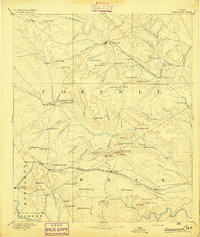 1894 Gatesville1894 Print · USGSCentral Texas in the late nineteenth century was a landscape of expanding rail lines and established river settlements. Genealogists can trace family names across Pidcock Ranch, Fort Gates, and Coperas Cove, while following the path of the St. Louis Arkansas and Texas Railroad.4 unique versions available
 - 1920 Map of Waco
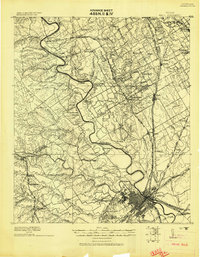 1920 Waco1920 Print · USGSWaco and its surrounding rail corridors are captured in high detail shortly after the first World War. Researchers can trace the legacy of Rifle Range Camp MacArthur and vanished river crossings like Greenwoods Ferry and Old Towash.
 - 1920 Map of Mart
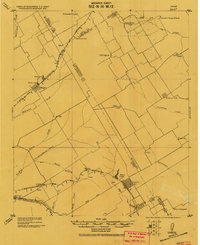 1920 Mart1920 Print · USGSCentral Texas at the dawn of the 1920s shows a landscape of busy rail junctions and small post office hubs. Researchers can trace rural lineages through William's School, the community at Axtell P.O., and the Navasota River bottomlands.
 - 1924 Map of Waco 4-c
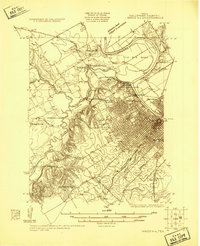 1924 Waco 4-c1924 Print · USGSWaco and its river valley are captured here in the mid-1920s as the city expanded across the Brazos. Researchers can trace historic river crossings like Walkers Crossing, find the original Cotton Palace site, or locate family-named routes such as Robinsonville Road.
 - 1924 Map of Waco 3-d
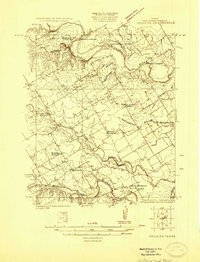 1924 Waco 3-d1924 Print · USGSMcLennan County in the mid-twenties shows a landscape of river fords and emerging petroleum sites. Genealogists can locate family landmarks like Lone Hill Church or Windsor and trace old river routes through Lowell Crossing and the South Bosque Oil Fields.
 - 1924 Map of Temple 2-C
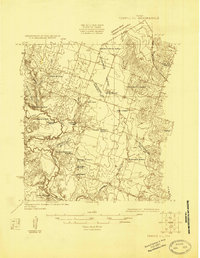 1924 Temple 2-C1924 Print · USGSCentral Texas farming communities and river crossings are captured here in the mid-1920s across the Bell, Coryell, and McLennan county lines. Genealogists can trace family footprints at Haunted Hill School, Whitson, and the German Lutheran Church.
 - 1931 Map of Whitney
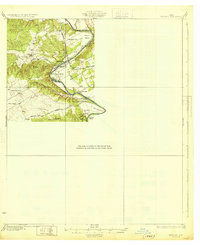 1931 Whitney1931 Print · USGSCentral Texas river life in the early twenties centers on the winding Brazos River before the era of modern dams. Genealogists can trace local school districts like Crackerbox Sch and river crossings such as Greenwade Bridge.2 unique versions available
 - 1931 Map of Valley Mills
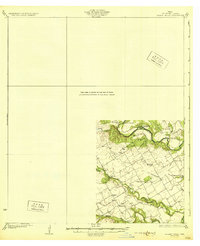 1931 Valley Mills1931 Print · USGSCentral Texas river valleys define the landscape in the mid-1920s, showing a rural network of farm-to-market crossings. Genealogists can trace family footprints near Speegleville or old meeting spots like Shiloh Ch and Caldwell Crossing.2 unique versions available
 - 1931 Map of Elm Mott
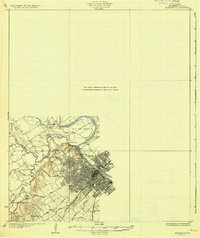 1931 Elm Mott1931 Print · USGSThe Waco area in the early thirties shows the city expanding toward the confluence of the Brazos and Bosque Rivers. Researchers can trace family roots through East Waco and McArthur Heights or locate rural landmarks like Whitehall Ch and Cameron Bridge.3 unique versions available
 - 1931 Map of Mc Gregor
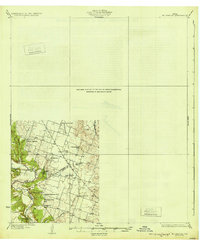 1931 Mc Gregor1931 Print · USGSCentral Texas rural life in the twenties is preserved here, showing a landscape densely dotted with family-named schools and country churches. Genealogists can trace ancestors through specific landmarks like Haunted Hill Sch, Blair Chapel, and the community at Eagle Springs.2 unique versions available
 - 1931 Map of Belton, 1949 Print
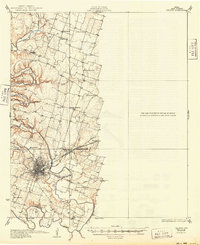 1931 Belton1949 Print · USGSBell County in the 1920s and 30s reveals a landscape of river-valley farming and bustling railroad junctions centered on the county seat. Genealogists and historians can trace early community life through numerous rural landmarks like Moffat Sch, Tennessee Valley Ch, and the Belton and Temple Electric R R.
 - 1947 Map of Oglesby, 1953 Print
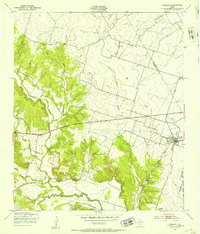 1947 Oglesby1953 Print · USGSOglesby and the surrounding Coryell County countryside are documented here in the years following the war. Researchers can trace the St Louis Southwestern rail line and locate community landmarks like Pecan Grove Ch and Post Oak Cem.
 - 1950 Map of Gatesville, 1953 Print
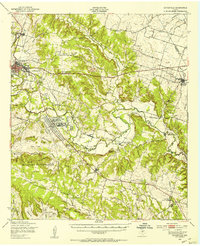 1950 Gatesville1953 Print · USGSCoryell County is captured here in the mid-twentieth century, showing the growing overlap between civilian life and the military footprint at North Fort Hood. Researchers can trace rural lineages through sites like Mound Cem, Leon Junction Sch, and the long-established State Reform School.
 - 1954 Map of Waco, 1964 Print
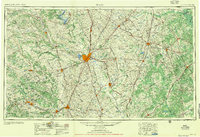 1954 Waco1964 Print · USGSCentral Texas during the mid-fifties shows a landscape defined by the expansion of Fort Hood Military Reservation and the Brazos river system. Trace the rail lines and early airfields like James Connally Air Force Base and settlements like Temple or McGregor.2 unique versions available
 - 1955 Map of Waco
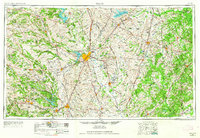 1955 Waco1955 Print · USGSCentral Texas at the peak of the Cold War reveals a landscape defined by military expansion and major water projects. Researchers can trace the footprints of Fort Hood, the waters of Lake Waco, and regional hubs like Temple or Mexia.
 - 1955 Map of Coryell, 1956 Print
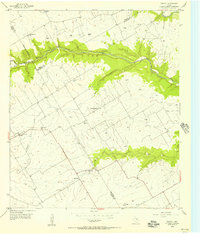 1955 Coryell1956 Print · USGSCentral Texas ranching country comes into focus in the mid-1950s where three counties meet along the Middle Bosque River. Researchers can trace old family sites near Osage Sch, find the Sadler Cem, or locate the Prairie Chapel Sch.2 unique versions available
 - 1956 Map of Mosheim, 1957 Print
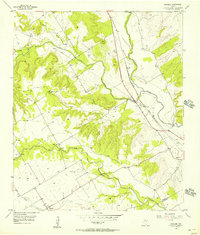 1956 Mosheim1957 Print · USGSThe Bosque and McLennan county line comes alive in the mid-1950s, showing a rural landscape shaped by the Bosque River and central Texas rail lines. Genealogists and local historians can trace family roots through the Terrell Cemetery, Searsville Ch, and the small settlement of Mosheim.2 unique versions available
 - 1956 Map of Penelope, 1957 Print
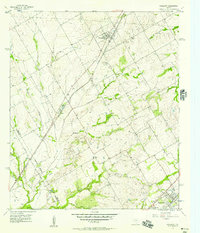 1956 Penelope1957 Print · USGSThe Blackland Prairie of Hill and McLennan Counties was deeply tied to the Missouri Pacific railroad in the mid-fifties. Genealogists can trace family footprints through numerous rural burial sites like the Czech National Cem, Tabola Cem, and George Newton Cem.2 unique versions available
 - 1956 Map of Axtell, 1957 Print
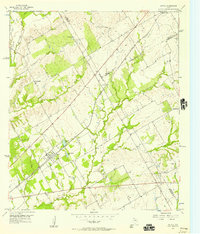 1956 Axtell1957 Print · USGSMid-century McLennan and Hill counties appear here at a busy rail-and-creek intersection just before significant modernization. Genealogists can trace rural family roots at TK Cem or Shead Cem, and follow the St Louis Southwestern rail line through Axtell.2 unique versions available
 - 1956 Map of West, 1957 Print
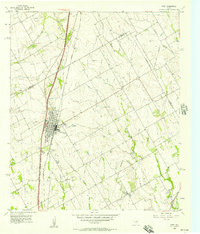 1956 West1957 Print · USGSWest and the McLennan-Hill county line are captured here in the mid-1950s at a peak of rail and road connectivity. Researchers can trace family roots at National Cem or locate community hubs like the St Martins Sch and the local Rodeo Stadium.2 unique versions available
 - 1956 Map of Mosheim, 1957 Print
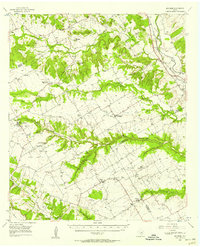 1956 Mosheim1957 Print · USGSCentral Texas rural life in the mid-fifties is captured here across the Bosque, Coryell, and McLennan county lines. Genealogists can trace legacy sites from the Norway Mill to numerous local landmarks like Lanes Chapel and the Crossroad Store.
Showing maps 1-25 of 206
Top cities of McLennan County
- Waco historical maps
- Hewitt historical maps
- Robinson historical maps
- Bellmead historical maps
- Woodway historical maps
- Lacy Lakeview historical maps
See more
Frequently asked questions
- What are the different types of historical maps available for McLennan County?
- What is the oldest map of McLennan County?
- Where can I purchase historical maps of McLennan County for my home or office?
- Where can I download high-res historical maps of McLennan County?
- Are there historical topographic maps available for McLennan County?
- Is there historical aerial imagery available for McLennan County?
- Where are historical maps of McLennan County sourced from?