Old Maps of Manor, Texas for Metal Detecting
Plan your next treasure hunt with 37 historic maps of Manor. Find old homesites, ghost towns, trails, and gathering spots that may be lost to time — perfect for identifying promising metal detecting locations.
- Locate forgotten sites: Uncover places like long-lost settlements, abandoned rail lines, or gathering spots.
- Plan better hunts: Use map overlays combined with LiDAR or satellite views to narrow in on historically rich areas.
- Made for detectorists: Thousands of hobbyists use these maps to discover relics, coins, and hidden history.
Use these historic maps to boost your research and find new opportunities beneath the surface of Manor.
Manor, TX maps
(37)- 1885 Map of Bastrop
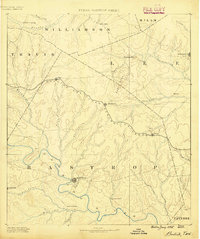 1885 Bastrop1885 Print · USGSCentral Texas was undergoing a rail-driven transformation in the late nineteenth century as steam power connected the frontier to the Gulf. Genealogists can trace family names and old homesites near Rice's Crossing, Hills Prairie, and along the vital Houston and Texas Central Railroad.
 - 1893 Map of Bastrop
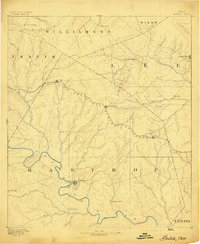 1893 Bastrop1893 Print · USGSBastrop and the Colorado River valley are captured here in the late nineteenth century as the railroad transformed the Texas interior. Researchers can trace early property lines and community centers like Lexington, McDade, and the high vistas of the Yegua Knobs.
 - 1896 Map of Austin
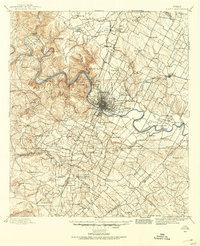 1896 Austin1896 Print · USGSAustin and its surrounding counties are shown in the mid-1890s, capturing the transition from frontier river crossings to a rail-centered regional hub. Researchers can trace historic river access points like Cameron Ferry alongside vanished landmarks such as Johnson's Institute and Moore & Berry's Store.
 - 1897 Map of Austin
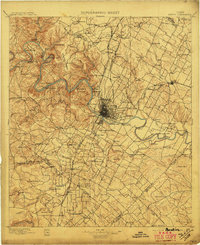 1897 Austin1897 Print · USGSTexas in the late 1890s reveals a capital city defined by its river and an expanding railroad network. Genealogists and historians can trace family-named landmarks and early centers of learning like Saint Edward's College, Johnson's Institute, and Anderson Mill.
 - 1904 Map of Bastrop
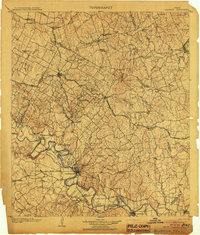 1904 Bastrop1904 Print · USGSBastrop and Smithville thrive along the Colorado River at the turn of the century, serving as vital hubs for the Texas interior. Trace ancestral roots and old transport routes through Nashs Ferry, the Coal Mine near Sayersville, and Colorado Chapel.3 unique versions available
 - 1910 Map of Austin
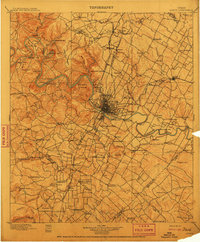 1910 Austin1910 Print · USGSAustin and the surrounding Travis County hill country are captured here at the start of the twentieth century. Genealogists and researchers can locate pioneer landmarks like Anderson Mill, Mc.Kinney Falls, and numerous river crossings including Lohmann Ford.3 unique versions available
 - 1948 Map of Elgin, 1969 Print
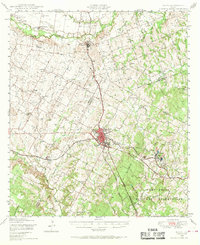 1948 Elgin1969 Print · USGSCentral Texas in the late 1940s was a landscape of rail-junction towns and emerging military training grounds. Genealogists can trace rural family legacies through sites like Youngs Prairie Cem, the Camp Swift Military Reservation, and Red Town Sch.2 unique versions available
 - 1950 Map of Elgin
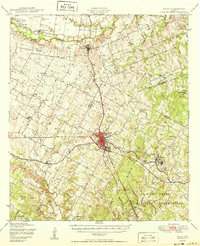 1950 Elgin1950 Print · USGSMid-century Elgin and the surrounding blackland prairies are shown here just as the local rail and brick industries were peaking. Researchers can trace family roots through numerous local sites like Youngs Prairie Cem, Coupland, and the Brickyards at Butler.
 - 1954 Map of Austin, 1964 Print
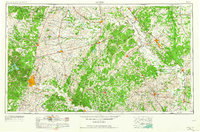 1954 Austin1964 Print · USGSCentral Texas is captured during a period of steady growth as the capital city and its neighboring farm towns began to modernize. Researchers can trace historic rail corridors like the Southern Pacific RR or locate landmarks such as Bergstrom Air Force Base and Pilot Knob.4 unique versions available
 - 1955 Map of Austin, 1956 Print
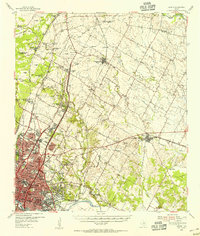 1955 Austin1956 Print · USGSAustin and its northern Travis County neighbors appear here in the mid-1950s, just as suburban growth began to reach toward the Williamson County line. Researchers can trace historic family locations and vanished institutions like the Travis County Tuberculosis Sanitarium, McNeil, and New Sweden.
 - 1968 Map of Manor, 1971 Print
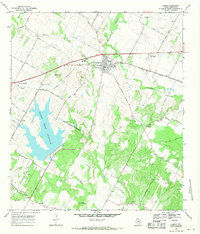 1968 Manor1971 Print · USGSNortheast of Austin in the late sixties, this area shows the growth of Manor along the Southern Pacific rail line. Researchers can trace numerous family burial grounds like Easley Cem and Glasscock Cem near the new Decker Creek Reservoir.3 unique versions available
 - 1968 Map of Pflugerville East, 1971 Print
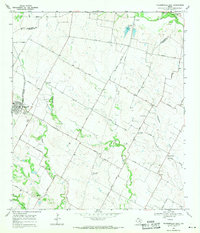 1968 Pflugerville East1971 Print · USGSThe rural countryside east of Pflugerville in the late sixties reveals a landscape of family farms and Swedish-German heritage. Trace early roads and burial sites like New Sweden, Germania Hall, and Pfluger Cem.3 unique versions available
 - 1982 Map of Coupland
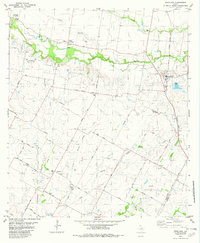 1982 Coupland1982 Print · USGSSettlements along the Williamson and Travis county line are captured here in the early eighties, centered on the railroad hub of Coupland. Researchers can trace rural heritage at sites like New Sweden Ch and family burial grounds including Bethlehem Cem.2 unique versions available
 - 1982 Map of Elgin West
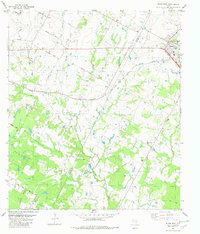 1982 Elgin West1982 Print · USGSNear the Travis and Bastrop county line in the early eighties, this area shows a landscape of winding creeks and rural rail stops. Genealogists can trace family footprints at Hog Eye Cem and Speir Cem or along the Southern Pacific tracks near Littig.
 - 1985 Map of Austin
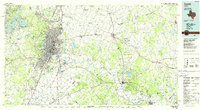 1985 Austin1985 Print · USGSCentral Texas in the mid-eighties reveals a region in transition, balancing rapid urban growth in Austin with deep-rooted rural landscapes. Genealogists and historians can trace family locations near St Johns Ch, the Science Hall schoolhouse, and long-standing communities like Webberville and Manchaca.3 unique versions available
 - 1987 Map of Pflugerville East, 1988 Print
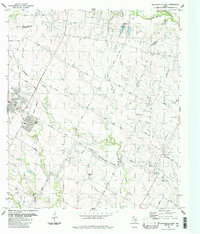 1987 Pflugerville East1988 Print · USGSThe rural stretches between Pflugerville and New Sweden are shown here just as the Austin suburbs began to expand in the late eighties. Researchers can locate family landmarks like Pfluger Cem, trace the Missouri Pacific line, and find small communities like Cele.
 - 1988 Map of Manor
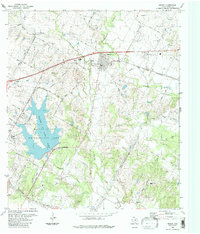 1988 Manor1988 Print · USGSNortheastern Travis County appears in the late eighties as Austin's city limits began to reach toward the farming community of Manor. Researchers can locate several historical burial sites including Rosehill Cem and Glasscock Cem, alongside the waters of Walter E Long Lake.
 - 2010 Map of Manor, 2010 Print
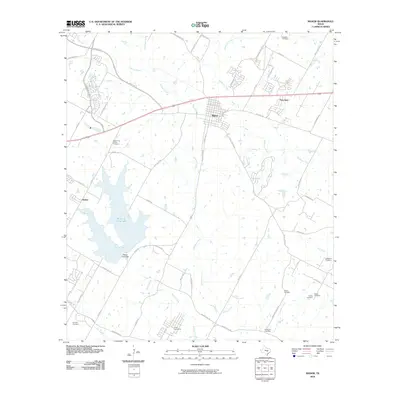 2010 Manor2010 Print · USGSManor and its surrounding Travis County ranch lands are captured here in the early twenty-first century as the area continued its transition from rural to suburban. Genealogists and historians can trace many family legacy sites, from Rosehill Cemetery and Decker Free Church to the small settlement of New Katy.
 - 2010 Map of Coupland, 2010 Print
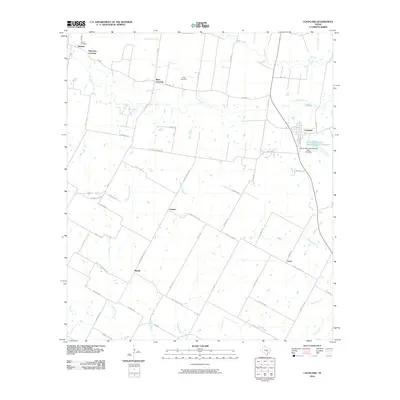 2010 Coupland2010 Print · USGSEastern Travis County and its agricultural heartland are detailed here in the early twenty-first century. Genealogists and local historians can trace the foundations of rural life through historic community centers like Coupland, Normans Crossing, and the Kimbro Cemetery.
 - 2010 Map of Elgin West, 2010 Print
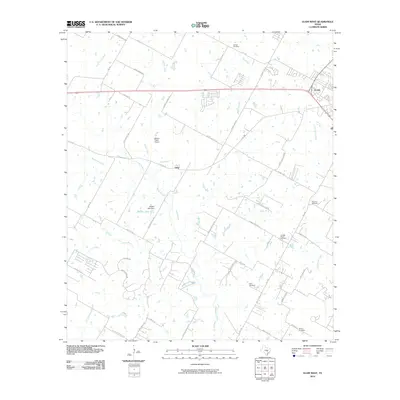 2010 Elgin West2010 Print · USGSWest of Elgin in the early 2000s, this area reflects the transition from established family farms to a growing rural-suburban corridor. Researchers can locate several historic burial sites like Schiller Cemetery and Speir Cemetery, or trace the paths of Wilbarger Creek and Littig Rd.
 - 2010 Map of Pflugerville East, 2010 Print
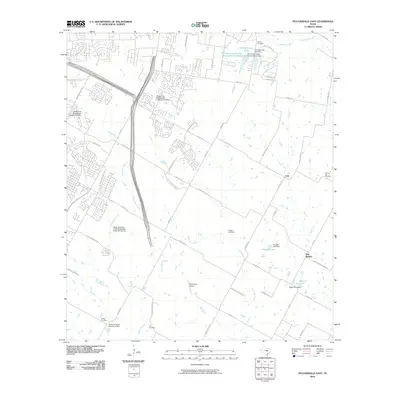 2010 Pflugerville East2010 Print · USGSNortheast Travis County is captured here during a pivotal shift from historic farming communities to suburban expansion. Genealogists can locate several family-named burial sites including Shiloh and Pfluger Cemetery, or trace the heritage of New Sweden and Cele.
 - 2012 Map of Coupland, 2012 Print
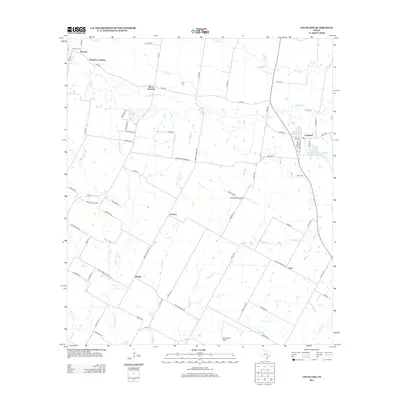 2012 Coupland2012 Print · USGSThe rural landscape between Manor and Coupland is captured here in the early twenty-first century, showing a network of historic crossings and small communities. Researchers can trace family roots at Kimbro Cem or locate the settlements of Lund and Manda.
 - 2012 Map of Elgin West, 2012 Print
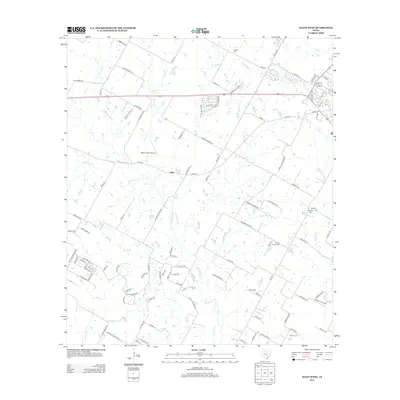 2012 Elgin West2012 Print · USGSEastern Travis County appears here in the early twenty-first century, a landscape of prairie creeks and deep-rooted Texas settlements. Genealogists and historians can trace numerous burial sites like Hog Eye Cem and Schiller Cem or the rural community of Littig.
 - 2013 Map of Pflugerville East, 2013 Print
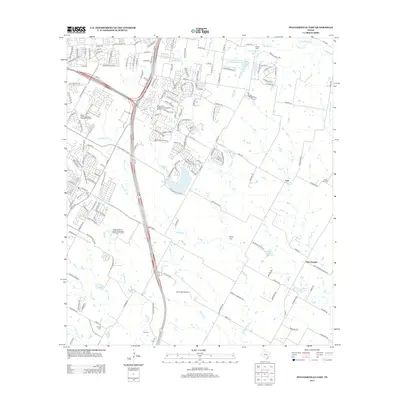 2013 Pflugerville East2013 Print · USGSThe northeastern Travis County countryside appears in a moment of rapid transition during the early twenty-first century. Genealogists and local historians can locate several family-named burial grounds like Pfluger Cem and Prairie Hill Cem, alongside the quiet settlements of Cele and New Sweden.
 - 2013 Map of Manor, 2013 Print
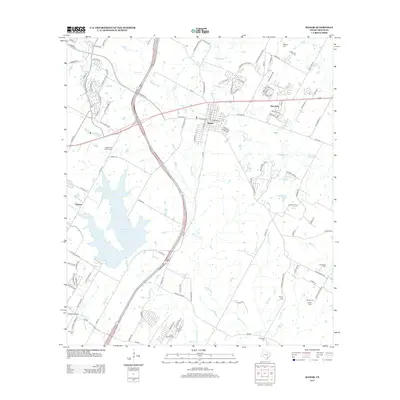 2013 Manor2013 Print · USGSEastern Travis County is seen here during a period of suburban expansion and lake development. Genealogists and local historians can trace family burial sites like Decker Free Church Cem and Jones Cemeteries or locate the settlement at New Katy.
Showing maps 1-25 of 37
Top cities near Manor
- Austin historical maps
- Round Rock historical maps
- Georgetown historical maps
- Pflugerville historical maps
- Hutto historical maps
- Taylor historical maps
See more
Top neighborhoods of Manor
- Stonewater historical maps
- Hamilton Point historical maps
- Presidential Glen historical maps
- Wildhorse Creek historical maps
Frequently asked questions
- What are the different types of historical maps available for Manor?
- What is the oldest map of Manor?
- Where can I purchase historical maps of Manor for my home or office?
- Where can I download high-res historical maps of Manor?
- Are there historical topographic maps available for Manor?
- Is there historical aerial imagery available for Manor?
- Where are historical maps of Manor sourced from?