Old Maps of Val Verde County, Texas for Academic Research
Study the evolution of Val Verde County with 462 high-resolution historic maps. Whether you're teaching, researching, or modeling changes in land use, these maps provide essential visual documentation of urban, environmental, and geographic change.
- Analyze long-term change: Track patterns in development, transportation, and natural features.
- Ideal for environmental or urban studies: Support academic projects with primary historical map data.
- Use in the classroom or lab: Educators and researchers rely on these maps to bring historical context to life.
These maps are a powerful tool for teaching, research, and visualizing how Val Verde County has changed over the decades.
Val Verde County, TX maps
(462)- 1941 Map of Standart, 1965 Print
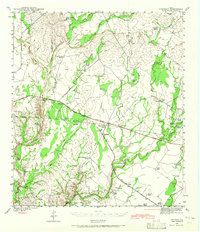 1941 Standart1965 Print · USGSKinney County ranching country is documented here in the early 1940s, showing the intersection of rail transport and rural livestock life. Family historians can locate specific homesteads like Belcher Ranch and the community Mud Creek Sch along the Southern Pacific tracks.2 unique versions available
 - 1941 Map of Feely, 1970 Print
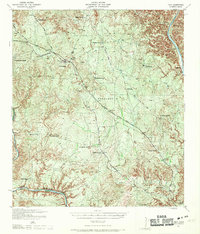 1941 Feely1970 Print · USGSThe borderlands of Val Verde County come to life in this early 1940s survey of the ranching country above the Rio Grande. Genealogists can trace family heritage through numerous named landmarks like Whitehead Ranch, Comstock, and the Brite Ranch rail siding.
 - 1943 Map of Carta Valley
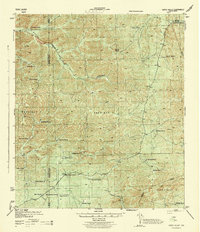 1943 Carta Valley1943 Print · USGSTexas ranching culture is preserved in this wartime survey of the Edwards Plateau. Researchers can trace historic family holdings across the landscape, from Carta Valley to remote outposts like Wittenburg Ranch, Camp Brown Ranch, and Galloway Ranch.
 - 1943 Map of Standart
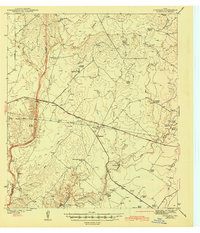 1943 Standart1943 Print · USGSKinney County ranching country and the railroad corridor are captured here during the early years of the Second World War. Researchers can trace the heritage of local families through landmarks like Mud Creek Sch, Stricklin Spr, and the Standart rail stop.
 - 1943 Map of Malvado, 1957 Print
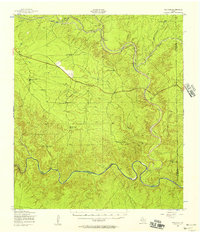 1943 Malvado1957 Print · USGSIn the early 1940s, the remote borderlands of West Texas were defined by the Southern Pacific railroad and isolated ranching outposts. Genealogists and historians can trace family landholdings like Whitehead Ranch, the settlement of Malvado, and the winding path of Lozier Canyon.
 - 1943 Map of Devils River, 1958 Print
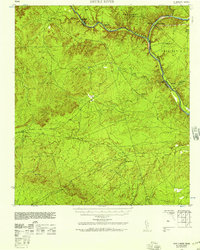 1943 Devils River1958 Print · USGSVal Verde County during the Second World War was a land of sprawling ranch estates and vital international river crossings along the border. Local historians can trace family landholdings like Jones Ranch and locate early infrastructure such as the C P & L Co Steam Plant and the railroad stop at McKees.2 unique versions available
 - 1943 Map of Langtry, 1963 Print
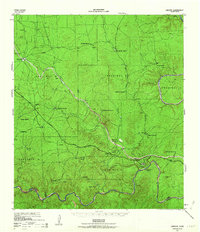 1943 Langtry1963 Print · USGSVal Verde County sits at the confluence of great rivers during the mid-forties, capturing the isolated ranching life of the Trans-Pecos. Researchers can trace the Southern Pacific rail line through Pumpville and Langtry, or locate family landmarks like Rose Ranch and Ingram Ranch.2 unique versions available
 - 1943 Map of Del Rio, 1969 Print
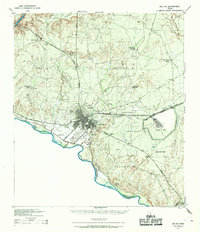 1943 Del Rio1969 Print · USGSDel Rio and the Rio Grande borderlands are captured here during the mobilization of the early 1940s. Researchers can trace family ranching history at Brite Ranch or locate the burgeoning military operations at Laughlin Field.
 - 1943 Map of Shumla, 1973 Print
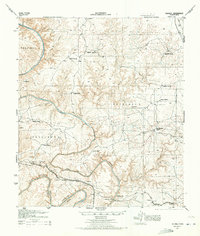 1943 Shumla1973 Print · USGSThe West Texas borderlands and the deep canyons of the Pecos River are captured here during the mid-century. Researchers can trace the path of the Southern Pacific railroad past Shumla and explore numerous historic family holdings like Hinds Ranch and Bell Ranch.
 - 1944 Map of Sycamore Ranch
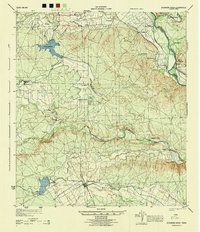 1944 Sycamore Ranch1944 Print · USGSThe Texas-Mexico borderlands along the Rio Grande come into focus during the mid-forties, showing the complex network of ranching and irrigation. Researchers can trace family ranch lands such as Sycamore Ranch and Rancho Garza or locate early settlements like San Carlos.
 - 1944 Map of Devils River
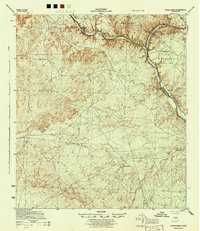 1944 Devils River1944 Print · USGSThe Texas-Mexico border landscape comes to life in the mid-1940s, documenting the vital river crossings and early power infrastructure of the region. Local researchers can trace family lands like the H G Nixon Ranch and explore early industrial sites including the Devils River Steam Plant.
 - 1944 Map of Mouth Of Pecos
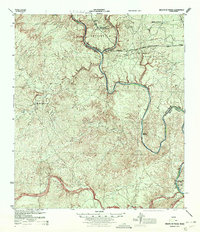 1944 Mouth Of Pecos1944 Print · USGSMid-century Val Verde County is documented here at the rugged meeting of the Pecos River and Rio Grande. Local historians can trace established outposts like Shumla Ranch and remote crossings such as Owens Crossing.
 - 1944 Map of Flat Rock
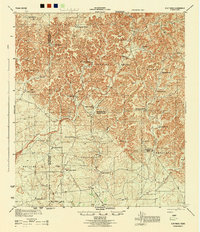 1944 Flat Rock1944 Print · USGSRanching life on the Edwards Plateau is captured during the mid-1940s, showing a landscape defined by seasonal creek forks and family-owned lands. Researchers can trace historic property boundaries and water sources like the Thurman Well, Askew Ranch, and Hayes Ranch.
 - 1944 Map of Dry Devil
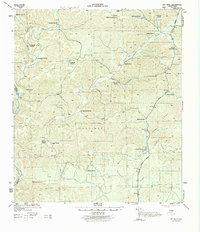 1944 Dry Devil1944 Print · USGSVal Verde County was a land of sprawling ranching operations and winding canyons in the years during World War II. Researchers can trace the heritage of local families across sites like Quigg Ranch, Miers Ranch, and the remote Vinegarone outpost.
 - 1944 Map of Malvado
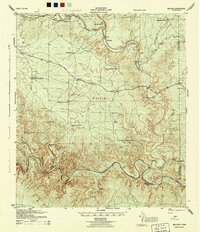 1944 Malvado1944 Print · USGSWestern Terrell County in the 1940s is a rugged landscape of deep canyons and isolated ranching outposts along the Mexican border. Genealogists and local historians can trace legacy family holdings like Williams Ranch and Foster Ranch near the winding Rio Grande.
 - 1944 Map of Devils Lake
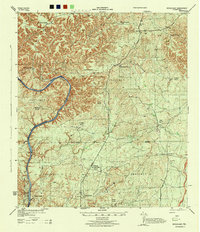 1944 Devils Lake1944 Print · USGSVal Verde County ranching country is documented in detail during the early 1940s, highlighting the isolated homesteads of the West Texas plateau. Researchers can trace family-named holdings like Goldwire Ranch and H Miers Fourteen Mile Ranch along the banks of Devils River Lake.2 unique versions available
 - 1944 Map of Baker Crossing
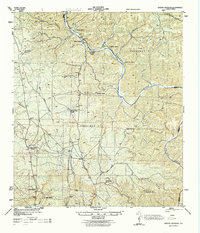 1944 Baker Crossing1944 Print · USGSVal Verde County ranching life is preserved in detail on this mid-century survey of the Devils River corridor. Researchers can locate established family holdings like the Parchman Ranch and J Brite Ranch or trace the early path of Route 163 through Bakers Crossing.
 - 1954 Map of Sonora, 1965 Print
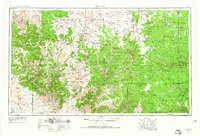 1954 Sonora1965 Print · USGSThe Edwards Plateau and West Texas ranching country come alive in this mid-century survey of the canyons and plateaus. Genealogists and historians can trace the remote settlements of Pandale and Loma Alta or follow the path of the Panhandle and Santa Fe RR.2 unique versions available
 - 1958 Map of Sonora
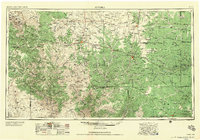 1958 Sonora1958 Print · USGSThe Edwards Plateau and Trans-Pecos region come alive in the late fifties, showing a landscape of remote ranchlands and historic frontier outposts. Trace the legacy of Fort Lancaster Ruins, the limestone depths of Devils Sinkhole Cavern, and the path of the Pecos River.
 - 1958 Map of Del Rio, 1970 Print
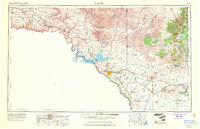 1958 Del Rio1970 Print · USGSThe Texas-Mexico borderlands come alive in the late fifties, showing the confluence of the Rio Grande and the emerging Amistad Reservoir. Trace the lineage of the Southern Pacific rail line through stops at Pumpville, Shumla, and the mining vicinity of Blewett.2 unique versions available
 - 1964 Map of Del Rio
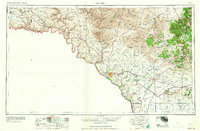 1964 Del Rio1964 Print · USGSAlong the Mexican border during the mid-sixties, this area centered on the confluence of the Rio Grande and Devils River. Researchers can trace the Southern Pacific line through isolated stops like Pumpville or locate military and industrial sites such as Laughlin Air Force Base and the mines at Blewett.
 - 1967 Map of Dunbar Draw SW, 1969 Print
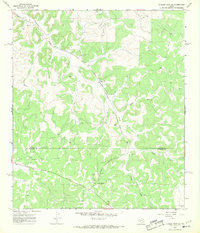 1967 Dunbar Draw SW1969 Print · USGSSutton and Edwards Counties are shown here in the late sixties as a landscape of working ranches and oil production. Genealogists and researchers can locate family properties like Rex Cusenbary Ranch and the Texas A and M Experimental Station.3 unique versions available
 - 1967 Map of Flat Rock Draw SE, 1969 Print
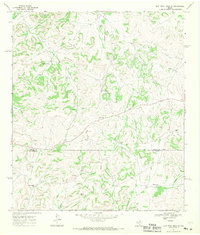 1967 Flat Rock Draw SE1969 Print · USGSSutton and Val Verde Counties in the late sixties were defined by expansive ranching operations and the infrastructure of the developing oil and gas industry. Researchers can trace historic family holdings like the Martin Ranch and Keene Ranch alongside early Gravel Pits and a regional Pipeline.2 unique versions available
 - 1967 Map of Flat Rock Draw SW, 1970 Print
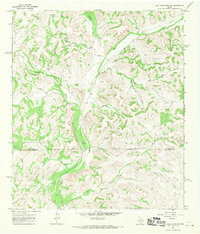 1967 Flat Rock Draw SW1970 Print · USGSThe Texas Hill Country at the meeting of Crockett and Sutton counties shows a landscape of isolated ranching life in the late 1960s. Genealogists and historians can trace the large holdings of the Phillips Ranch and Hunnicutt Ranch or locate geographic landmarks like Pot Hole City Canyon.2 unique versions available
 - 1970 Map of Everett Canyon, 1973 Print
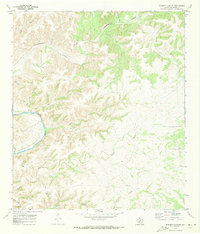 1970 Everett Canyon1973 Print · USGSVal Verde County ranching country is captured here during the 1970s, as the network of canyons meets the winding Pecos River. Trace family landholdings like Everett Ranch and Ward Ranch alongside remote Landing Strips and local landmarks.
Showing maps 1-25 of 462
Top cities of Val Verde County
- Del Rio historical maps
- Val Verde Park historical maps
- Comstock historical maps
- Lake View historical maps
Frequently asked questions
- What are the different types of historical maps available for Val Verde County?
- What is the oldest map of Val Verde County?
- Where can I purchase historical maps of Val Verde County for my home or office?
- Where can I download high-res historical maps of Val Verde County?
- Are there historical topographic maps available for Val Verde County?
- Is there historical aerial imagery available for Val Verde County?
- Where are historical maps of Val Verde County sourced from?