Old Maps of Wharton County, Texas for Academic Research
Study the evolution of Wharton County with 202 high-resolution historic maps. Whether you're teaching, researching, or modeling changes in land use, these maps provide essential visual documentation of urban, environmental, and geographic change.
- Analyze long-term change: Track patterns in development, transportation, and natural features.
- Ideal for environmental or urban studies: Support academic projects with primary historical map data.
- Use in the classroom or lab: Educators and researchers rely on these maps to bring historical context to life.
These maps are a powerful tool for teaching, research, and visualizing how Wharton County has changed over the decades.
Wharton County, TX maps
(202)- 1950 Map of Houston, 1953 Print
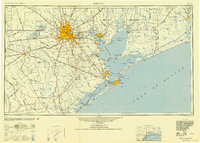 1950 Houston1953 Print · USGSCoastal Texas in the early fifties reveals a landscape of massive civil engineering and industrial transit. Genealogists and researchers can trace the growth of the Houston suburbs and the maritime infrastructure of Galveston Bay, including the Gulf Freeway and the Texas City Dike.
 - 1951 Map of Danevang, 1953 Print
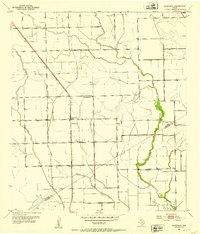 1951 Danevang1953 Print · USGSThe coastal prairie of Wharton and Matagorda Counties comes to life in the early 1950s, showing a landscape defined by ranching and oil. Trace local community roots at Danevang, the Danevang Sch, and the oil wells surrounding Liberty Sch.2 unique versions available
 - 1952 Map of Danciger, 1953 Print
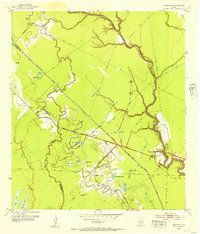 1952 Danciger1953 Print · USGSCoastal Texas industry and rural life meet in the early fifties as the Pledger Gas Field expands across the Brazoria County bayous. Genealogists and historians can trace family-named sites like Brown Cem and St Mary Ch near the banks of Dance Bayou.3 unique versions available
 - 1952 Map of Lane City SE, 1953 Print
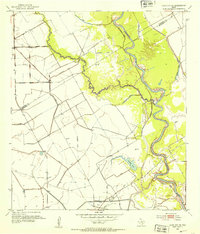 1952 Lane City SE1953 Print · USGSThe Texas Gulf Coast comes to life in the early fifties as the oil industry expands near the winding Colorado River. Researchers can trace the legacy of the North Markham Oil Field and local landmarks like the East KO Sch and Jennings Lake.3 unique versions available
 - 1952 Map of Pledger, 1953 Print
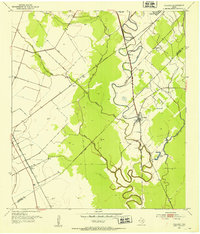 1952 Pledger1953 Print · USGSThe coastal prairie of the Texas Gulf Coast comes to life in this early 1950s survey of the Wharton and Matagorda county lines. Genealogists and researchers can trace local landmarks like Union Cem and Bethlehem Ch or follow the rail junctions at Newgulf Junction and Cane Junction.3 unique versions available
 - 1952 Map of Francitas NE, 1953 Print
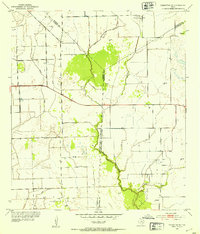 1952 Francitas NE1953 Print · USGSThe coastal plains of Jackson and Matagorda Counties come alive in the early fifties as the petroleum industry reshapes the landscape. Genealogists and industrial historians can trace the early footprints of the North Francitas Oil Field, Little Kentucky Field, and the Indefinite Boundary Survey of 1907.2 unique versions available
 - 1952 Map of Lane City, 1953 Print
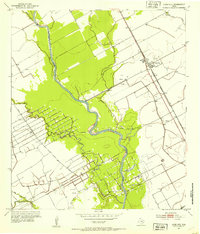 1952 Lane City1953 Print · USGSTexas petroleum and river transport converge at Lane City in the early fifties. Researchers can trace the mid-century energy boom through dozens of Oil Wells and the Gulf Colorado and Santa Fe rail line along the Colorado River.3 unique versions available
 - 1952 Map of Midfield, 1953 Print
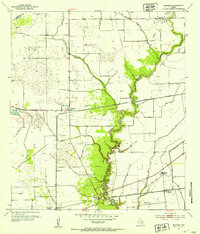 1952 Midfield1953 Print · USGSMid-century Matagorda County comes alive in this survey of a landscape transitioning from rail-dependent agriculture to oil production. Researchers can trace family history through sites like Cornelius Cem or the settlements of Midfield and Clemville.2 unique versions available
 - 1952 Map of Pierce, 1953 Print
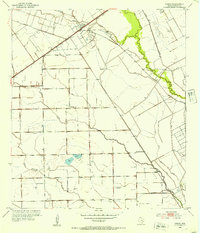 1952 Pierce1953 Print · USGSWharton County at mid-century was a landscape of rail-side settlements and developing petroleum fields. Trace the old Southern Pacific line through Pierce or locate family sites like the Blue Creek Sch and Tres Palacios Sch (Abandoned).2 unique versions available
 - 1952 Map of Egypt, 1954 Print
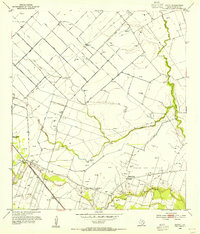 1952 Egypt1954 Print · USGSWharton County is mapped in the early fifties as an active hub of oil production and rail transport. Researchers can locate community anchors like New Colorado Tabernacle and trace the original paths of Clarks Branch and Caney Creek.2 unique versions available
 - 1953 Map of Beeville
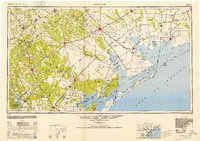 1953 Beeville1953 Print · USGSThe Texas Coastal Bend in the early fifties shows a landscape of growing regional hubs and vital maritime corridors. Trace the rail-and-river economy through Goliad, locate the Matagorda Lighthouse, and explore the sprawling Aransas National Wildlife Refuge.
 - 1953 Map of Guy, 1954 Print
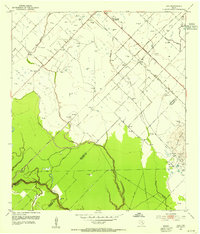 1953 Guy1954 Print · USGSFort Bend County at the start of the 1950s was a landscape defined by the intersection of cattle, crops, and crude oil. Genealogists and local historians can trace family locations near the Guy Cem, the settlement of Mooredale, and the active Damon Mound Oil Field.4 unique versions available
 - 1953 Map of Kendleton, 1954 Print
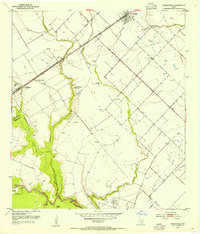 1953 Kendleton1954 Print · USGSFort Bend and Wharton Counties are seen here in the early 1950s, a landscape shaped by the San Bernard River and rail lines. Locate the Mexican Army Encampment site, trace the Southern Pacific tracks through Beasley, or find family roots near Wesley Chapel.2 unique versions available
 - 1953 Map of Wharton, 1954 Print
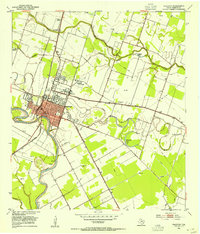 1953 Wharton1954 Print · USGSWharton and the surrounding river bottomlands are captured here in the mid-fifties, showing a community defined by its rails and waterways. Researchers can trace the grounds of Wharton Junior College or find Little Zion Ch and Dinsmore along the iron routes.4 unique versions available
 - 1953 Map of Hungerford, 1954 Print
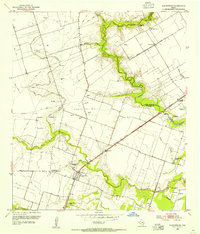 1953 Hungerford1954 Print · USGSWharton and Fort Bend Counties appear in the early fifties as a landscape of coastal prairies and emerging energy production. Researchers can trace rural life through the many landmarks like Hungerford School, Faith Tabernacle, and the Hungerford Oil Field.2 unique versions available
 - 1953 Map of Glen Flora, 1954 Print
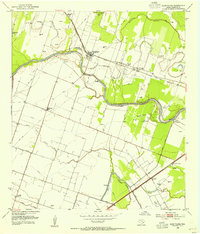 1953 Glen Flora1954 Print · USGSThe Colorado River bottoms of Wharton County appear in the early fifties as a landscape of intensive drainage and river-side settlements. Researchers can trace the rail corridors through Glen Flora and Mackay while locating old landmarks like Red Hill Church and the Sorrell School.3 unique versions available
 - 1953 Map of Boling, 1955 Print
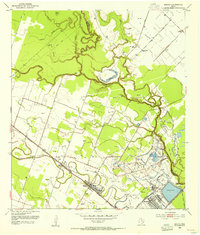 1953 Boling1955 Print · USGSWharton County industry and rural life intersect in the early fifties as the sulphur industry reshapes the coastal plain. Trace the layout of the company town at Newgulf or locate family roots at Shiloh Cem and Routt Point Church.3 unique versions available
 - 1953 Map of Seguin, 1965 Print
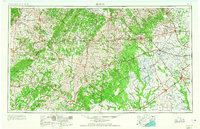 1953 Seguin1965 Print · USGSSouth Texas in the early fifties shows a thriving river-and-rail economy across the Guadalupe and Colorado basins. Genealogists and historians can trace rail routes like the Southern Pacific through Seguin, locate oil wells, or find the Gary AAF near San Marcos.4 unique versions available
 - 1956 Map of Beeville
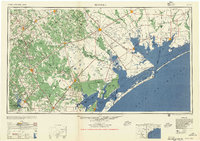 1956 Beeville1956 Print · USGSCoastal Texas and the brush country interior are shown in the mid-fifties, from the coastal bays to the inland oil fields. Trace the old rail lines of the Southern Pacific RR or locate the historic Matagorda Lighthouse and the Aransas National Wildlife Refuge.2 unique versions available
 - 1956 Map of Wallis
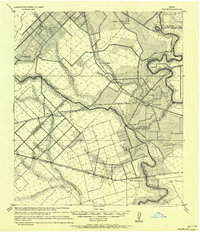 1956 Wallis1956 Print · USGSThe Brazos and San Bernard rivers dominate this coastal prairie landscape during the early twentieth century. Trace family roots and vanished rail stops through Wallis, Chesterville, and Lissie along the Gulf Colorado and Santa Fe Railway.
 - 1956 Map of Houston, 1963 Print
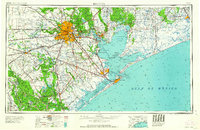 1956 Houston1963 Print · USGSSoutheast Texas in the mid-fifties is captured here as a powerhouse of oil and maritime trade. Genealogists and historians can trace the foundations of Houston and its ports, alongside landmarks like the Rice Institute and the Spindletop Oil Field.2 unique versions available
 - 1957 Map of Eagle Lake
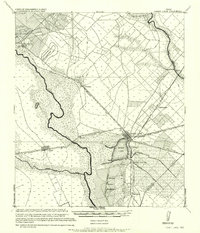 1957 Eagle Lake1957 Print · USGSTexas coastal prairie life in the early twentieth century is defined here by the convergence of major rail lines and the namesake Eagle Lake. Genealogists and historians can trace the development of localized junctions and settlements like Alleyton, Altair, and Rice Land.
 - 1958 Map of Seguin
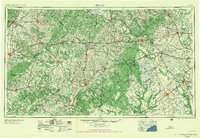 1958 Seguin1958 Print · USGSSouth Texas in the late fifties was a network of river-valley settlements and active oilfields tied together by major rail lines. Genealogists and historians can trace family-named sites across Rabb Prairie, locate the Behring Store, or follow the Southern Pacific through Schulenburg.
 - 1959 Map of Garwood, 1960 Print
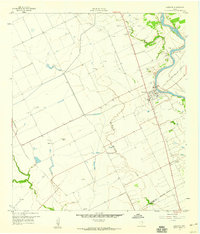 1959 Garwood1960 Print · USGSThe Texas coastal prairie near the Colorado River comes to life here in the late fifties, showing a landscape defined by rice farming and oil exploration. Genealogists and historians can locate family sites at Nada Cem, St Mary Sch, and Garwood Cem.3 unique versions available
 - 1959 Map of Bonus, 1960 Print
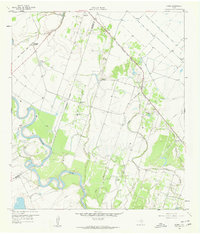 1959 Bonus1960 Print · USGSThe coastal plains of Wharton and Colorado counties are captured here in the late fifties as the local economy balanced rail transport and river resources. Genealogists can trace family landmarks like Frazer Cem, Elm Grove Ch, and the rail siding at Boedecker Junction.3 unique versions available
Showing maps 1-25 of 202
Top cities of Wharton County
Frequently asked questions
- What are the different types of historical maps available for Wharton County?
- What is the oldest map of Wharton County?
- Where can I purchase historical maps of Wharton County for my home or office?
- Where can I download high-res historical maps of Wharton County?
- Are there historical topographic maps available for Wharton County?
- Is there historical aerial imagery available for Wharton County?
- Where are historical maps of Wharton County sourced from?