Old Maps of Hanksville, Utah for Metal Detecting
Plan your next treasure hunt with 20 historic maps of Hanksville. Find old homesites, ghost towns, trails, and gathering spots that may be lost to time — perfect for identifying promising metal detecting locations.
- Locate forgotten sites: Uncover places like long-lost settlements, abandoned rail lines, or gathering spots.
- Plan better hunts: Use map overlays combined with LiDAR or satellite views to narrow in on historically rich areas.
- Made for detectorists: Thousands of hobbyists use these maps to discover relics, coins, and hidden history.
Use these historic maps to boost your research and find new opportunities beneath the surface of Hanksville.
Hanksville, UT maps
(20)- 1885 Map of San Rafael
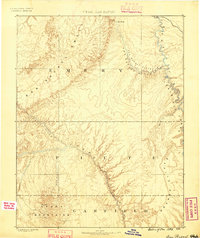 1885 San Rafael1885 Print · USGSCentral Utah at the height of the Powell Survey reveals a land defined by water and stone. Genealogists and historians can locate early settlements like Tidwell and Blake or trace the intricate river systems of Labyrinth Canyon and San Rafael Valley.5 unique versions available
 - 1954 Map of Mt. Ellen 1 NW, 1956 Print
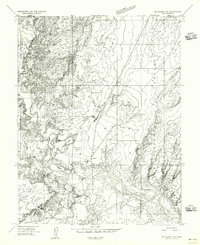 1954 Mt. Ellen 1 NW1956 Print · USGSWayne and Emery County navigation and desert drainage are frozen in time during the mid-fifties. Researchers can trace early aviation landmarks like Hanksville Landing Field or the junction of Muddy Creek and the Dirty Devil River.
 - 1954 Map of Mt. Ellen 1 SW, 1956 Print
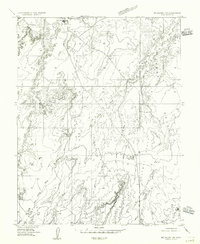 1954 Mt. Ellen 1 SW1956 Print · USGSHanksville and the surrounding desert landscape are captured here in the mid-fifties, showing the early infrastructure of this remote corner of Wayne County. Researchers can trace historical access routes like Sawmill Basin Road and locate landmarks such as the Landing strip and White Point.
 - 1956 Map of Salina
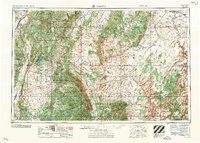 1956 Salina1956 Print · USGSCentral Utah in the mid-fifties reveals a landscape of high plateaus and desert basins before the modern highway era. Researchers can trace the ranching and mining roots of Hanksville and Loa or locate the Lucky Strike Mine near the San Rafael Swell.5 unique versions available
 - 1960 Map of Salina
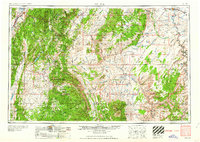 1960 Salina1960 Print · USGSThe high plateaus and canyonlands of south-central Utah appear in the early sixties as a region of remote ranching towns and developing parklands. Researchers can trace historic settlements like Fruita and Loa or locate the uranium mines and the tracks of the Denver and Rio Grande Western RR.2 unique versions available
 - 1962 Map of Salina
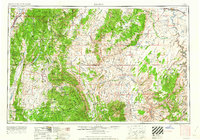 1962 Salina1962 Print · USGSSevier County and the surrounding desert wilderness appear here in the early sixties as a network of isolated river valley towns and high-altitude forests. Researchers can locate remote landmarks like Fruita, trace the Denver & Rio Grande Western RR, and find backcountry sites like the Aquarius Ranger Station.
 - 1963 Map of Hanksville, 1965 Print
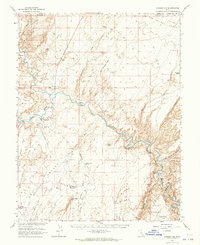 1963 Hanksville1965 Print · USGSHanksville and the surrounding high desert are documented here during the early 1960s as aviation and energy interests moved into the region. Local historians can trace the town's footprint near the Hanksville Cem and the confluence of the Fremont River and Muddy Creek.3 unique versions available
 - 1980 Map of Hanksville, 1987 Print
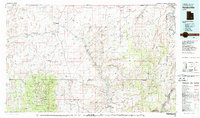 1980 Hanksville1987 Print · USGSHanksville and the surrounding high desert are captured in the early 1980s, showcasing a landscape of dramatic topography and isolated outposts. Researchers can trace the rugged drainage of the Dirty Devil River and locate landmarks like the Factory Butte Mine and Robbers Roost Flats.2 unique versions available
 - 1987 Map of The Notch
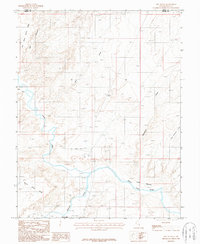 1987 The Notch1987 Print · USGSHanksville in the late 1980s centers on the confluence where two rivers form the Dirty Devil. Genealogists and desert historians can trace the local Cem, the early Hanksville Airport, and topographic landmarks like The Notch and Wild Horse Mesa.
 - 1987 Map of Hanksville
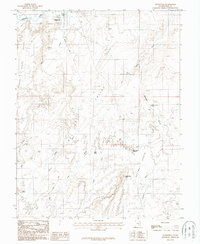 1987 Hanksville1987 Print · USGSHanksville in the early 1980s is captured here at the junction of the Fremont River and the desert plains. Researchers can trace the town's footprint, including the Trailer Park, and follow cattle-era landmarks like Beef Hollow Reservoir and Penitentiary Point.
 - 2011 Map of Hanksville, 2011 Print
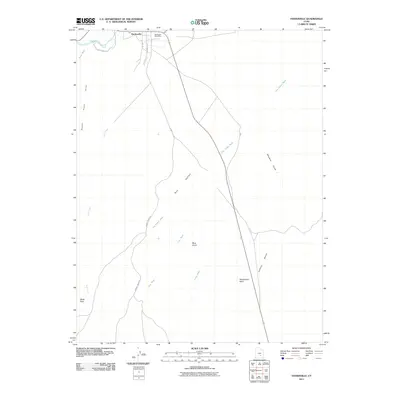 2011 Hanksville2011 Print · USGSHanksville and the surrounding high-desert plateaus of Wayne County are captured in this 2011 study at the junction of the Fremont River. Researchers can trace the layout of the town, identifying local features like the Hanksville Post Office and the trails through Dry Valley toward Blue Knoll.
 - 2011 Map of The Notch, 2011 Print
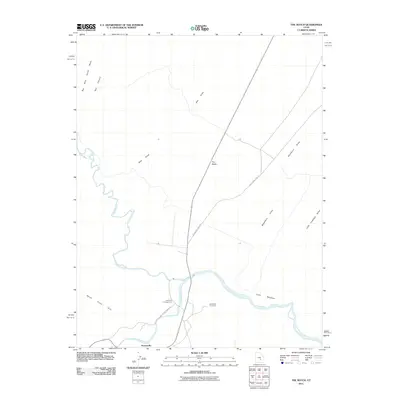 2011 The Notch2011 Print · USGSHanksville sits at a vital river junction in the early twenty-first century, where desert waterways converge amidst high mesa country. Researchers can trace local landmarks like Hanksville Cemetery and the Red Rock Campground alongside the Dirty Devil River.
 - 2014 Map of Hanksville, 2014 Print
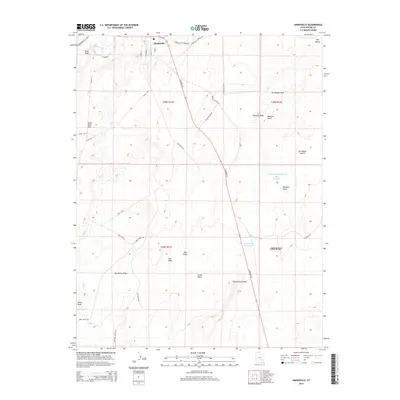 2014 Hanksville2014 Print · USGSHanksville sits at the junction of river and desert in this early twenty-first-century survey. Genealogists and desert explorers can trace the roads leading out from Hanksville toward landmarks like Blue Knoll or water sources such as Beef Hollow Reservoir.
 - 2014 Map of The Notch, 2014 Print
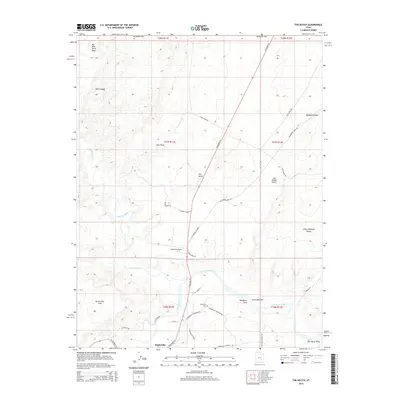 2014 The Notch2014 Print · USGSHanksville and the surrounding desert landscape are captured here in the early twenty-first century as the town remains a critical outpost. Genealogists and local historians can trace the town layout and local roads like River Bend Rd leading to the Hanksville Cem.
 - 2017 Map of Hanksville, 2017 Print
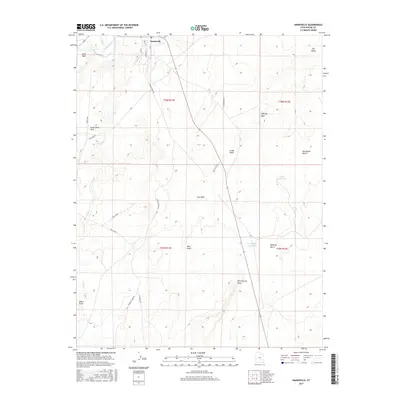 2017 Hanksville2017 Print · USGSHanksville and the surrounding high desert are captured here in the late twenty-teens, showing the crossroads of the river and the arid backcountry. Researchers can trace local routes like Sawmill Basin Rd and locate water sources such as Step Reservoir and Beef Hollow Reservoir.
 - 2017 Map of The Notch, 2017 Print
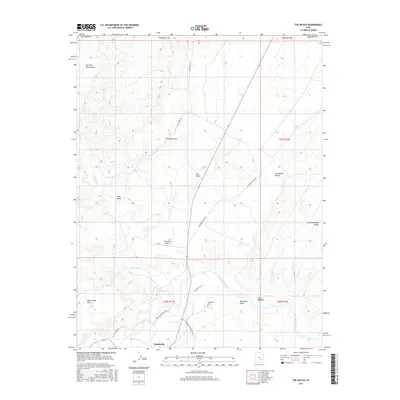 2017 The Notch2017 Print · USGSHanksville sits at the meeting of desert and river in this recent survey of Wayne County. Genealogists and local researchers can locate the Hanksville Cem, trace the course of the Dirty Devil River, and follow tracks like Doll House Ranch Rd.
 - 2020 Map of Hanksville, 2020 Print
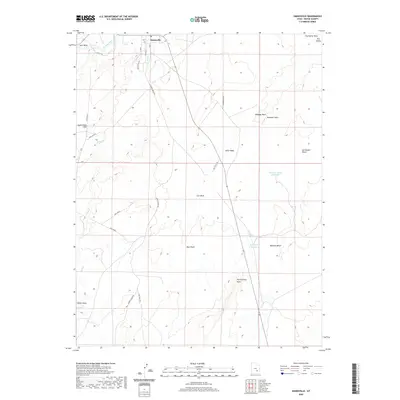 2020 Hanksville2020 Print · USGSHanksville and the surrounding Wayne County desert are captured here in the early twenty-first century as a remote intersection of river and road. Trace local geography through landmarks like Penitentiary Point and historic water sources such as Meadow Gulch Reservoir.
 - 2020 Map of The Notch, 2020 Print
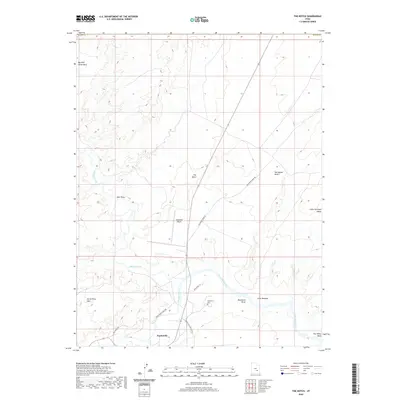 2020 The Notch2020 Print · USGSHanksville and the surrounding Wayne County desert are captured here in the early twenty-first century. Researchers can trace the convergence of the Fremont River and Muddy Creek or locate local landmarks like the Hanksville Cem and The Notch.
 - 2023 Map of Hanksville, 2023 Print
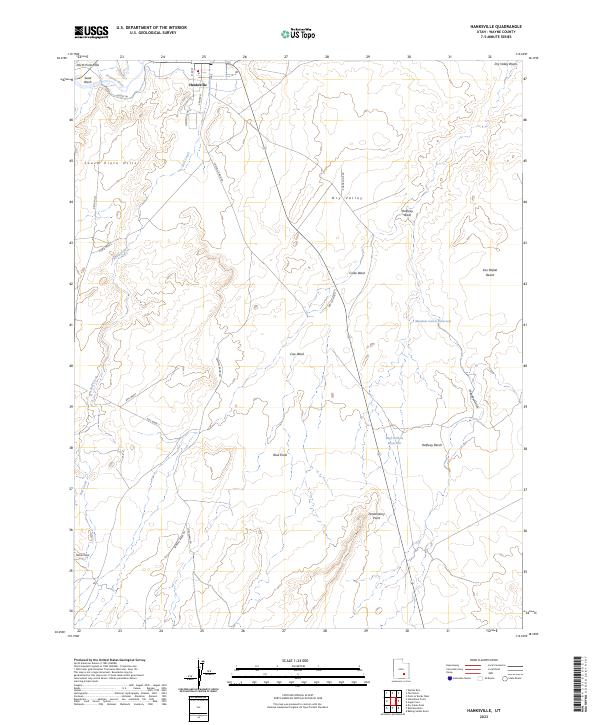 2023 Hanksville2023 Print · USGSThe desert settlement of Hanksville is shown in detail during the early 2020s, highlighting its vital position at the Fremont River confluence. Researchers can trace local landmarks like Penitentiary Point, navigate the San Rafael Desert, or locate water resources at Beef Hollow Reservoir.
 - 2023 Map of The Notch, 2023 Print
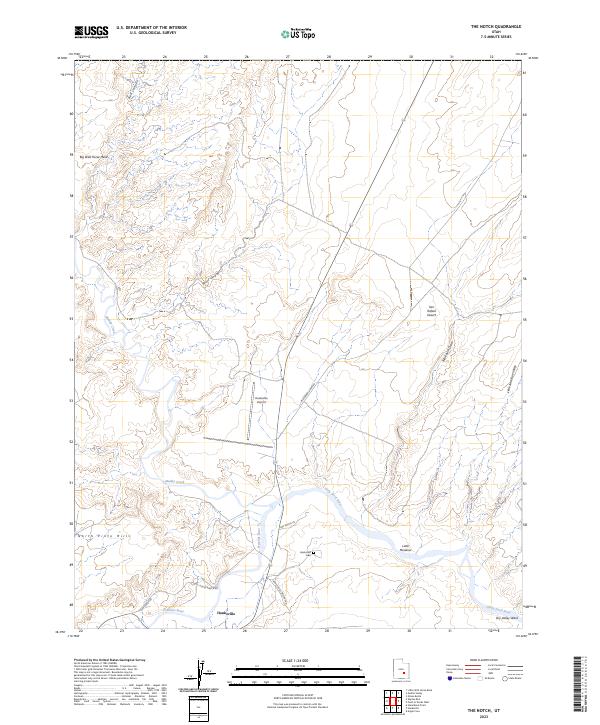 2023 The Notch2023 Print · USGSHanksville and the surrounding high desert are documented here in 2023 at the confluence of the desert's major waterways. Researchers can trace local landmarks and infrastructure like the Hanksville Cem, Hanksville Airport, and the winding course of the Dirty Devil River.
End of results
Showing maps 1-20 of 20
Frequently asked questions
- What are the different types of historical maps available for Hanksville?
- What is the oldest map of Hanksville?
- Where can I purchase historical maps of Hanksville for my home or office?
- Where can I download high-res historical maps of Hanksville?
- Are there historical topographic maps available for Hanksville?
- Is there historical aerial imagery available for Hanksville?
- Where are historical maps of Hanksville sourced from?