1900s (20th Century) Maps of King William County, Virginia
Explore 43 historic maps of King William County from the 1900s (20th Century). These maps offer a rare glimpse into what life looked like during the 1900s — showing old roads, neighborhoods, homes, and landmarks that have changed or disappeared over time.
Whether you're researching your family's past, planning a metal detecting trip, or studying how King William County's landscape evolved across the 1900s, these high-resolution maps are a powerful tool for exploring the history of this region.
- Focus on a specific era: All maps on this page are from the 1900s, giving you a focused view of this time period.
- See what’s changed: Compare century-old streets, trails, and buildings to today's modern landscape using overlays and satellite layers.
- Research with precision: Use these maps for genealogy, historical research, land use analysis, or educational projects.
- View, download, or print: Maps are fully viewable online in high resolution, and can be downloaded or printed for your own records.
Start exploring King William County's history through authentic maps from the 1900s. This is your window into the past.
King William County, VA maps
(43)- 1918 Map of Doswell
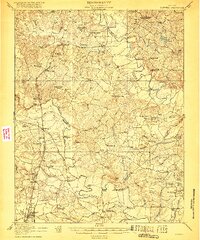 1918 Doswell1918 Print · USGSCentral Virginia during the first World War features a landscape of river-fed mills and vital rail junctions. Genealogists can locate family names at Hanover Courthouse or trace the early paths of segregated schools like Ruther Glen School (Colored) and Penola School (Colored).4 unique versions available
 - 1918 Map of Aylett
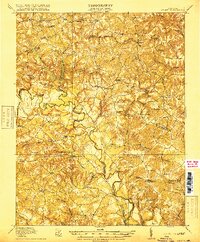 1918 Aylett1918 Print · USGSThe rural landscapes of King and Queen and King William counties are captured here at the end of the Great War. Researchers can trace ancestral connections through old mill sites and churches like Aylett Mill, St Stephens Church, and Shiloh Church.
 - 1919 Map of New Kent
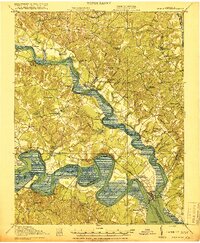 1919 New Kent1919 Print · USGSThe Virginia tidewater comes to life in the years following the Great War, showing the convergence of the Mattaponi and Pamunkey rivers. Genealogists can trace family roots through the Pamunkey Indian Reservation, West Point, and rural landmarks like Mattaponi Church or Frazier Ferry.3 unique versions available
 - 1920 Map of King William
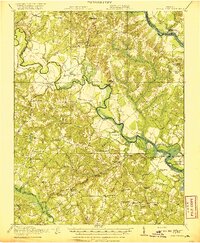 1920 King William1920 Print · USGSCoastal Virginia during the late teens and early twenties reveals a landscape of river-bend settlements and tidal swamps. Researchers can trace the Pamunkey Indian Reservation, early river crossings like Piping Tree Ferry, and rail depots at Tunstall.4 unique versions available
 - 1933 Map of Aylett
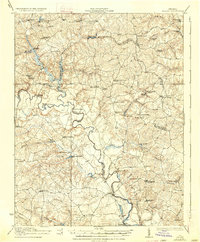 1933 Aylett1933 Print · USGSCoastal Plain Virginia during the 1930s shows a landscape of river-based commerce and tight-knit farming communities. Genealogists and historians can trace family locations near Aylett, locate the Millfork School, or find old mills like Dublin Mill.2 unique versions available
 - 1938 Map of Studley
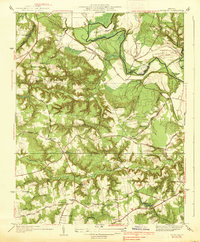 1938 Studley1938 Print · USGSHanover County's rural character is captured in the mid-1930s before the expansion of the Richmond suburbs. Genealogists can trace family landmarks and community hubs like Bethesda Ch, Studley, and the Pole Green Sch along the historic Pamunkey River corridor.3 unique versions available
 - 1943 Map of Richmond, 1972 Print
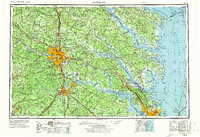 1943 Richmond1972 Print · USGSCoastal Virginia and the state capital are shown in detail during the mid-century era of infrastructure expansion. Genealogists and historians can trace the grounds of Richmond Nat Battlefield Park, locate the Yorktown Nat Cem, or follow the many rural routes through Amelia Court House and Tappahannock.
 - 1949 Map of Truhart
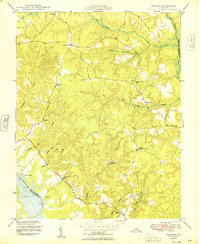 1949 Truhart1949 Print · USGSMid-century King and Queen County is shown here during a time of rural stability along the Mattaponi River. Researchers can trace old family locations and community landmarks from Exol Ch and Zion Sch to the crossroads at Dragonville.
 - 1949 Map of King William
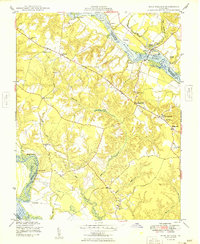 1949 King William1949 Print · USGSThe Virginia Tidewater is captured here in the years following the war, showing a landscape shaped by river landings and rural crossroads. Genealogists can locate family sites near Piping Tree Ferry, the King William Training Sch, or the historic Four Forks Inn.2 unique versions available
 - 1949 Map of King And Queen
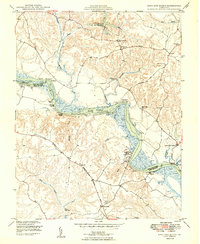 1949 King And Queen1949 Print · USGSThe Mattaponi River shoreline and the colonial-era road network define this Virginia landscape in the late 1940s. Researchers can trace ancestral locations near the Mattaponi Indian Reservation, the Mattaponi Ch, and old river stops like Courthouse Landing.2 unique versions available
 - 1949 Map of Aylett
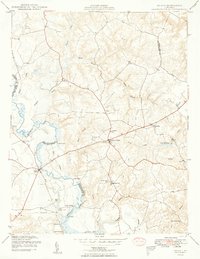 1949 Aylett1949 Print · USGSCoastal Virginia during the late 1940s reveals a quiet riverine landscape where the Mattaponi River dictates the rhythm of local life. Genealogists and historians can locate old riverfront sites like Old Hall Landing, local schools like Green Briar Sch, and the historic Aylett Mill.2 unique versions available
 - 1949 Map of Tunstall
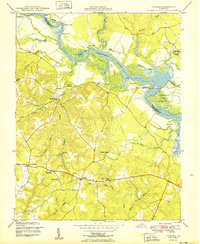 1949 Tunstall1949 Print · USGSThe Pamunkey River corridor is captured here in the late 1940s, highlighting the transition from river landings to rail and road transport. Researchers can locate community anchors such as St Peters Church, the Pamunkey Indian Reservation, and Pattersons Store.
 - 1949 Map of New Kent
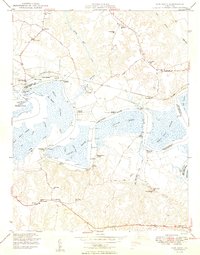 1949 New Kent1949 Print · USGSThe Pamunkey River valley in the late 1940s shows a landscape defined by expansive tidal marshes and historic river landings. Researchers can trace ancestral locations at the Pamunkey Indian Reservation, Lester Manor, or St Johns Ch.2 unique versions available
 - 1949 Map of Richmond, 1951 Print
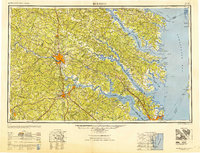 1949 Richmond1951 Print · USGSCoastal Virginia in the years following World War II remained a landscape of historic river towns and expanding military bases. Genealogists and historians can trace the rail lines of the Southern Ry and locate established landmarks from Camp Lee to the remote reaches of Dragon Swamp.
 - 1949 Map of Hanover, 1967 Print
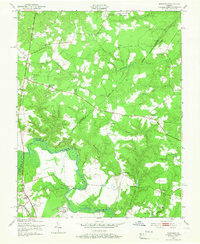 1949 Hanover1967 Print · USGSCentral Virginia’s river borders and rural communities are captured here just after the war, showing the intersection of three counties. Genealogists and historians can locate family landmarks like Burrows Chapel, Etna Mills, and the Virginia Industrial School for Boys.
 - 1950 Map of West Point
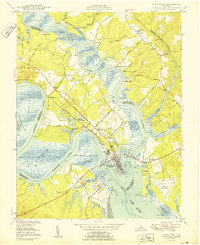 1950 West Point1950 Print · USGSCoastal Virginia at the turn of the decade centers on the confluence of the Mattaponi and Pamunkey. Researchers can trace family sites at Chelsea, locate historic burials at Sunny Slope Cem, and follow the SOUTHERN rail lines into the heart of West Point.2 unique versions available
 - 1950 Map of Old Church
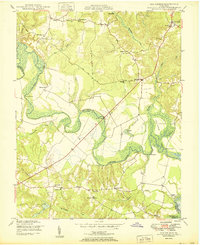 1950 Old Church1950 Print · USGSThe Pamunkey River basin in the early postwar era reveals a landscape of tidal swamps and scattered crossroads communities. Genealogists and historians can trace the foundations of the area at Old Church, Appersons Store, and historic landings like Carters Landing.2 unique versions available
 - 1951 Map of Sparta
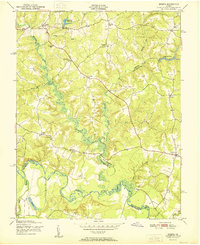 1951 Sparta1951 Print · USGSCoastal Virginia in the early fifties shows a landscape of river-bottom swamps and small farm settlements. Genealogists and local historians can trace family locations near Jerusalem Sch, Broaddus Mill Pond, and the rural crossroads of Sparta.2 unique versions available
 - 1951 Map of Beulahville
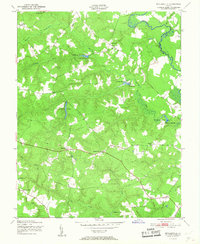 1951 Beulahville1951 Print · USGSKing William County in the early fifties shows a rural Tidewater landscape shaped by its winding creeks and small crossroads. Researchers can trace historic mill sites like Herring Creek Mill and local centers such as Pollards Corner and Beulahville.
 - 1951 Map of Hanover
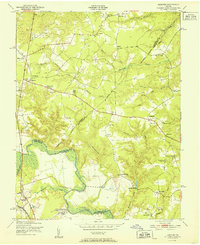 1951 Hanover1951 Print · USGSMid-century rural life in Hanover and King William counties centered on the river and the rail line. Researchers can trace family-named landmarks and institutions like Mangohick, the Virginia Industrial School for Boys, and Gravatts Mill.
 - 1951 Map of Studley
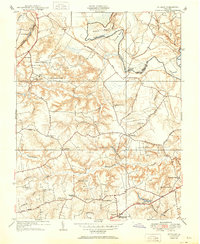 1951 Studley1951 Print · USGSHanover County at mid-century reveals a rural landscape defined by the winding Pamunkey River and its many creek systems. Researchers can trace family roots through historic crossroads like Rural Point and Hundleys Corner, or locate institutions like Battlefield Park High Sch and New Bethesda Ch.
 - 1959 Map of Richmond
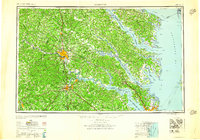 1959 Richmond1959 Print · USGSMid-century Virginia is captured here at its most vital rail and river junctions, from the capital city to the Chesapeake Bay. Genealogists and historians can trace the development of colonial settlements like Williamsburg and military landmarks including Fort Monroe and Camp Lee.
 - 1964 Map of Richmond
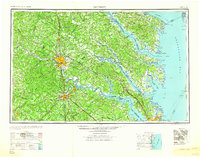 1964 Richmond1964 Print · USGSCoastal and central Virginia are mapped during the mid-twentieth century, showing the critical intersection of rail, river, and military life. Genealogists can trace family roots through rural county seats like Amelia or find vanished coastal neighborhoods near Phoebus and Hilton Village.
 - 1964 Map of Studley, 1965 Print
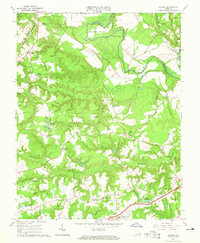 1964 Studley1965 Print · USGSHanover County at the start of the 1960s reveals a Tidewater landscape shaped by the winding Pamunkey River and deep-rooted rural communities. Local historians can trace family locations near Studley, Pole Green, and the State Industrial School, or locate early sites like Talley Millpond and Cypress Cem.5 unique versions available
 - 1965 Map of New Kent, 1967 Print
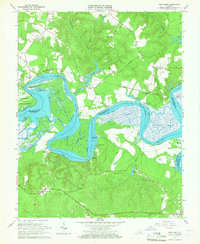 1965 New Kent1967 Print · USGSThe Pamunkey River tidewater region is captured here in the mid-sixties, showing the intricate Cousiac Marsh and the Pamunkey Indian Reservation. Trace family roots at New Kent Chapel Cem or locate old landings like White Landing.4 unique versions available
Showing maps 1-25 of 43
Top cities of King William County
Frequently asked questions
- What are the different types of historical maps available for King William County?
- What is the oldest map of King William County?
- Where can I purchase historical maps of King William County for my home or office?
- Where can I download high-res historical maps of King William County?
- Are there historical topographic maps available for King William County?
- Is there historical aerial imagery available for King William County?
- Where are historical maps of King William County sourced from?