Old Maps of Woodstock, Virginia for Hiking & Exploration
Hike through history with 39 historic maps of Woodstock. Explore old trails, ghost towns, and forgotten backroads — perfect for outdoor adventurers and local explorers.
- Rediscover forgotten places: Map out old mining camps, roads, and footpaths that no longer exist on modern maps.
- Layer with modern tools: Combine with LiDAR or satellite views to plan hikes through historical terrain.
- Made for exploration: Popular among hikers, overlanders, and local history lovers.
Use these maps to find adventure and explore the hidden past of Woodstock.
Woodstock, VA maps
(39)- 1892 Map of Woodstock, 1898 Print
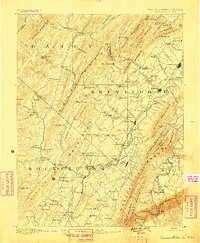 1892 Woodstock1898 Print · USGSThe Shenandoah Valley in the 1890s is captured here as a landscape of river-driven towns and mountain iron furnaces. Researchers can trace family roots in Woodstock or Edinburg and locate historic industrial sites like Liberty Furnace and Columbia Furnace.5 unique versions available
 - 1893 Map of Luray, 1898 Print
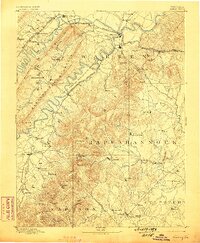 1893 Luray1898 Print · USGSThe Shenandoah Valley in the 1890s was a land of steep mountain ridges and vital new railways. Genealogists and historians can trace old homesteads and depots along the Shenandoah Valley Railroad or find remote hamlets like Seven Fountains and Browntown.
 - 1905 Map of Luray, 1910 Print
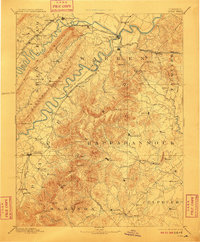 1905 Luray1910 Print · USGSThe Blue Ridge and Shenandoah Valley are frozen in time just after the turn of the century, showing the critical rail networks and mountain gaps of the period. Genealogists can trace family names and settlements like Luray, Front Royal, and Strasburg along the Shenandoah Valley Railroad.4 unique versions available
 - 1923 Map of Edinburg
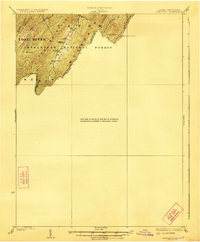 1923 Edinburg1923 Print · USGSThe Virginia and West Virginia borderlands appear in the early twenties as a landscape of isolated mountain schools and forest lookouts. Genealogists can trace family footprints around the Heishman School and Mt Vernon Church or locate early settlements at Rockland and Perry.5 unique versions available
 - 1947 Map of Strasburg, 1955 Print
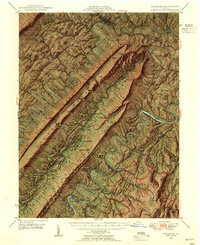 1947 Strasburg1955 Print · USGSThe Shenandoah Valley during the late 1940s reveals a landscape defined by the winding North and South Forks of the river and the steep ridges of Massanutten. Genealogists can locate rural landmarks like Saint Davids Church, Bentonville, and the Mt Hebron Ch Cem.7 unique versions available
 - 1947 Map of Edinburg, 1958 Print
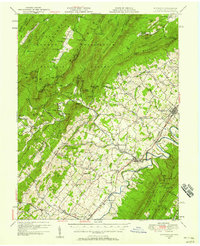 1947 Edinburg1958 Print · USGSThe Shenandoah Valley is mapped here just after the war, showing the historic transportation spine between Woodstock and Mt Jackson. Researchers can trace rural life through landmarks like Columbia Furnace, Lantz Mills, and Union Forge Ch.2 unique versions available
 - 1949 Map of Charlottesville
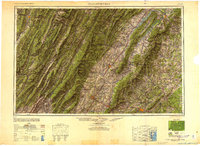 1949 Charlottesville1949 Print · USGSThe Shenandoah Valley and Blue Ridge appear in the late 1940s as a thriving corridor of rail and river commerce. Researchers can trace the mid-century footprints of Harrisonburg, Staunton, and Culpeper alongside the historic routes of the Southern Railway.2 unique versions available
 - 1950 Map of Strasburg
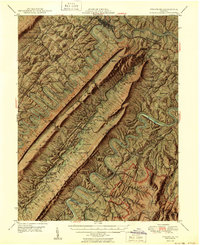 1950 Strasburg1950 Print · USGSThe northern Shenandoah Valley is shown just after the war, defined by the winding forks of the river and the massive ridges of Massanutten Mountain. Genealogists and historians can trace family sites at Mt Hebron Cemetery, Goode Mill, and the mountain-bound community of Seven Fountains.2 unique versions available
 - 1951 Map of Edinburg
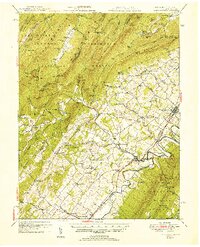 1951 Edinburg1951 Print · USGSShenandoah County is shown here at the start of the 1950s, where the river valley and rail lines shaped a landscape of small towns and industrial history. Genealogists and historians can trace family locations through numerous rural sites like Lantz Mills, Sugar Hill Cem, and Pleasant Grove Sch.
 - 1956 Map of Charlottesville, 1966 Print
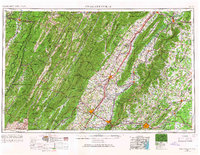 1956 Charlottesville1966 Print · USGSThe Shenandoah Valley and Blue Ridge are captured in detail during the mid-1960s as the modern interstate system began to emerge. Genealogists and historians can trace rail-connected hubs like Waynesboro or follow the river paths of the Rapidan River and Rivanna River.4 unique versions available
 - 1966 Map of Edinburg, 1968 Print
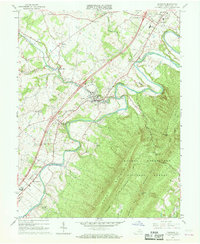 1966 Edinburg1968 Print · USGSMid-century Shenandoah Valley life is centered here on the winding river and the busy mountain gaps during the 1960s. Genealogists and historians can trace family roots through Cedarwood Cem, Hawkinstown, and local landmarks like Union Forge Ch.3 unique versions available
 - 1966 Map of Toms Brook, 1968 Print
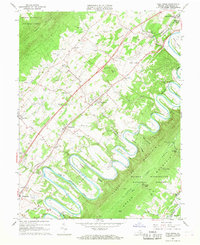 1966 Toms Brook1968 Print · USGSShenandoah Valley life in the mid-sixties is captured here as the river loops around Seven Bends while the new interstate begins to change local transit. Genealogists can locate family landmarks like the Keller Cem, Emmanuel Ch, and the site of the County Home.4 unique versions available
 - 1966 Map of Woodstock, 1968 Print
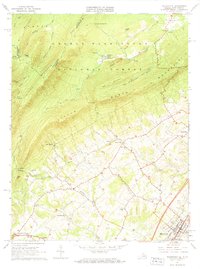 1966 Woodstock1968 Print · USGSShenandoah County life in the mid-1960s centered on the hub of Woodstock and the industrial vestiges of the valley's iron era. Genealogists and historians can trace the foundations of Columbia Furnace, locate Massanutten Military Academy, and find family landmarks like Coffmantown and Cedar Creek Ch.2 unique versions available
 - 1966 Map of Rileyville, 1968 Print
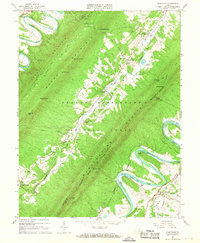 1966 Rileyville1968 Print · USGSThe Shenandoah Valley during the mid-sixties reveals a landscape of ridge-top lookouts and river-bottom agriculture. Researchers can locate family landmarks like Fosters Landing, Saint Davids Church, and the Norfolk and Western rail line.4 unique versions available
 - 1986 Map of Front Royal
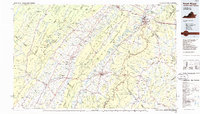 1986 Front Royal1986 Print · USGSThe northern Shenandoah Valley and the Blue Ridge crest are captured here in the mid-eighties as modern highways began to bypass historic valley towns. Researchers can trace ancestral connections near Peola Mills, navigate the gaps like Manassas Gap, or study the river bends around Luray.3 unique versions available
 - 1994 Map of Edinburg, 1997 Print
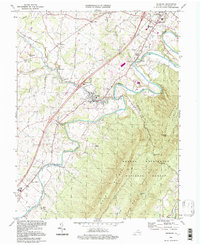 1994 Edinburg1997 Print · USGSThe Shenandoah Valley in the late twentieth century remains a landscape shaped by its river and ridges, from the streets of Edinburg to the heights of Powell Mountain. Genealogists and local historians can locate rural landmarks like Cedarwood Cem, Wesley Chapel, and the historic Massanutten Military Academy.
 - 1994 Map of Toms Brook, 1997 Print
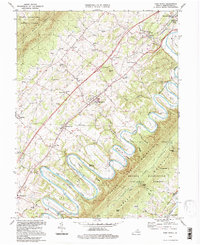 1994 Toms Brook1997 Print · USGSShenandoah Valley life in the mid-to-late twentieth century is captured here as the river meanders through the famous Seven Bends. Researchers can trace old family sites and rural infrastructure, from the County Home and Keller Cem to the Burnshire Bridge and St Johns Ch.
 - 1994 Map of Rileyville, 1997 Print
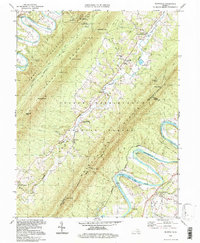 1994 Rileyville1997 Print · USGSShenandoah and Page Counties are shown in the mid-1990s, where the Shenandoah River loops around the ridges of Massanutten Mountain. Researchers can locate ancestral sites like Rileyville, Goods Mill, and rural congregations at Saint Davids Church or White Chapel.
 - 1994 Map of Woodstock, 1997 Print
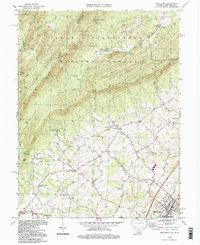 1994 Woodstock1997 Print · USGSThe Shenandoah Valley and the rugged ridges of the national forest are captured here in the mid-1990s. Genealogists and historians can trace families across the settlements of St Luke and Alonzaville, or locate landmarks like Van Buren Furnace and Massanutten Military Academy.
 - 2011 Map of Woodstock, 2011 Print
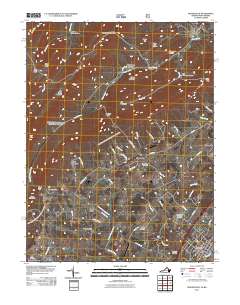 2011 Woodstock2011 Print · USGSShenandoah County life is documented here in the early twenty-first century, spanning the valley from Woodstock to the western ridges. Genealogists can trace family sites at Mount Zion Cemetery, Alonzaville, and the historic Van Buren Furnace industrial area.
 - 2011 Map of Edinburg, 2011 Print
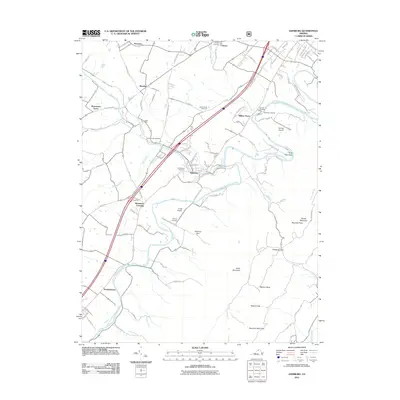 2011 Edinburg2011 Print · USGSShenandoah County comes into focus in this early twenty-first century study of the valley and its mountain boundaries. Genealogists can trace family footprints at Union Forge Cemetery and Lantz Mills or follow the river to Edinburg Dam.
 - 2011 Map of Toms Brook, 2011 Print
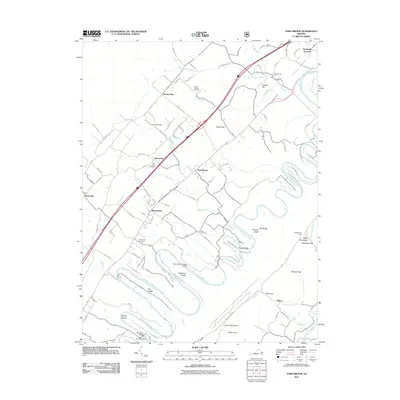 2011 Toms Brook2011 Print · USGSThe Shenandoah Valley and its winding river corridor are documented here just after the turn of the twenty-first century. Genealogists and local historians can trace family plots at Valley Pike Cemetery or explore river landmarks like Burnshire Dam and Strasburg Junction.
 - 2011 Map of Rileyville, 2011 Print
 2011 Rileyville2011 Print · USGSNear the forks of the Shenandoah in the early twenty-first century, this area reveals a landscape tied to the river and the mountain gaps. Researchers can locate family landmarks like Munch Cemetery, old river access points at Fosters Landing, and the settlement of Rileyville.
 - 2013 Map of Rileyville, 2013 Print
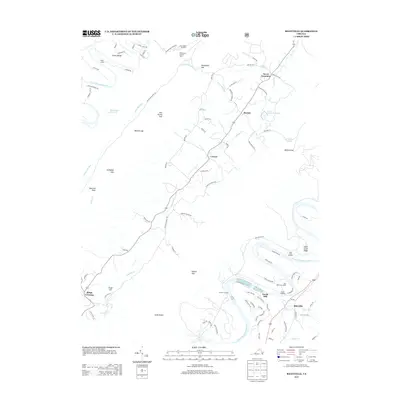 2013 Rileyville2013 Print · USGSThe North and South Forks of the Shenandoah River frame this Virginia mountain landscape in the early twenty-first century. Genealogists and local historians can trace family locations near Seven Fountains, the riverfront at Goods Mill, and the mountain passage at Habron Gap.
 - 2013 Map of Edinburg, 2013 Print
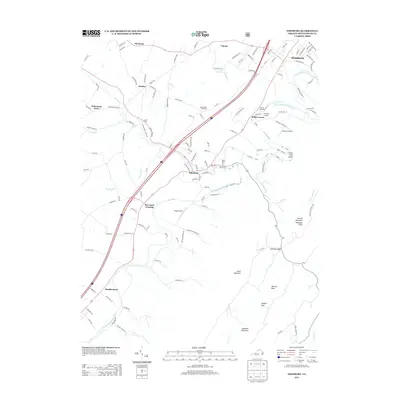 2013 Edinburg2013 Print · USGSThe Shenandoah Valley remains a patchwork of river bends and mountain gaps in the early twenty-first century. Researchers can trace local landmarks like Narrow Passage, the small community of Lantz Mills, and the rugged heights of Mertins Rock.
Showing maps 1-25 of 39
Top cities near Woodstock
- Strasburg historical maps
- Luray historical maps
- New Market historical maps
- Mount Jackson historical maps
- Edinburg historical maps
- Maurertown historical maps
See more
Frequently asked questions
- What are the different types of historical maps available for Woodstock?
- What is the oldest map of Woodstock?
- Where can I purchase historical maps of Woodstock for my home or office?
- Where can I download high-res historical maps of Woodstock?
- Are there historical topographic maps available for Woodstock?
- Is there historical aerial imagery available for Woodstock?
- Where are historical maps of Woodstock sourced from?