Old Maps of Omak, Washington for Hiking & Exploration
Hike through history with 18 historic maps of Omak. Explore old trails, ghost towns, and forgotten backroads — perfect for outdoor adventurers and local explorers.
- Rediscover forgotten places: Map out old mining camps, roads, and footpaths that no longer exist on modern maps.
- Layer with modern tools: Combine with LiDAR or satellite views to plan hikes through historical terrain.
- Made for exploration: Popular among hikers, overlanders, and local history lovers.
Use these maps to find adventure and explore the hidden past of Omak.
Omak, WA maps
(18)- 1905 Map of Okanogan
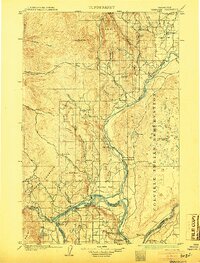 1905 Okanogan1905 Print · USGSThe Okanogan and Columbia rivers converge in this early 1900s survey, showing the region when river ferries were the primary links between frontier settlements. Researchers can trace the original locations of Bruster, Alma, and Olema, or locate historical river crossings like Central Ferry and Andrews Ferry.3 unique versions available
 - 1953 Map of Omak Lake, 1956 Print
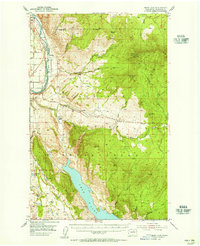 1953 Omak Lake1956 Print · USGSThe Okanogan River valley and the Colville Indian Reservation are captured here in the early fifties, showing the region's transition into the modern era. Genealogists and historians can trace the Great Northern rail line and locate landmarks like St Marys Mission and the settlement of Riverside.2 unique versions available
 - 1954 Map of Okanogan, 1964 Print
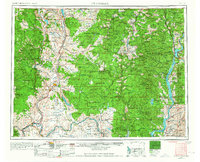 1954 Okanogan1964 Print · USGSNorth Central Washington’s interior comes into focus during the mid-fifties, showing the rise of the Columbia River reservoir system. Genealogists and historians can trace the Great Northern rail line and locate historical mining operations at the Mountain Lion Mine or Gold Hill Mine.2 unique versions available
 - 1957 Map of Okanogan
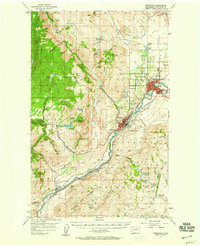 1957 Okanogan1957 Print · USGSThe Okanogan River valley comes alive in this late-fifties survey, capturing the region's growth along the Great Northern rail line. Trace the development of Okanogan and Omak, or locate family sites at Malott, the Ruby mining site, and Okanogan Cemetery.2 unique versions available
 - 1958 Map of Okanogan
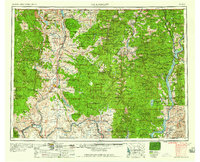 1958 Okanogan1958 Print · USGSThe Okanogan River valley and the Colville Indian Reservation are shown here in the late fifties, during a period of established river and rail commerce. Researchers can trace the Great Northern line through Oroville or locate landmarks like the Knowlton School and Orient Ranger Station.
 - 1980 Map of Omak
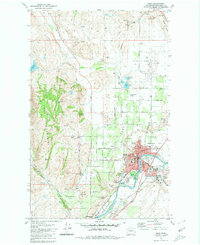 1980 Omak1980 Print · USGSThe Okanogan River valley comes into focus during the early 1980s, showcasing the development between Omak and Okanogan. Genealogists and historians can trace family sites at Okanogan Memorial Gardens, the Brook Mine, and Wenatchee Valley College.2 unique versions available
 - 1980 Map of The Pothole, 1981 Print
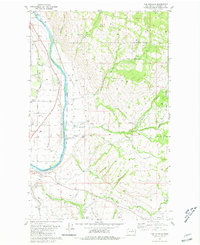 1980 The Pothole1981 Print · USGSOkanogan County's river valley and reservation lands are captured here in the mid-1970s. Local researchers can trace the Burlington Northern line past Cherokee and locate historical sites like St Marys Mission and Riverview Cem.2 unique versions available
 - 1983 Map of Omak
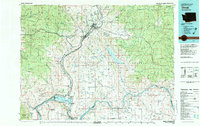 1983 Omak1983 Print · USGSIn the early 1980s, the Okanogan and Columbia river valleys served as a vital agricultural and timber hub. Researchers can trace family-named landmarks like Pearl Hill and Jackass Butte, alongside vanished mining history at the Red Shirt Mine.2 unique versions available
 - 2011 Map of The Pothole, 2011 Print
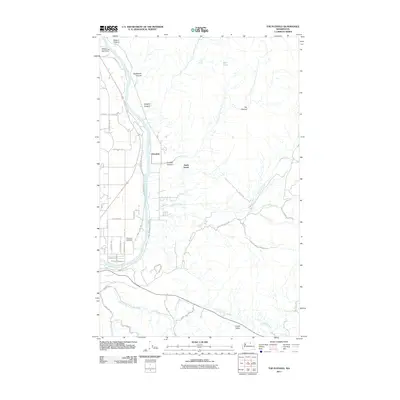 2011 The Pothole2011 Print · USGSOkanogan County near the river's edge is captured here in the early 2010s, showing the intersection of tribal lands and local settlements. Researchers can trace land use near North Omak, locate the Riverview Cemetery, and identify geographic landmarks like The Pothole.
 - 2011 Map of Omak, 2011 Print
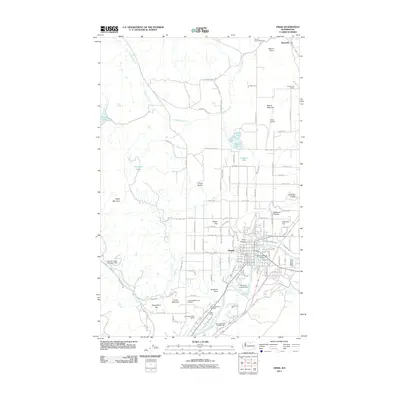 2011 Omak2011 Print · USGSThe Okanogan River valley comes into focus in this early twenty-first-century survey of the Omak area. Genealogists and researchers can trace local irrigation systems like Low Line Ditch and find landmarks such as Omak Memorial Cemetery and Riverside.
 - 2014 Map of The Pothole, 2014 Print
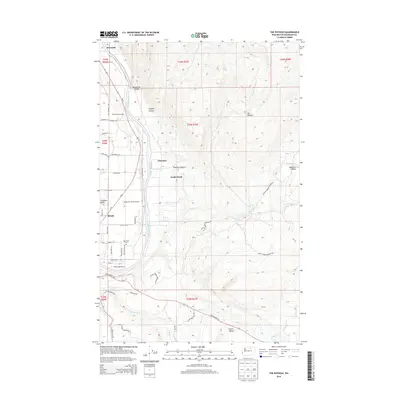 2014 The Pothole2014 Print · USGSThe Okanogan River valley comes into sharp focus during the mid-2010s, showing the intersection of agricultural developments and the Colville Indian Reservation. Trace local family history through the Riverview Cem and the small communities of Riverside and Cherokee.
 - 2014 Map of Omak, 2014 Print
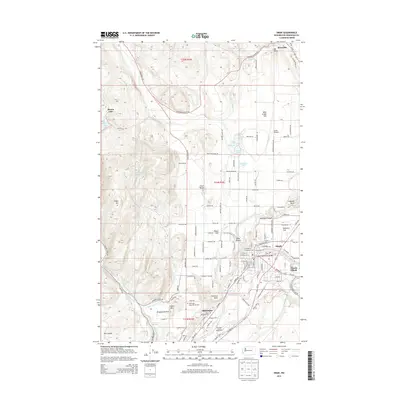 2014 Omak2014 Print · USGSUpper Okanogan Valley life is captured here in the early twenty-first century as the river connects the communities of Omak and Okanogan. Researchers can trace irrigation networks like the Low Line Ditch or locate family sites near Gregory Tracts and local cemeteries.
 - 2017 Map of The Pothole, 2017 Print
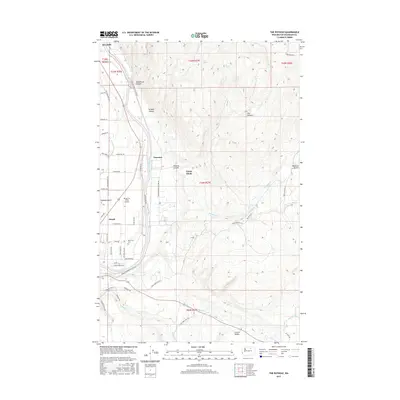 2017 The Pothole2017 Print · USGSOkanogan County's river valley and high plateau are captured here in the late twenty-tens, showing the growth of Omak and Riverside. Researchers can locate specific sites like Riverview Cem, the Wings For Christ Airport, and the unusual basin at The Pothole.
 - 2017 Map of Omak, 2017 Print
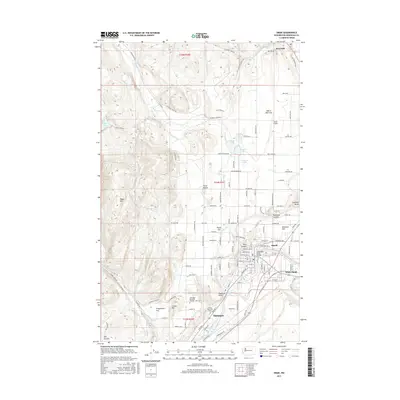 2017 Omak2017 Print · USGSThe Okanogan River valley comes into sharp focus during the late 2010s, showcasing the close-knit relationship between the towns of Omak and Okanogan. Researchers can trace the irrigation systems of the Highline Ditch and find resting places at Omak Memorial Cem.
 - 2020 Map of Omak, 2020 Print
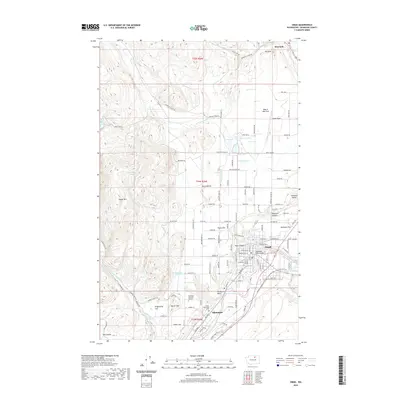 2020 Omak2020 Print · USGSThe Okanogan River valley serves as a hub of irrigation and settlement in this 2020 record of Central Washington. Researchers can trace historic cemeteries such as Omak Memorial Cem, early water infrastructure like the High Line Ditch, and the layout of Omak and Okanogan.
 - 2020 Map of The Pothole, 2020 Print
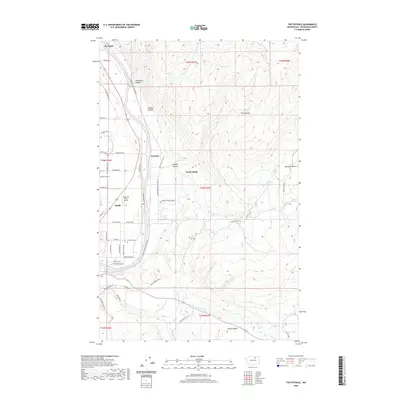 2020 The Pothole2020 Print · USGSThe Okanogan River valley comes into sharp focus during the late twenty-teens, showing the unique intersection of riverside agriculture and high-plateau terrain. Family historians and local researchers can trace legacy landmarks like Riverview Cem, the Wings For Christ Airport, and small settlements at Cherokee and North Omak.
 - 2023 Map of The Pothole, 2023 Print
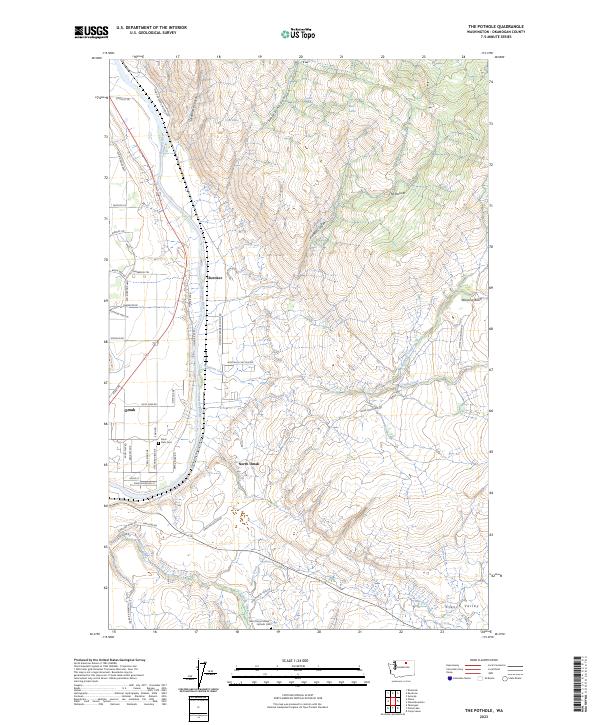 2023 The Pothole2023 Print · USGSThe Okanogan River valley comes alive in this contemporary survey of the settlements and highland canyons north of the river. Genealogists and local historians can trace the grounds of Saint Marys Mission Catholic Cem and Sand Flats Cem or explore the drainage of Pothole Canyon.
 - 2023 Map of Omak, 2023 Print
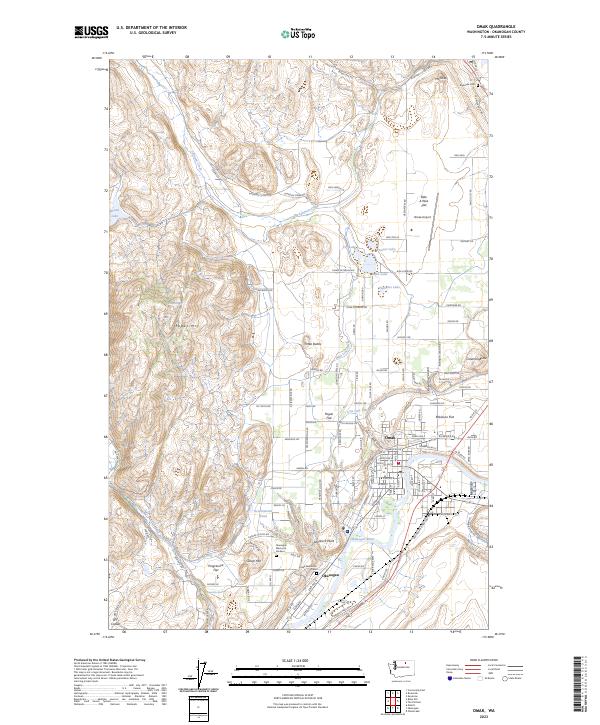 2023 Omak2023 Print · USGSThe Okanogan River valley and its surrounding agricultural plateaus are documented here in recent years. Researchers can trace irrigation networks and family sites across Pogue Flat, Robinson Flat, and near the Omak Memorial Cem.
End of results
Showing maps 1-18 of 18
Top cities near Omak
Frequently asked questions
- What are the different types of historical maps available for Omak?
- What is the oldest map of Omak?
- Where can I purchase historical maps of Omak for my home or office?
- Where can I download high-res historical maps of Omak?
- Are there historical topographic maps available for Omak?
- Is there historical aerial imagery available for Omak?
- Where are historical maps of Omak sourced from?