Old Maps of Ilwaco, Washington
Explore 26 old maps of Ilwaco, spanning from 1938 to today. These high-resolution historic maps reveal how streets, neighborhoods, landmarks, and natural features evolved over time — perfect for genealogy, metal detecting, research, and local history exploration.
What you can do with these maps:
- See how Ilwaco changed over time: Compare historical maps to modern-day views to trace roads, homesites, rail lines & more.
- View detailed metadata: Each map includes creators, publishers, year, scale, and archive source.
- Overlay maps with satellite & LiDAR: Visualize the past alongside modern tools to explore terrain & human change.
- Trusted historical sources: Maps sourced from the USGS, Library of Congress, and other archives.
- Access maps your way: View online, download high-res files, or order prints for personal or research use.
Start exploring old maps of Ilwaco to uncover forgotten places, hidden landmarks, and the deep history beneath your feet.
Ilwaco, WA maps
(26)- 1938 Map of Cape Disappointment
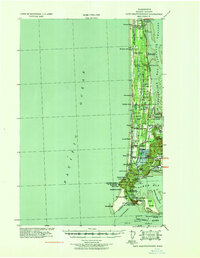 1938 Cape Disappointment1938 Print · USGSThe Long Beach Peninsula in the late 1930s was a bustling landscape of oyster docks, coastal ranches, and military outposts. Genealogists can trace family holdings like the Loomis Ranch or find local landmarks including the Moby Dick Hotel and Fort Canby.
 - 1938 Map of Fort Columbia, 1957 Print
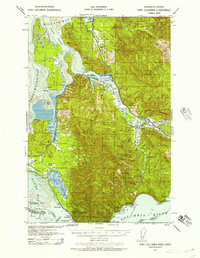 1938 Fort Columbia1957 Print · USGSCoastal Washington and the Columbia River estuary appear in the late 1930s, showing a landscape of maritime defense and family-run ranches. Trace historic local landmarks like the Fort Columbia Military Reservation, the Peaceful Hill Cem, and the U S Quarantine Station.2 unique versions available
 - 1943 Map of Fort Columbia
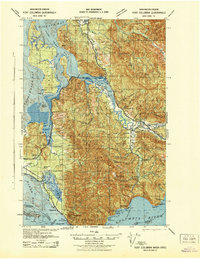 1943 Fort Columbia1943 Print · USGSThe coastal defense and river economy of Pacific County are captured here during the wartime era. Genealogists and historians can locate numerous family-named landmarks like Gile Ranch or Kyle Ranch alongside the Naselle State Salmon Hatchery and Fort Columbia.
 - 1943 Map of Copalis Beach
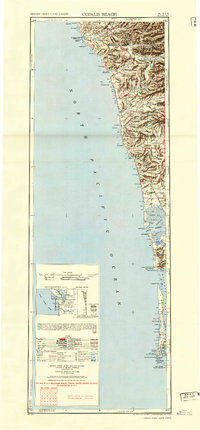 1943 Copalis Beach1943 Print · USGSThe Washington coast in the 1940s is detailed here from the Olympic Peninsula to the Columbia River. Trace old beach settlements like Moclips and Copalis Beach alongside landmarks like the Willapa Bay Lighthouse.
 - 1949 Map of Chinook, 1954 Print
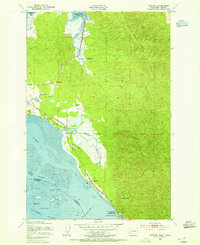 1949 Chinook1954 Print · USGSThe mouth of the Columbia River and the rugged Pacific County coastline are captured here in the mid-twentieth century. Genealogists and local historians can trace family landholdings like Goulter Ranch and Beeker Ranch alongside landmarks like Stringtown and Fort Columbia Military Reservation.4 unique versions available
 - 1949 Map of Cape Disappointment, 1955 Print
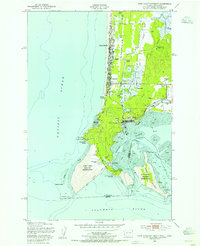 1949 Cape Disappointment1955 Print · USGSThe Washington coast at the mouth of the Columbia River comes alive in this mid-century survey of the Long Beach Peninsula. Genealogists and local historians can trace family properties like Christorf Ranch, visit the Lone Fir Cem, or locate the historic Fort Canby military grounds.4 unique versions available
 - 1951 Map of Copalis Beach
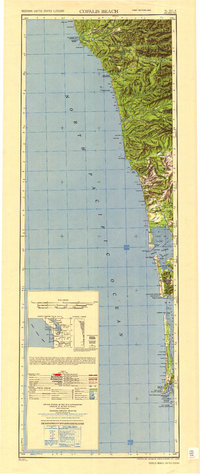 1951 Copalis Beach1951 Print · USGSThe Olympic Peninsula's rugged coast and tribal lands are meticulously detailed in the early 1950s. Genealogists and historians can trace the foundations of coastal communities from Taholah to La Push or locate early markers like the James Island Lighthouse.
 - 1953 Map of Hoquiam
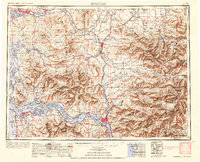 1953 Hoquiam1953 Print · USGSSouthwest Washington in the early fifties shows a landscape shaped by timber, rail, and river commerce from the coast to the Cascades. Genealogists and historians can trace the development of timber towns like Ryderwood and the industrial hubs of Hoquiam and Kelso.2 unique versions available
 - 1957 Map of Hoquiam
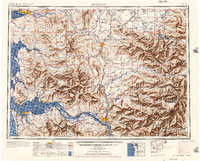 1957 Hoquiam1957 Print · USGSCoastal timber ports and inland rail hubs define Southwest Washington during the late fifties. Genealogists can trace early twentieth-century settlements like Bordeaux, Tono, and Cosmopolis alongside the expanding tracks of the Northern Pacific.
 - 1957 Map of Copalis Beach, 1968 Print
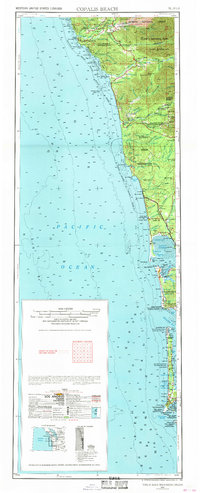 1957 Copalis Beach1968 Print · USGSThe Washington coast during the late fifties reveals a landscape of tribal reservations and timber towns linked by the Northern Pacific RR. Trace family history and land patterns near Forks Cemetery, the shingle mill, or coastal landings like Taholah and Oysterville.2 unique versions available
 - 1958 Map of Hoquiam, 1969 Print
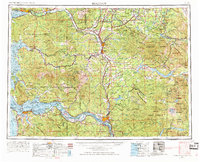 1958 Hoquiam1969 Print · USGSSouthwest Washington and the Columbia River estuary appear here in the mid-century, before major landscape shifts. Researchers can trace the rail lines of the Northern Pacific, locate the Fort Henness Site, or explore the Naselle Air Force Station.2 unique versions available
 - 1962 Map of Hoquiam
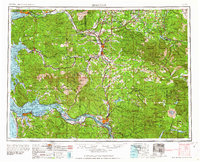 1962 Hoquiam1962 Print · USGSSouthwest Washington in the late fifties is defined by the bustling timber ports of Hoquiam and the rail-linked commerce of the interior valleys. Genealogists and historians can trace the early footprints of settlements like Raymond and Pe Ell, or locate family sites at Grand Mound Cem and Odd Fellows Cem.
 - 1963 Map of Copalis Beach
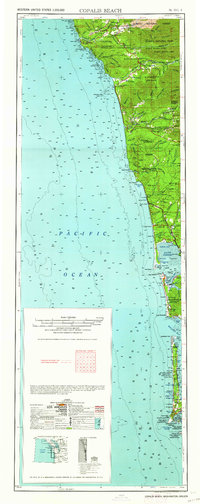 1963 Copalis Beach1963 Print · USGSThe Washington coast in the early sixties reveals a landscape of massive timber reserves, indigenous lands, and quiet seaside villages. Genealogists and historians can trace the foundations of coastal life through sites like Lone Fir Cemetery, the Dismantled RR, and the historic oyster beds of Oysterville.
 - 1980 Map of Ilwaco, 1989 Print
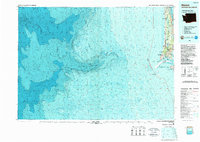 1980 Ilwaco1989 Print · USGSThe Washington-Oregon borderlands come into focus during the 1980s, revealing the coastal communities of the North Beach Peninsula and the mouth of the Columbia. Researchers can trace historical sites like Fort Canby State Park, locate the North Head Lighthouse, and explore the shoreline from Ocean Park to Ilwaco.
 - 1981 Map of Astoria, 1982 Print
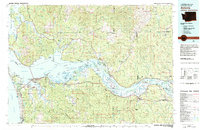 1981 Astoria1982 Print · USGSThe Oregon and Washington borderlands meet at the Columbia River estuary in the early eighties, a time of active timber transport and maritime trade. Researchers can trace the river's many islands, the grounds of Fort Stevens, and riverside towns like Cathlamet and Westport.3 unique versions available
 - 1984 Map of Chinook, 1985 Print
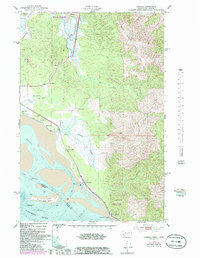 1984 Chinook1985 Print · USGSThe Washington coast met the Columbia River in the mid-1980s as a land of tide-influenced marshes and family-run ranches. Researchers can trace land holdings at Kyle Ranch and Beeker Ranch or locate the shoreline lights at Sand Island.
 - 2011 Map of Chinook, 2011 Print
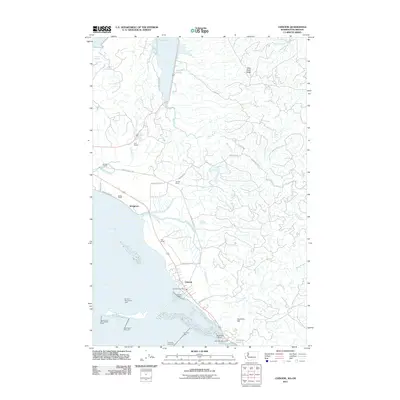 2011 Chinook2011 Print · USGSThe northern shore of the Columbia River comes to life in this survey of the Washington coast in the early twenty-first century. Researchers can trace the layout of Chinook, locate the Fort Columbia Tunnel, and find family-run properties like Gile Ranch and Kyle Ranch.
 - 2011 Map of Cape Disappointment, 2011 Print
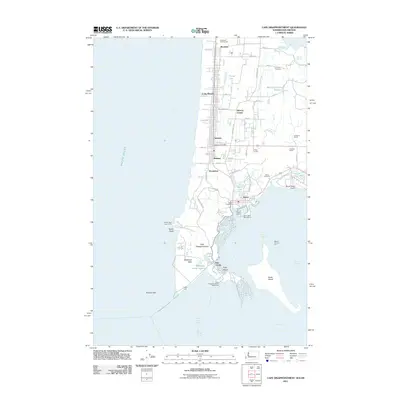 2011 Cape Disappointment2011 Print · USGSThe Long Beach Peninsula in 2011 shows a landscape defined by its maritime heritage and the meeting of the river and sea. Researchers can trace landownership at Johnson Ranch, locate the historic Fort Canby, or find family records at Lone Fir Cemetery and Ilwaco Cemetery.
 - 2014 Map of Chinook, 2014 Print
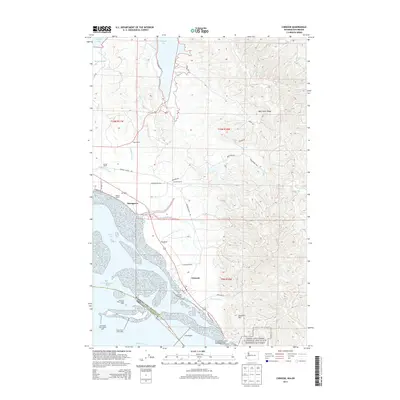 2014 Chinook2014 Print · USGSThe Pacific Northwest coast at the mouth of the Columbia River comes alive in this study of maritime and ranching life. Genealogists and local historians can trace family properties like Kyle Ranch and Beeker Ranch or locate the old docks at McGowan.
 - 2014 Map of Cape Disappointment, 2014 Print
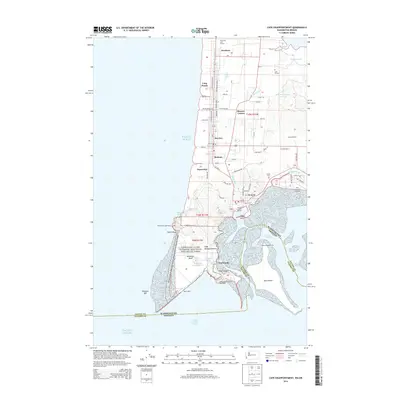 2014 Cape Disappointment2014 Print · USGSThe Long Beach Peninsula in the early twenty-first century remains a critical maritime hub where the Columbia River meets the Pacific. Researchers can trace land holdings like Pugh Ranch or locate historical sites such as Fort Canby and the North Head Lighthouse.
 - 2017 Map of Cape Disappointment, 2017 Print
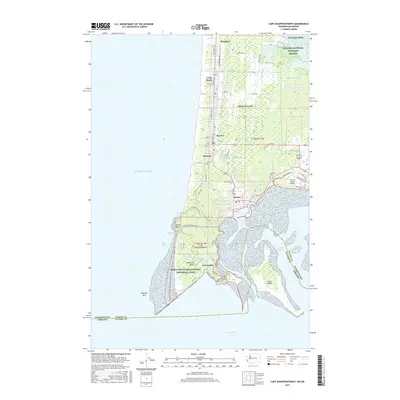 2017 Cape Disappointment2017 Print · USGSThe Long Beach Peninsula at the edge of the Pacific comes into focus, showing the maritime interface of the Columbia River. Genealogists and historians can trace cemetery locations like Lone Fir Cem and explore the grounds of Fort Canby and Ilwaco.
 - 2017 Map of Chinook, 2017 Print
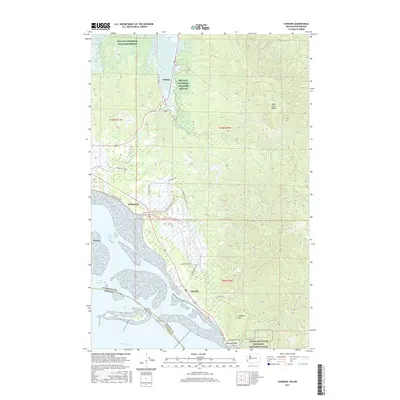 2017 Chinook2017 Print · USGSThe mouth of the Columbia River and the southern reaches of the Long Beach Peninsula appear here in contemporary detail. Trace the coastal communities of Chinook, Ilwaco, and Stringtown, or follow the Fort Columbia Tunnel through Chinook Point near the Columbia River shore.
 - 2020 Map of Cape Disappointment, 2020 Print
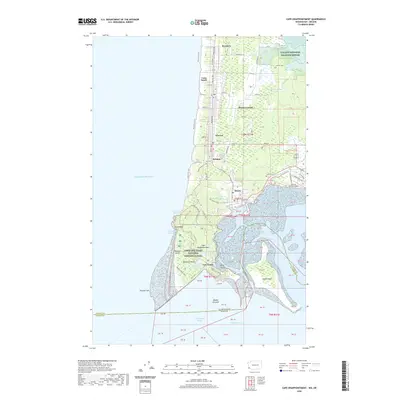 2020 Cape Disappointment2020 Print · USGSThe Long Beach Peninsula at the turn of the decade shows a storied maritime landscape where the Columbia meets the Pacific. Trace local family history and coastal defense heritage near Fort Canby, Ilwaco Cemetery, and the historic village of Seaview.
 - 2020 Map of Chinook, 2020 Print
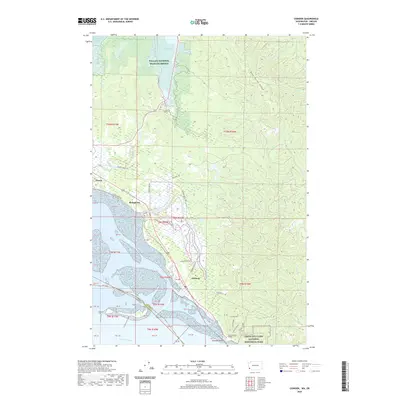 2020 Chinook2020 Print · USGSThe mouth of the Columbia River comes to life on this coastal map of Pacific County. Researchers can trace the waterfront history of Ilwaco and Chinook, or locate family landmarks along Military Road and Stringtown.
 - 2023 Map of Cape Disappointment, 2023 Print
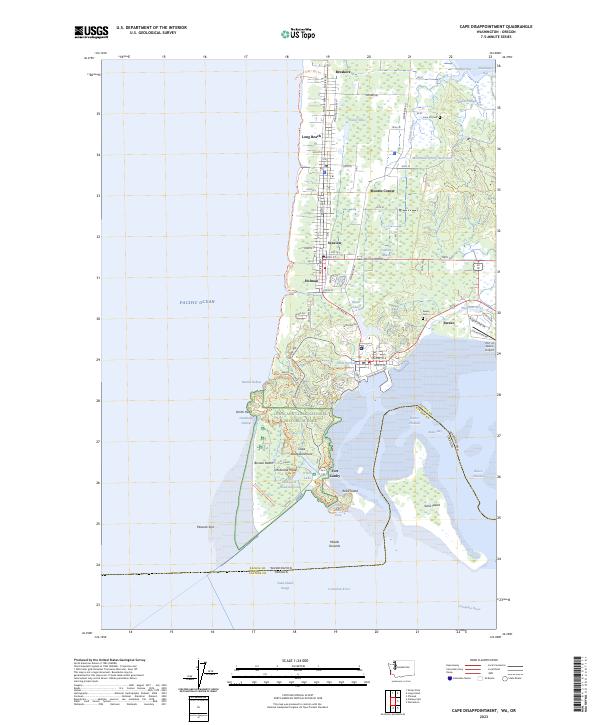 2023 Cape Disappointment2023 Print · USGSThe Long Beach Peninsula meets the Columbia River in the early 2020s, showing a landscape of maritime history and coastal settlements. Trace local heritage through the Lone Fir Cem, the grounds of Fort Canby, and the waterfront at Ilwaco.
Showing maps 1-25 of 26
Top cities near Ilwaco
- Astoria historical maps
- Warrenton historical maps
- Ocean Park historical maps
- Long Beach historical maps
Frequently asked questions
- What are the different types of historical maps available for Ilwaco?
- What is the oldest map of Ilwaco?
- Where can I purchase historical maps of Ilwaco for my home or office?
- Where can I download high-res historical maps of Ilwaco?
- Are there historical topographic maps available for Ilwaco?
- Is there historical aerial imagery available for Ilwaco?
- Where are historical maps of Ilwaco sourced from?