Old Maps of Alma, Wisconsin for Academic Research
Study the evolution of Alma with 37 high-resolution historic maps. Whether you're teaching, researching, or modeling changes in land use, these maps provide essential visual documentation of urban, environmental, and geographic change.
- Analyze long-term change: Track patterns in development, transportation, and natural features.
- Ideal for environmental or urban studies: Support academic projects with primary historical map data.
- Use in the classroom or lab: Educators and researchers rely on these maps to bring historical context to life.
These maps are a powerful tool for teaching, research, and visualizing how Alma has changed over the decades.
Alma, WI maps
(37)- 1932 Map of Gilmanton
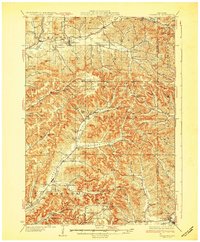 1932 Gilmanton1932 Print · USGSBuffalo and Trempealeau Counties appear here in the early thirties, showing a rural landscape organized around deep valleys and high ridges. Genealogists can locate dozens of family-named landmarks and country schools like Lookout Sch and the Irish Valley Sch.2 unique versions available
 - 1932 Map of Alma
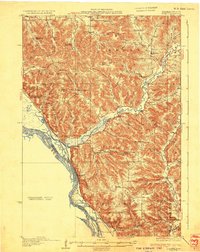 1932 Alma1932 Print · USGSThe river valleys and high ridges of Buffalo County are captured here in the early 1930s, showing a landscape of small farms and rural schoolhouses. Genealogists and local historians can trace the foundations of this community through dozen of school sites like Mill Creek Sch and Cascade Sch, alongside the U S Game Refuge and the rail lines through Alma.2 unique versions available
 - 1950 Map of Alma, 1952 Print
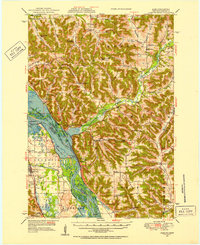 1950 Alma1952 Print · USGSThe Mississippi River valley serves as a bustling corridor for rail and river traffic at mid-century. Genealogists can trace family roots through numerous rural landmarks like St Paul Ch, Church Valley Cem, and the riverfront town of Alma.8 unique versions available
 - 1953 Map of Eau Claire, 1965 Print
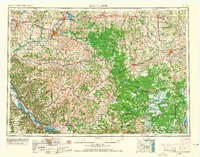 1953 Eau Claire1965 Print · USGSWest-central Wisconsin in the mid-fifties shows a landscape of river-valley industry and vast wildlife refuges during the transition from rails to modern highways. Genealogists and historians can trace the rail corridors of the Chicago and North Western or locate family-named landmarks like Decorah Mound and Chippewa Island.4 unique versions available
 - 1958 Map of Eau Claire
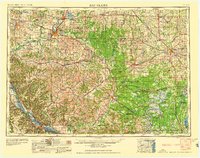 1958 Eau Claire1958 Print · USGSWestern Wisconsin in the late fifties shows a landscape of growing regional hubs and massive wildlife refuges. Trace the rail lines of the Chicago and North Western between Eau Claire and Marshfield, or explore the terrain around Iron Mound and Lake Wissota.
 - 1964 Map of Eau Claire
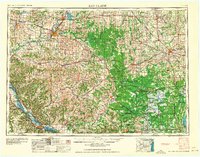 1964 Eau Claire1964 Print · USGSWest-central Wisconsin in the mid-1960s was a hub of river-driven industry and expanding rail networks. Researchers can trace historic homesteads near Menomonie, follow the Soo Line RR through Marshfield, or explore the grounds of the Camp McCoy Military Reservation.
 - 1973 Map of Gilmanton, 1975 Print
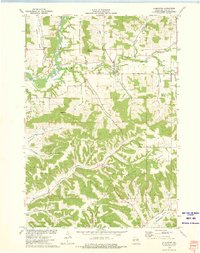 1973 Gilmanton1975 Print · USGSBuffalo County agriculture and topographic relief are on full display in the early 1970s as the town of Gilmanton sits nestled among deep drainage valleys. Researchers can trace family sites near Gilmanton Cem, locate the small settlement of Praag, or follow the winding Buffalo River.
 - 1974 Map of Alma, 1976 Print
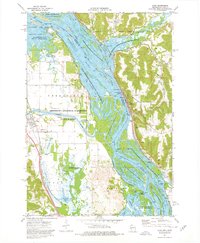 1974 Alma1976 Print · USGSThe Upper Mississippi River corridor is captured here in the mid-1970s, showing the intricate wetlands and industrial river crossings of the border region. You can trace the rail lines of the Burlington Northern and locate sites like Lock and Dam No 4 or the Mill Creek Cem.2 unique versions available
 - 1974 Map of Modena, 1977 Print
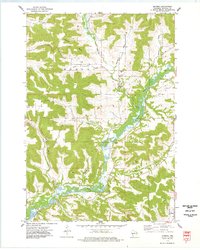 1974 Modena1977 Print · USGSThe Buffalo River valley and its many winding coulees define this mid-1970s survey of rural Buffalo County. Genealogists and researchers can trace family lands near Modena, Tell, and Praag, or locate landmarks like St Paul Ch and Modena Cem.
 - 1974 Map of Urne, 1977 Print
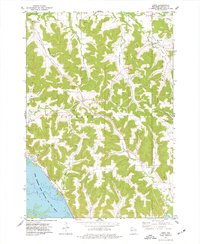 1974 Urne1977 Print · USGSBuffalo County's river bluffs and interior valleys are captured here in the mid-seventies, showing the intersection of rail transport and rural life. Researchers can locate family landmarks like Lyster Ch, Church Valley Cem, and the tracks of the Burlington Northern.
 - 1974 Map of Cream, 1977 Print
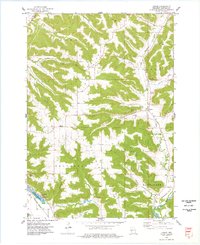 1974 Cream1977 Print · USGSBuffalo County is shown in the mid-1970s as a landscape of deep valleys and prominent ridges tied together by rural family churches. Genealogists can locate several local burial grounds, including Lincoln Cem and Anchorage Cem, alongside the small crossroads of Cream.
 - 1985 Map of Winona
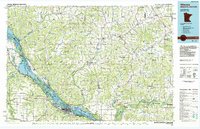 1985 Winona1985 Print · USGSThe Mississippi River valley and the coulees of the Driftless Area are shown here in the mid-1980s as the river's lock-and-dam system was well-established. Researchers can trace the riverfront at Winona, explore the bluffs near Galesville, or locate landmarks like Sugarloaf and Merrick State Park.2 unique versions available
 - 2010 Map of Modena, 2010 Print
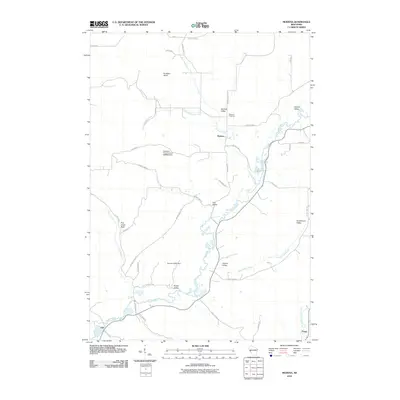 2010 Modena2010 Print · USGSBuffalo County is shown here in the late 2000s, characterized by the winding Buffalo River and its many tributary valleys. Researchers can trace local genealogy and land use through named landmarks like Modena Cemetery, Erickson Bluff, and the settlement of Tell.
 - 2010 Map of Gilmanton, 2010 Print
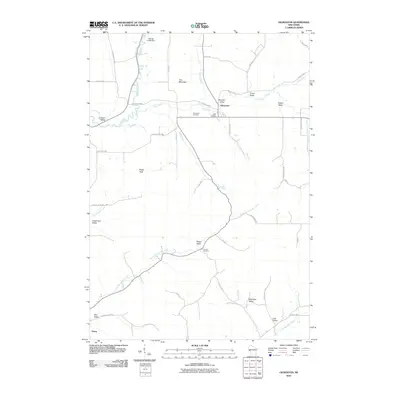 2010 Gilmanton2010 Print · USGSWisconsin's coulee country is captured in this recent study of Buffalo County’s winding valleys and ridge-top roads. Genealogists and local historians can locate early burial sites at Gilmanton Cemetery and Lincoln Cemetery, or trace the waterways of Buffalo River and Little Waumandee Creek.
 - 2010 Map of Cream, 2010 Print
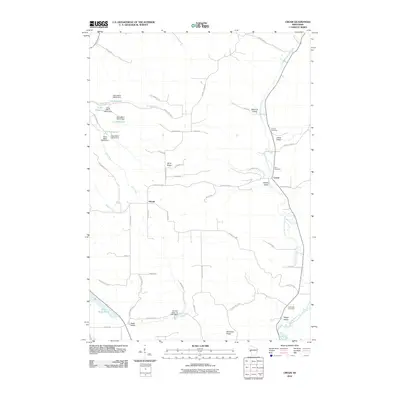 2010 Cream2010 Print · USGSBuffalo County's agricultural heartland is documented here at the start of the 2010s, showing a landscape of deep valleys and high ridges. Genealogists can locate family landmarks like Zion Cemetery and Anchorage Cemetery or trace the early milling sites of Alma Mill 5 and Herold.
 - 2010 Map of Urne, 2010 Print
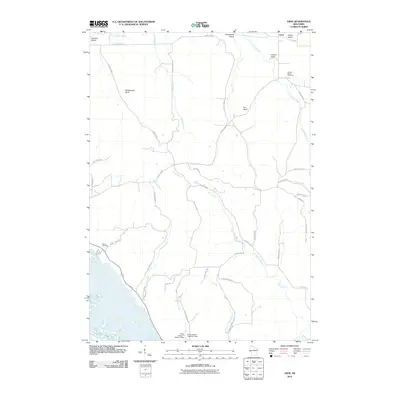 2010 Urne2010 Print · USGSBuffalo County's rugged coulee country is captured here in the early twenty-first century, showcasing the deeply carved valleys and bluffs north of the Mississippi. Researchers can locate family landmarks like Church Valley Cemetery, the settlement of Urne, and Nelson Cemetery.
 - 2011 Map of Alma, 2011 Print
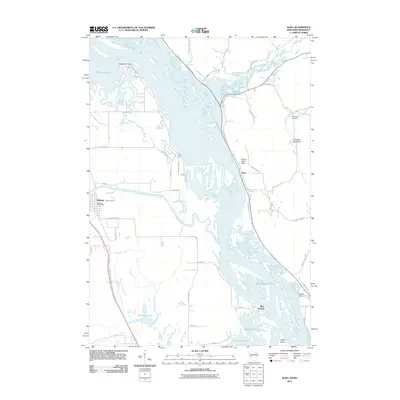 2011 Alma2011 Print · USGSThe riverfront communities of the Mississippi valley appear in the early 2010s as the river winds past Alma and Kellogg. Researchers can trace local landmarks like the Mill Creek Cemetery, the Kellogg Post Office, and the industrial Alma Mill 1 D6519 Dam.
 - 2013 Map of Modena, 2013 Print
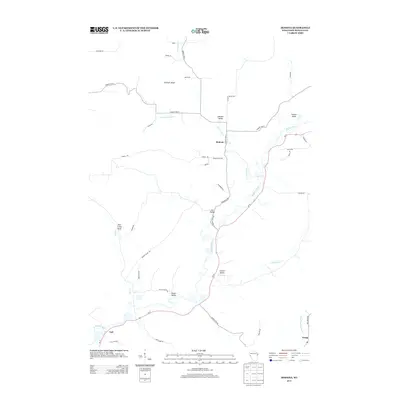 2013 Modena2013 Print · USGSBuffalo County’s rural coulees and river bottoms are documented here in the early twenty-first century. Genealogists and local historians can trace family-named landmarks through German Valley, Erickson Bluff, and the small communities of Modena and Tell.
 - 2013 Map of Gilmanton, 2013 Print
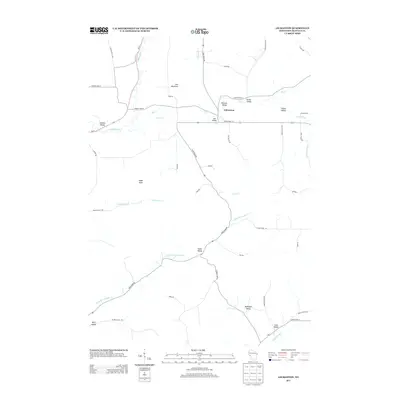 2013 Gilmanton2013 Print · USGSBuffalo County agriculture and river valley geography are detailed in this 2010s study of the Gilmanton area. Genealogists can trace family-named landmarks through the coulees, from Fisken Valley and Stage Valley to the heights of Eagle Peak.
 - 2013 Map of Cream, 2013 Print
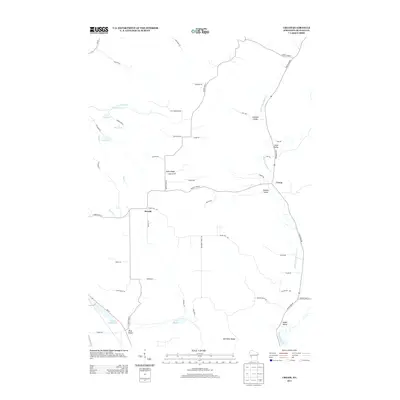 2013 Cream2013 Print · USGSBuffalo County's coulee country is documented here in the early twenty-first century, showing the enduring agricultural character of the region. Researchers can trace family-named landmarks and valley settlements including Herold, Cream, and the waters of Lizzy Pauls Pond.
 - 2013 Map of Alma, 2013 Print
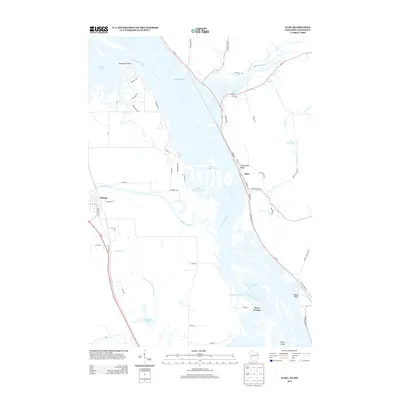 2013 Alma2013 Print · USGSThe Upper Mississippi River valley in the early 2010s reveals a complex landscape of islands and riverfront settlements. Researchers can trace the river's path past Twelve Mile Bluff to the town of Alma, or explore the winding Zumbro River near Kellogg.
 - 2013 Map of Urne, 2013 Print
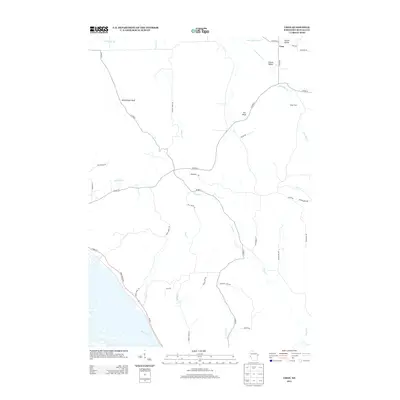 2013 Urne2013 Print · USGSBuffalo County's bluff country is captured here in the early twenty-first century, showing the rural settlement patterns near the Mississippi River. Genealogists and researchers can trace family lands such as Klopp Farm and landmark features like Rattlesnake Bluff and Urne.
 - 2015 Map of Cream, 2015 Print
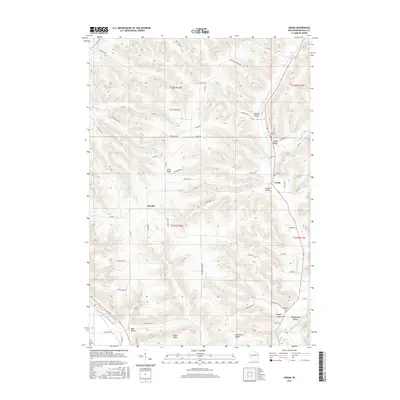 2015 Cream2015 Print · USGSBuffalo County's ridge-and-valley landscape is captured here in the mid-2010s, showing the enduring rural character of the Waumandee area. Researchers can locate family burial plots at Lincoln Cem and trace homesteads in Schmidt Valley or near Herold.
 - 2015 Map of Modena, 2015 Print
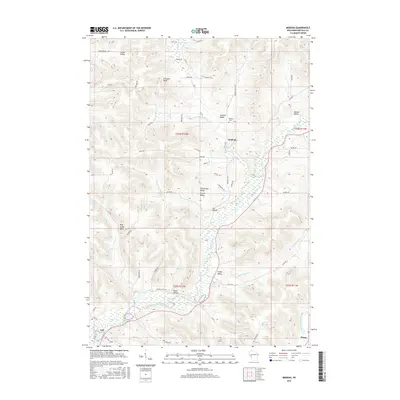 2015 Modena2015 Print · USGSBuffalo County agriculture and river-carved terrain are documented here in the mid-2010s, showing the rural settlements of Modena and Tell. Researchers can locate family landmarks across the landscape, from Erickson Bluff to the many named hollows like French Valley and German Valley.
 - 2015 Map of Alma, 2015 Print
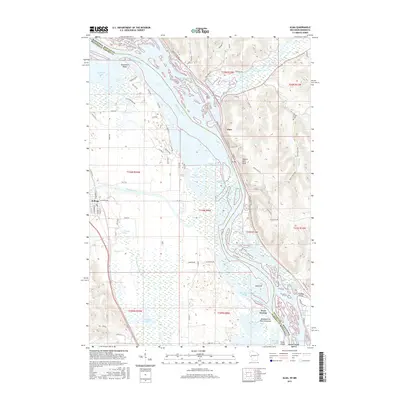 2015 Alma2015 Print · USGSThe Upper Mississippi River valley comes alive in this study of the border between Wisconsin and Minnesota. Researchers can trace riverside heritage from Alma to Kellogg, locating landforms like Twelve Mile Bluff and historic sites such as Mill Creek Cem.
Showing maps 1-25 of 37
Top cities near Alma
- Mondovi historical maps
- Wabasha historical maps
- Buffalo City historical maps
- Alma historical maps
- Glencoe historical maps
- Waumandee historical maps
See more
Top neighborhoods of Alma
Frequently asked questions
- What are the different types of historical maps available for Alma?
- What is the oldest map of Alma?
- Where can I purchase historical maps of Alma for my home or office?
- Where can I download high-res historical maps of Alma?
- Are there historical topographic maps available for Alma?
- Is there historical aerial imagery available for Alma?
- Where are historical maps of Alma sourced from?