Old Maps of Bloomer, Wisconsin for Metal Detecting
Plan your next treasure hunt with 31 historic maps of Bloomer. Find old homesites, ghost towns, trails, and gathering spots that may be lost to time — perfect for identifying promising metal detecting locations.
- Locate forgotten sites: Uncover places like long-lost settlements, abandoned rail lines, or gathering spots.
- Plan better hunts: Use map overlays combined with LiDAR or satellite views to narrow in on historically rich areas.
- Made for detectorists: Thousands of hobbyists use these maps to discover relics, coins, and hidden history.
Use these historic maps to boost your research and find new opportunities beneath the surface of Bloomer.
Bloomer, WI maps
(31)- 1949 Map of Bloomer, 1966 Print
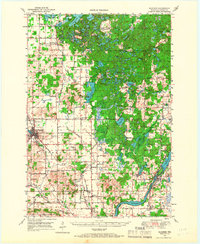 1949 Bloomer1966 Print · USGSThe dairy farms and lake country of northwestern Wisconsin are captured here in the late 1940s. Genealogists can trace rural family roots through numerous local schools and cemeteries, from Mile Corner Sch and Modern Sch to Tillinghast Cem and Rutledge Cem.2 unique versions available
 - 1949 Map of New Auburn, 1967 Print
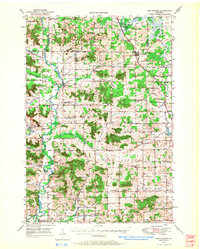 1949 New Auburn1967 Print · USGSWisconsin's rural dairy and timber heartland is meticulously documented here just after the war, showing the tight-knit settlement of western Chippewa County. Genealogists can trace family roots through numerous local landmarks like Fox Settlement, Lower Lutheran Ch, and New Auburn Cem.
 - 1951 Map of Bloomer
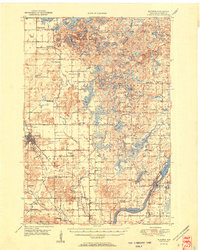 1951 Bloomer1951 Print · USGSPost-war Chippewa County is seen here during a period of rural consolidation across its glaciated lake country. Local researchers can trace family roots through numerous country schools and cemeteries, including Tillinghast Cem, Emanuel Ch, and Larson Sch.2 unique versions available
 - 1951 Map of New Auburn
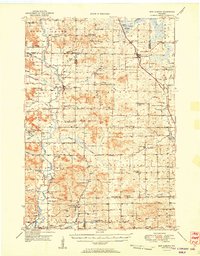 1951 New Auburn1951 Print · USGSThe intersection of Barron, Dunn, and Chippewa counties comes into focus in the early 1950s, showing a landscape thick with local school districts and rural parishes. Genealogists can trace family footprints through dozens of named sites like Fox Settlement Sch, Dovre Ch, and the New Auburn Cem.
 - 1953 Map of Rice Lake, 1967 Print
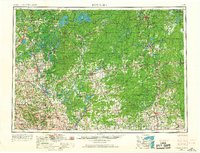 1953 Rice Lake1967 Print · USGSNorthwest Wisconsin during the mid-fifties reveals a landscape defined by timber, rail, and water. Genealogists and historians can trace the development of river towns like Ladysmith and Rice Lake along the Soo Line and Chicago and North Western railroads.2 unique versions available
 - 1959 Map of Rice Lake
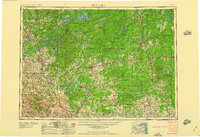 1959 Rice Lake1959 Print · USGSNorthwest Wisconsin in the late fifties was a land of expanding road networks and deep-seated timber history. Genealogists and historians can trace rail lines like the Soo Line RR and Chicago St Paul Minneapolis and Omaha Ry as they link settlements from Spooner to Medford.
 - 1975 Map of Bloomer, 1978 Print
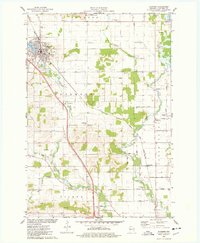 1975 Bloomer1978 Print · USGSBloomer and the surrounding townships of Tilden and Woodmohr are captured here in the mid-seventies, showing a landscape defined by the C & NW rail line. Genealogists can trace family names through sites like Tilden Cem, Eagleton Cem, and Scandinavian Ch.
 - 1975 Map of New Auburn, 1978 Print
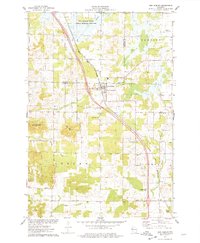 1975 New Auburn1978 Print · USGSWestern Wisconsin life in the mid-seventies centers on the village of New Auburn and its position along the Chicago and North Western railroad. Researchers can locate family sites at the New Auburn Cem, trace Duncan Creek, or explore the wooded Old Maids Bluff.
 - 1975 Map of Como Creek, 1978 Print
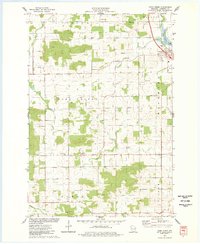 1975 Como Creek1978 Print · USGSChippewa County agriculture and township boundaries are captured here in the mid-1970s. Researchers can trace family roots at Cooks Valley Cem, St Johns Ch, and the settlement of Albert along the banks of Como Lake.
 - 1975 Map of Marsh-Miller Lake, 1978 Print
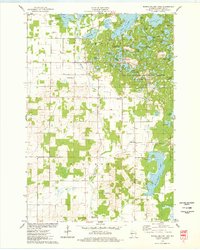 1975 Marsh-Miller Lake1978 Print · USGSChippewa County is captured in the mid-seventies, revealing a glacial landscape defined by the Chippewa Moraine. Search for family roots at Tillinghast Cem or trace the shoreline developments of Marsh-Miller Lake and Long Lake.
 - 1980 Map of Bloomer
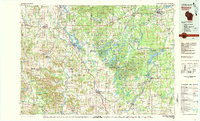 1980 Bloomer1980 Print · USGSNorthwestern Wisconsin at the start of the eighties shows a landscape deeply connected to its rivers and rail lines. Genealogists and historians can trace the growth of Bloomer, Ladysmith, and Chetek or locate local landmarks like Brunet Island State Park and the Soo Line rail corridors.
 - 2010 Map of Como Creek, 2010 Print
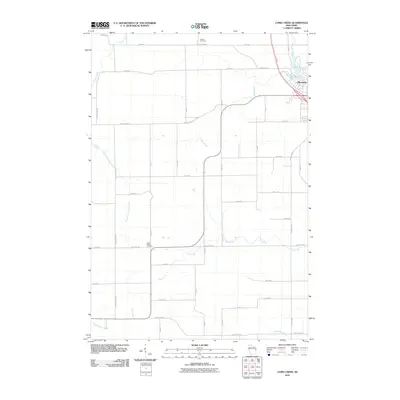 2010 Como Creek2010 Print · USGSUpper Chippewa County at the start of the 2010s shows a landscape of steady agricultural roots and winding creek valleys. Researchers can trace rural family sites near Auburn Cemetery, the waters of Lake Como, and the outskirts of Bloomer.
 - 2010 Map of New Auburn, 2010 Print
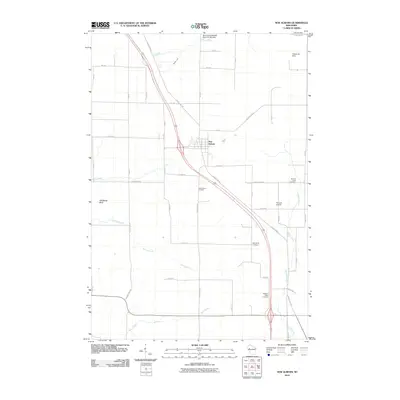 2010 New Auburn2010 Print · USGSThe village of New Auburn and its surrounding farmstead grid are captured here in the early twenty-first century. Genealogists and local historians can locate several rural burial sites, such as Marquardt Cemetery and Pleasant Valley Cemetery, alongside landmarks like Old Maids Bluff.
 - 2010 Map of Marsh-Miller Lake, 2010 Print
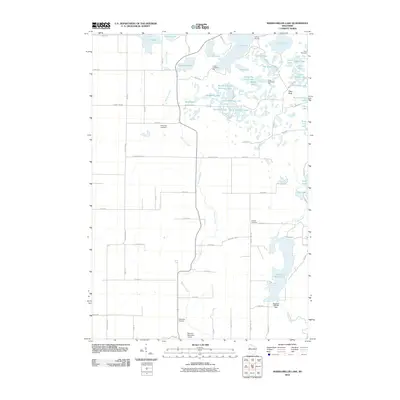 2010 Marsh-Miller Lake2010 Print · USGSWisconsin's lake country is captured here during the first decade of the millennium, featuring a dense network of glacial waters and recreational retreats. Researchers can trace local heritage at Tillinghast Cemetery and Rufledt Cemetery or explore the shores of Marsh-Miller Lake.
 - 2010 Map of Bloomer, 2010 Print
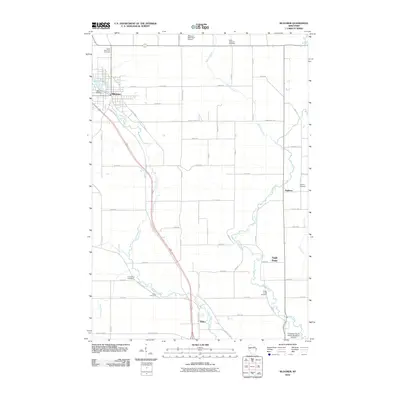 2010 Bloomer2010 Print · USGSChippewa County at the turn of the decade reflects a well-ordered landscape of dairy-land roads and quiet creek valleys. Genealogists and historians can locate numerous rural burial sites like Tilden Cemetery or trace the early industrial footprint of the Bloomer Mill Dam.
 - 2013 Map of Bloomer, 2013 Print
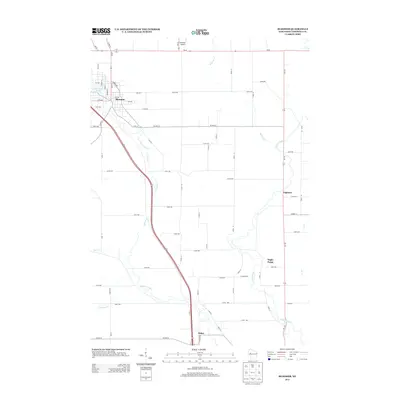 2013 Bloomer2013 Print · USGSChippewa County settlements and rural watersheds are mapped here in the early twenty-first century. Genealogists and local historians can trace family properties near Bloomer, the small communities of Eagleton and Tilden, and the winding banks of O'Neil Creek.
 - 2013 Map of Como Creek, 2013 Print
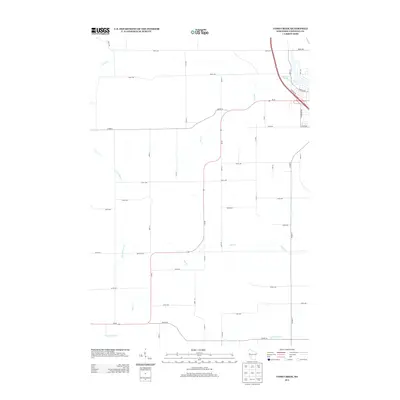 2013 Como Creek2013 Print · USGSChippewa County is defined by its rural road grids and winding waterways in the early twenty-first century. Genealogists and local historians can trace the paths of Lake Como, Eighteenmile Cr, and the intersection of WI-40 and CO HWY-B.
 - 2013 Map of Marsh-Miller Lake, 2013 Print
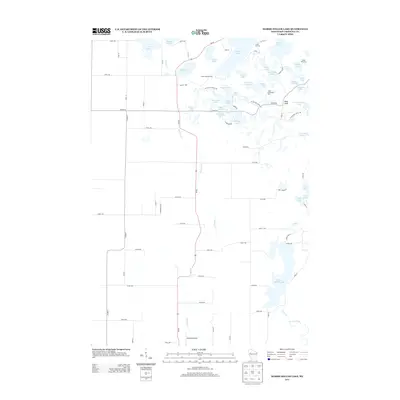 2013 Marsh-Miller Lake2013 Print · USGSChippewa County’s glaciated lake country is captured here during the early twenty-first century, showing a landscape defined by water and recreation. Researchers can locate long-standing summer retreats like Camp Manitou and trace the winding path of the Ice Age Natl Scenic Trl past Salisbury Lake.
 - 2013 Map of New Auburn, 2013 Print
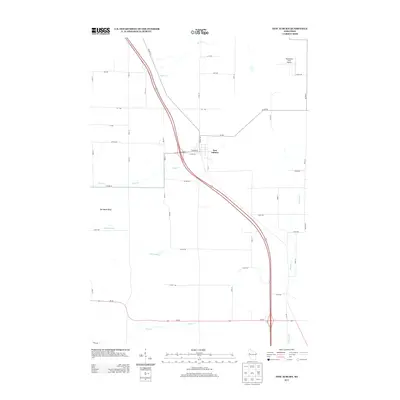 2013 New Auburn2013 Print · USGSNew Auburn and its surrounding townships are captured in detail during the early 2010s. Local historians and land researchers can trace the rural landscape from Old Maids Bluff to the banks of Sand Cr and the Vetterkind Strip Airport.
 - 2015 Map of New Auburn, 2015 Print
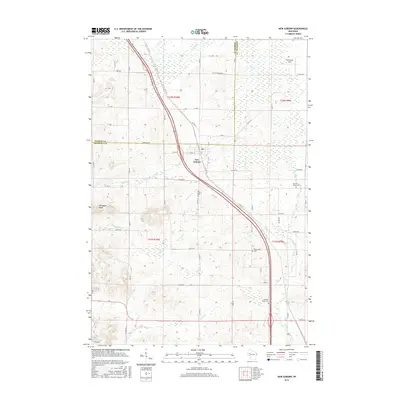 2015 New Auburn2015 Print · USGSNew Auburn and the surrounding dairy lands of Barron and Chippewa Counties are captured here during the mid-2010s. Genealogists can locate family landmarks like New Auburn Cem, Duncan Creek Cem, and the prominent Old Maids Bluff.
 - 2015 Map of Bloomer, 2015 Print
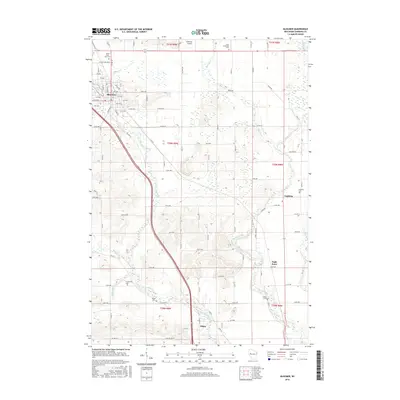 2015 Bloomer2015 Print · USGSBloomer and the surrounding rural communities of Chippewa County appear here in the mid-2010s, defined by the winding waters of Duncan Creek. Researchers can locate family landmarks like the Eagleton Cem, Tilden Cem, and the quiet settlement of Eagle Point.
 - 2015 Map of Como Creek, 2015 Print
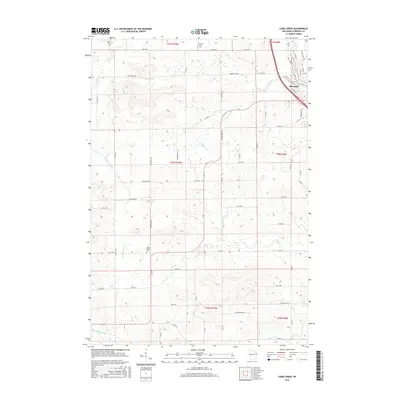 2015 Como Creek2015 Print · USGSBloomer and the surrounding Chippewa County countryside are captured here in the mid-2010s, showing a landscape shaped by glacial waterways. Genealogists and local historians can locate rural landmarks such as Auburn Cem, Cooks Valley Cem, and the shores of Lake Como.
 - 2015 Map of Marsh-Miller Lake, 2015 Print
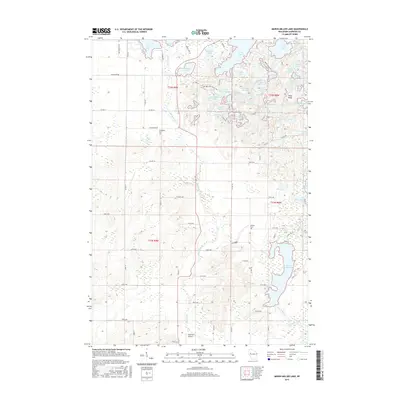 2015 Marsh-Miller Lake2015 Print · USGSChippewa County in the mid-2010s remains a landscape of dense glacial lakes and winding trails. Historians and genealogists can trace local roots at the Tillinghast Cem and Rufledt Cem or follow the path of the Ice Age National Scenic Trail past Salisbury Lake.
 - 2018 Map of New Auburn, 2018 Print
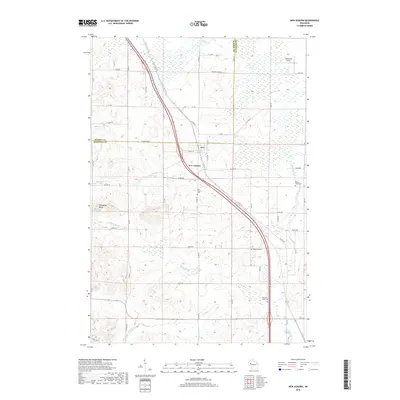 2018 New Auburn2018 Print · USGSNew Auburn sits at the junction of Barron and Chippewa counties in this contemporary topographical view of the Wisconsin heartland. Local historians can locate family plots at Marquardt Cem and Pleasant Valley Cem or trace the winding course of Duncan Cr near Old Maids Bluff.
 - 2018 Map of Marsh-Miller Lake, 2018 Print
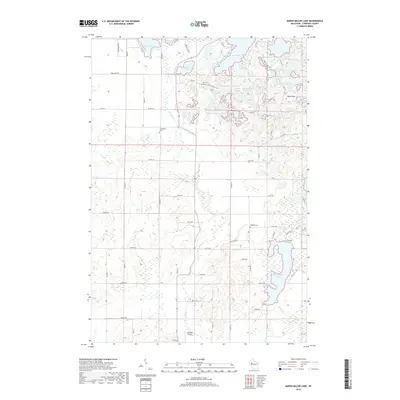 2018 Marsh-Miller Lake2018 Print · USGSWisconsin lake country is captured here in the late 2010s, showing a landscape defined by glacial waters and wooded trails. Researchers can locate burial sites at Tillinghast Cem, trace the Ice Age National Scenic Trail, or explore the shores of Marsh-Miller Lake.
Showing maps 1-25 of 31
Top cities near Bloomer
- Chippewa Falls historical maps
- Bloomer historical maps
- Eagle Point historical maps
- Chetek historical maps
- Anson historical maps
- Tilden historical maps
See more
Frequently asked questions
- What are the different types of historical maps available for Bloomer?
- What is the oldest map of Bloomer?
- Where can I purchase historical maps of Bloomer for my home or office?
- Where can I download high-res historical maps of Bloomer?
- Are there historical topographic maps available for Bloomer?
- Is there historical aerial imagery available for Bloomer?
- Where are historical maps of Bloomer sourced from?