Old Maps of Hewett, Wisconsin for Academic Research
Study the evolution of Hewett with 19 high-resolution historic maps. Whether you're teaching, researching, or modeling changes in land use, these maps provide essential visual documentation of urban, environmental, and geographic change.
- Analyze long-term change: Track patterns in development, transportation, and natural features.
- Ideal for environmental or urban studies: Support academic projects with primary historical map data.
- Use in the classroom or lab: Educators and researchers rely on these maps to bring historical context to life.
These maps are a powerful tool for teaching, research, and visualizing how Hewett has changed over the decades.
Hewett, WI maps
(19)- 1948 Map of Fairchild, 1966 Print
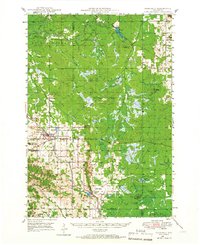 1948 Fairchild1966 Print · USGSWisconsin's West-Central borderlands emerge in this post-war study of the rail-centered towns of Fairchild and Humbird. You can trace the legacy of rural education and industry through numerous landmarks like Blackberry Sch, Wildcat Mound, and the Chicago and North Western rail line.2 unique versions available
 - 1949 Map of Fairchild
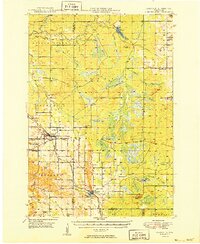 1949 Fairchild1949 Print · USGSThe rural borderlands of Eau Claire, Clark, and Jackson Counties appear here in the late 1940s, centered on the towns of Fairchild and Humbird. Researchers can locate numerous one-room schools like Lone Pine Sch, trace the Chicago and North Western rail line, or find local family sites at Cleveland Cem.
 - 1953 Map of Neillsville, 1955 Print
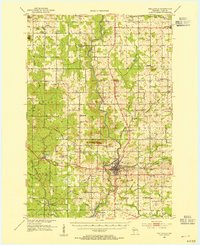 1953 Neillsville1955 Print · USGSMid-century Clark County comes into focus as a landscape of rural school districts and evolving rail corridors. Genealogists and historians can trace family locations through sites like Willard National Cemetery, York Center Ch, and over a dozen country schools including Ortole Hill Sch.2 unique versions available
 - 1953 Map of Eau Claire, 1965 Print
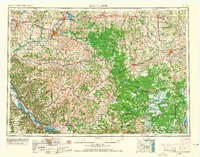 1953 Eau Claire1965 Print · USGSWest-central Wisconsin in the mid-fifties shows a landscape of river-valley industry and vast wildlife refuges during the transition from rails to modern highways. Genealogists and historians can trace the rail corridors of the Chicago and North Western or locate family-named landmarks like Decorah Mound and Chippewa Island.4 unique versions available
 - 1958 Map of Eau Claire
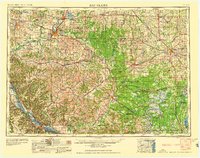 1958 Eau Claire1958 Print · USGSWestern Wisconsin in the late fifties shows a landscape of growing regional hubs and massive wildlife refuges. Trace the rail lines of the Chicago and North Western between Eau Claire and Marshfield, or explore the terrain around Iron Mound and Lake Wissota.
 - 1964 Map of Eau Claire
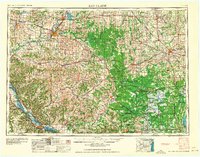 1964 Eau Claire1964 Print · USGSWest-central Wisconsin in the mid-1960s was a hub of river-driven industry and expanding rail networks. Researchers can trace historic homesteads near Menomonie, follow the Soo Line RR through Marshfield, or explore the grounds of the Camp McCoy Military Reservation.
 - 1979 Map of Wildcat Mound, 1980 Print
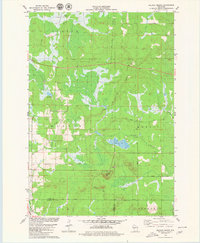 1979 Wildcat Mound1980 Print · USGSThe Clark and Jackson County borderlands in the late seventies are defined by distinctive peaks and a managed water system. Genealogists and local historians can trace rural family-named routes like Poertner Lane and Schulz Lane or locate the Cranberry Bog and Wildcat Mound.
 - 1979 Map of Columbia, 1980 Print
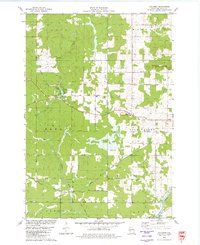 1979 Columbia1980 Print · USGSClark County woodland and rural settlements are captured here in the late seventies as the region maintained its timber and rail heritage. Genealogists and local historians can trace family-named roads and sites like Columbia, the Zion Ch, and the Old Railroad Grade.
 - 1984 Map of Marshfield, 1985 Print
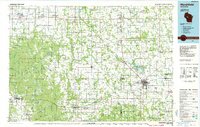 1984 Marshfield1985 Print · USGSCentral Wisconsin's dairy heartland comes into focus during the mid-eighties as a busy network of rail and farm towns. Researchers can trace the path of the Soo Line, identify the grounds of McMillan State Wildlife Area, and locate smaller settlements like Spokeville and Tioga.2 unique versions available
 - 2010 Map of Wildcat Mound, 2010 Print
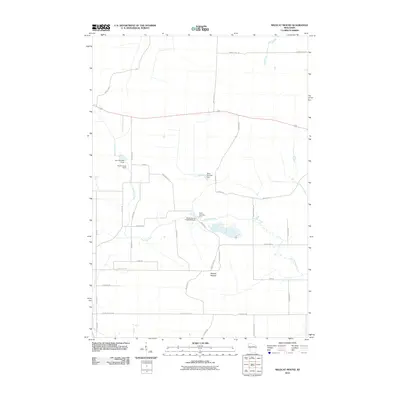 2010 Wildcat Mound2010 Print · USGSClark County at the start of the 2010s reveals a rural landscape shaped by water management and localized terrain. Researchers can locate specific water control sites like Dam Number Five and family-named roads near the prominent Wildcat Mound.
 - 2010 Map of Columbia, 2010 Print
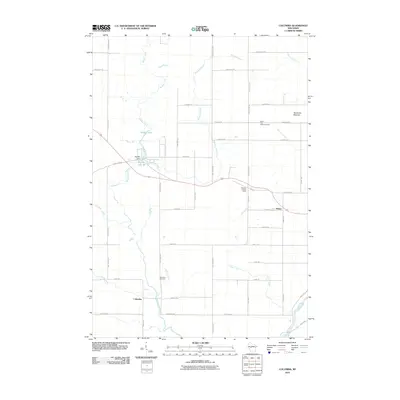 2010 Columbia2010 Print · USGSClark County at the start of the 2010s reveals a quiet landscape of rural settlements and winding waterways. Family historians and researchers can trace the locations of North Pine Valley Cemetery and Columbia Cemetery or locate the Snyder Dam and Moraine Lookout Tower.
 - 2013 Map of Columbia, 2013 Print
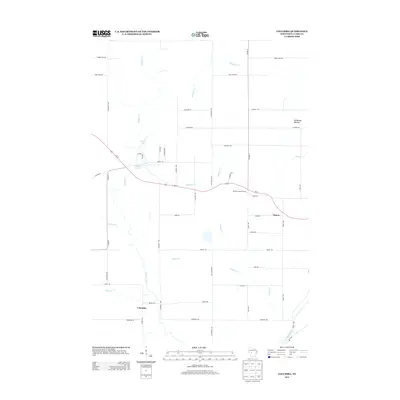 2013 Columbia2013 Print · USGSCentral Wisconsin's rural landscape is preserved here as it appeared in the early 21st century, centered on the communities of Columbia and Sidney. Local historians can trace family-named roads and landmarks like the Neillsville Mounds, Snyder Lake, and the Moraine Lookout Tower.
 - 2013 Map of Wildcat Mound, 2013 Print
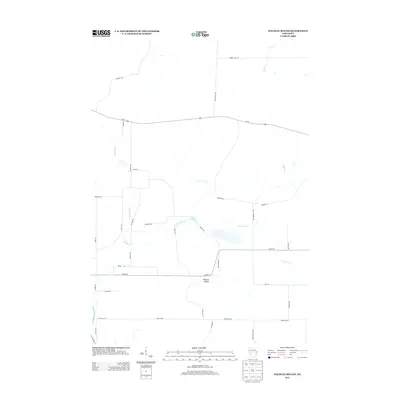 2013 Wildcat Mound2013 Print · USGSClark County, Wisconsin, is captured here in the early 2010s, showing a rural landscape defined by landmark hills and family-named roads. Trace the drainage of Fivemile Cr and Crooked Cr or locate family properties near Stuve Rd and Wildcat Mound.
 - 2015 Map of Wildcat Mound, 2015 Print
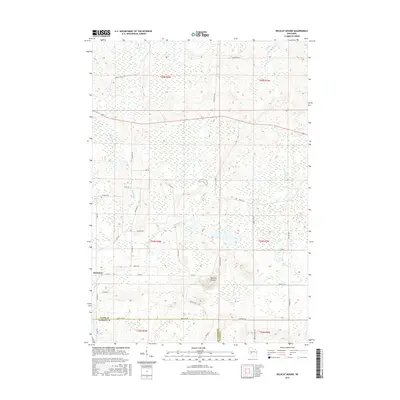 2015 Wildcat Mound2015 Print · USGSThe borderlands of Clark and Jackson Counties come into focus in the mid-2010s, revealing a landscape defined by wetlands and low ridges. Researchers can trace the layout of Humbird and locate family landmarks like Abbott Ranch Rd or the prominent Wildcat Mound.
 - 2015 Map of Columbia, 2015 Print
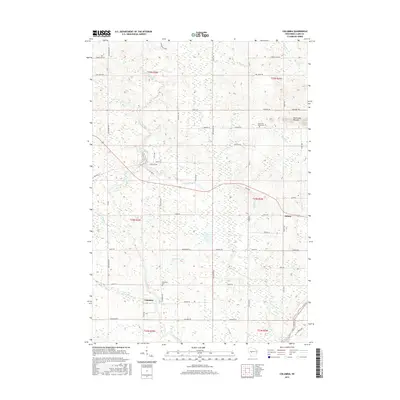 2015 Columbia2015 Print · USGSWisconsin’s central woodlands near Columbia were captured in this detailed 2015 survey of the Clark County landscape. Local historians can trace family locations near the Columbia Cem, identify the Neillsville Mounds, or follow the winding course of Wedges Creek.
 - 2018 Map of Wildcat Mound, 2018 Print
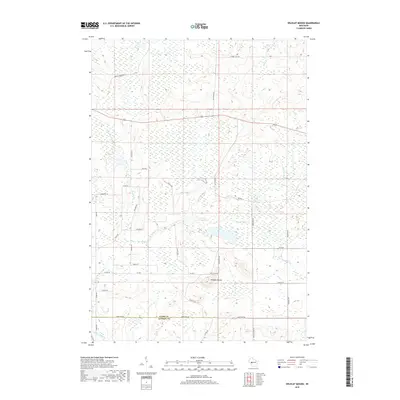 2018 Wildcat Mound2018 Print · USGSThe Clark and Jackson County borderlands are centered here in the late 2010s, where rural township roads crisscross a landscape of creeks and wetlands. Researchers can trace land use and local geography through family-named landmarks like Stuve Rd and the prominent elevation of Wildcat Mound.
 - 2018 Map of Columbia, 2018 Print
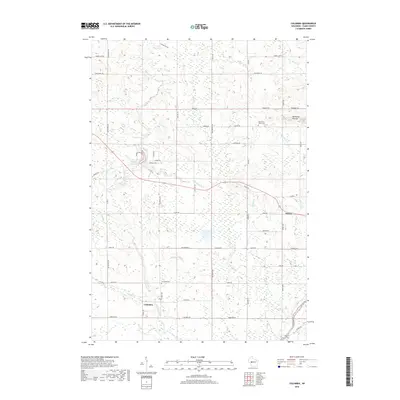 2018 Columbia2018 Print · USGSClark County's rural landscape is captured here in the late 2010s, showcasing the intricate drainage of the Black River basin. Researchers can locate specific family sites near Columbia Cem, the settlement of Sidney, and natural landmarks like Snyder Lake or the Neillsville Mounds.
 - 2022 Map of Wildcat Mound, 2022 Print
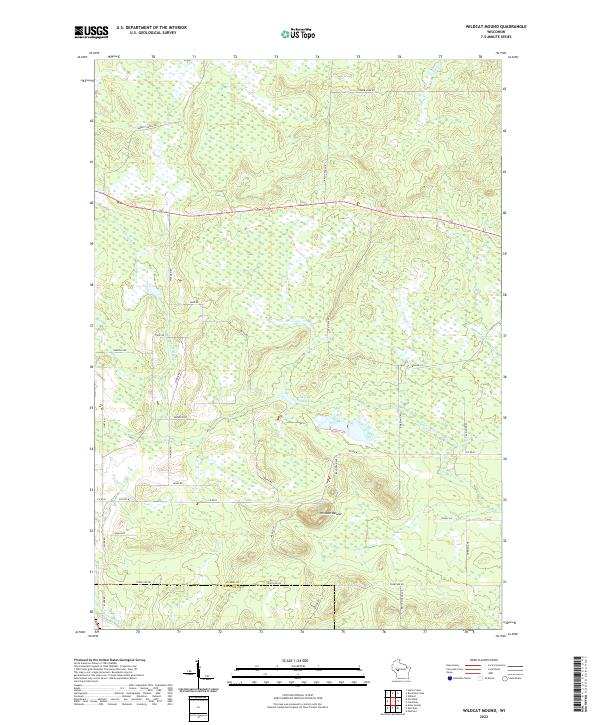 2022 Wildcat Mound2022 Print · USGSSouthern Clark County is shown in detail during the early 2020s, centered on the prominent rise of Wildcat Mound. Researchers can trace rural family roots along Hickman Rd, Abbott Ranch Rd, and the banks of Fivemile Cr.
 - 2022 Map of Columbia, 2022 Print
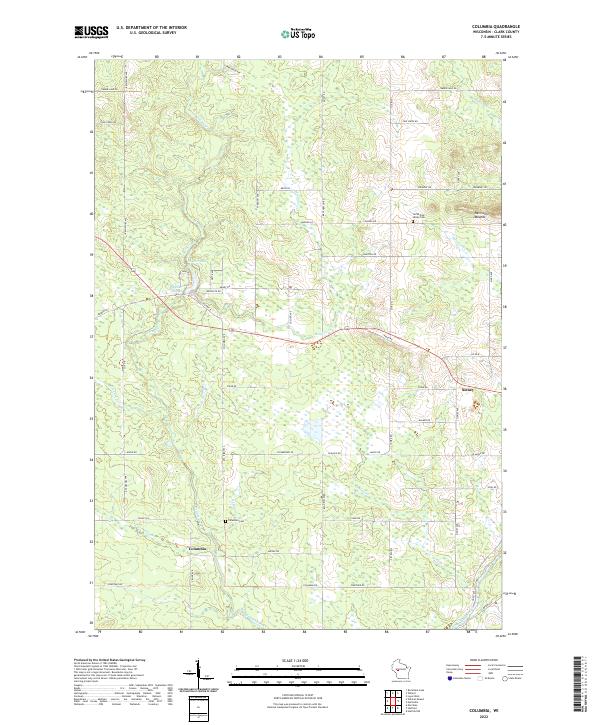 2022 Columbia2022 Print · USGSClark County's rural landscape is captured here in the early twenty-first century, showing the enduring structure of its farming communities and watercourses. Genealogists and local historians can locate Columbia Cem, the settlement of Sidney, and natural landmarks like Snyder Lake.
End of results
Showing maps 1-19 of 19
Top cities near Hewett
- Brockway historical maps
- Neillsville historical maps
- Greenwood historical maps
- Merrillan historical maps
- Fairchild historical maps
- Alma Center historical maps
See more
Top neighborhoods of Hewett
Frequently asked questions
- What are the different types of historical maps available for Hewett?
- What is the oldest map of Hewett?
- Where can I purchase historical maps of Hewett for my home or office?
- Where can I download high-res historical maps of Hewett?
- Are there historical topographic maps available for Hewett?
- Is there historical aerial imagery available for Hewett?
- Where are historical maps of Hewett sourced from?