Old Maps of Wascott, Wisconsin for Academic Research
Study the evolution of Wascott with 43 high-resolution historic maps. Whether you're teaching, researching, or modeling changes in land use, these maps provide essential visual documentation of urban, environmental, and geographic change.
- Analyze long-term change: Track patterns in development, transportation, and natural features.
- Ideal for environmental or urban studies: Support academic projects with primary historical map data.
- Use in the classroom or lab: Educators and researchers rely on these maps to bring historical context to life.
These maps are a powerful tool for teaching, research, and visualizing how Wascott has changed over the decades.
Wascott, WI maps
(43)- 1947 Map of Chittamo, 1956 Print
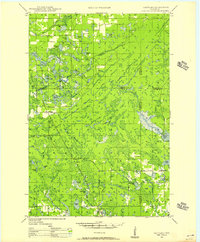 1947 Chittamo1956 Print · USGSNorthwest Wisconsin's lake country is captured in the mid-1940s, showing a land of dense wetlands and winding river systems. Genealogists and historians can locate rural schoolhouses like Chittamo Sch and trace the original paths of the Totagatic River and Claire River.2 unique versions available
 - 1947 Map of Minong, 1964 Print
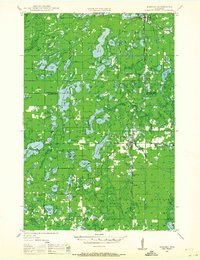 1947 Minong1964 Print · USGSNorthwest Wisconsin's lake country is captured here in the late 1940s as rail and road corridors began to open the woods for more permanent settlement. Genealogists can locate family-named landmarks and rural hubs like Wascott Ch, Hoover Sch, and the village of Minong.
 - 1949 Map of Chittamo
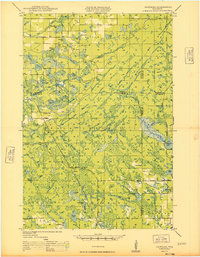 1949 Chittamo1949 Print · USGSNorthwestern Wisconsin at the end of the 1940s shows a landscape of scattered settlements and winding rivers before modern development. Genealogists and historians can trace family locations near Chittamo Sch, Stanberry, and the Totagatic Dam.
 - 1949 Map of Minong
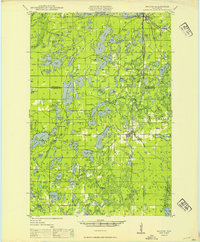 1949 Minong1949 Print · USGSNorthwestern Wisconsin’s lake country is captured here in the late 1940s, when the North Western railroad still linked small timber and rail towns. Researchers can locate vanished landmarks like Hoover Sch, Wascott Ch, and the small settlement of Lakeside.
 - 1949 Map of Webb Lake
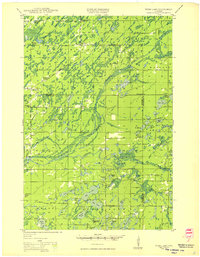 1949 Webb Lake1949 Print · USGSNorthwest Wisconsin’s lake country is captured here in the late 1940s as rural life centered on the St Croix River. Researchers can trace old crossroads and remote outposts like Dairyland, Cozy Corners, and the historic Webb Lake Sch.
 - 1953 Map of Ashland, 1964 Print
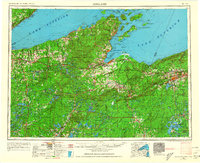 1953 Ashland1964 Print · USGSNorthern Wisconsin's lakefront and timberlands are seen here in the mid-1950s, showing the intersection of industrial rail lines and vast wilderness. Genealogists and historians can trace the Soo Line through rail towns like Mellen or locate family roots in the Apostle Islands and Bad River Indian Reservation.3 unique versions available
 - 1953 Map of Duluth, 1964 Print
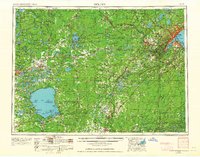 1953 Duluth1964 Print · USGSNortheastern Minnesota and northwestern Wisconsin are shown here during a period of industrial maturity and expanding conservation. Genealogists and historians can trace rail-connected towns like McGrath and Wahkon, or locate heritage sites within the Fond du Lac Indian Reservation.2 unique versions available
 - 1955 Map of Webb Lake, 1957 Print
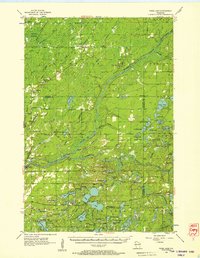 1955 Webb Lake1957 Print · USGSNorthwestern Wisconsin’s lake country is captured here in the mid-fifties, showing the confluence of the St. Croix and Namekagon rivers. Researchers can trace rural life through sites like Cozy Corner, the Webb Lake Sch, and the Dairyland Lookout Tower.2 unique versions available
 - 1958 Map of Ashland
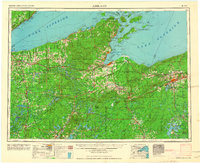 1958 Ashland1958 Print · USGSCoastal Wisconsin and the Michigan borderlands meet here in the late fifties, dominated by the timbered expanses and iron-rich ranges. Genealogists can trace family footprints in settlements like Odanah and Montreal, or locate landmarks such as the Coast Guard Station and Agricultural Experiment Station.
 - 1958 Map of Duluth
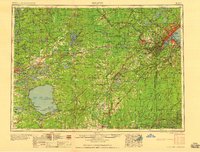 1958 Duluth1958 Print · USGSNortheastern Minnesota and the Wisconsin borderlands are shown in detail during the late 1950s, centered on the bustling rail yards and ports of Duluth. You can trace the historic routes of the Soo Line and Duluth Missabe & Iron Range through small towns like McGrath, Bruno, and Wrenshall.
 - 1965 Map of Minong, 1967 Print
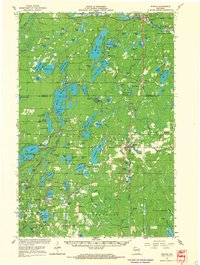 1965 Minong1967 Print · USGSWashburn and Douglas counties are shown here in the mid-sixties during a period of expanding forest management and rail-based commerce. Researchers can locate family sites and landmarks like Wascott Cemetery, Sutherland Landing Field, and the Minong settlement.
 - 1971 Map of Chittamo NE, 1973 Print
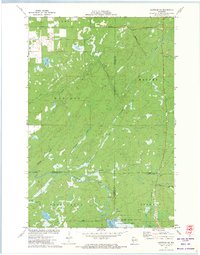 1971 Chittamo NE1973 Print · USGSThe northwoods of Douglas and Bayfield counties are shown here in the early seventies, a landscape defined by complex river systems and township boundaries. Genealogists and outdoorsmen can trace the Totagatic River through the Totagatic River State Wildlife Management Area or locate landmarks like Goose Lake and Frog Creek Road.
 - 1971 Map of Chittamo, 1973 Print
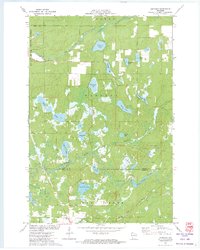 1971 Chittamo1973 Print · USGSNorthwestern Wisconsin at the start of the 1970s is revealed as a dense patchwork of waterways and forest at the Douglas and Washburn county line. Genealogists and historians can trace the Soo Line tracks through Chittamo or explore the wild edges of Sauntrys Pocket and the Ounce River.
 - 1980 Map of Sandstone
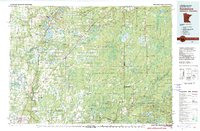 1980 Sandstone1980 Print · USGSPine County and the Minnesota-Wisconsin borderlands are shown here in the early eighties as a region of dense state forests and river corridors. Genealogists and historians can trace rail-town development along the Burlington Northern including Sandstone, Askov, and Hinckley.
 - 1980 Map of Solon Springs
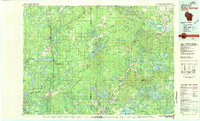 1980 Solon Springs1980 Print · USGSNorthern Wisconsin in the early eighties was a landscape of dense timber and sprawling glacial waters. Trace the legacy of the Chicago and North Western rail line through Solon Springs, Hayward, and Minong at this pivotal moment.
 - 1982 Map of Gordon
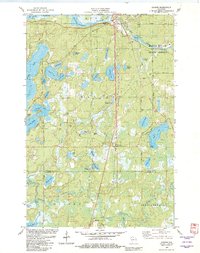 1982 Gordon1982 Print · USGSDouglas and Washburn counties are depicted in the early 1980s as the regional rail-and-river network supported both the timber industry and growing recreational use. Researchers can locate the Wascott Cem, trace the Chicago and North Western line through Wascott, and explore the many glacial basins like Bardon Lake.
 - 1982 Map of Minong Flowage, 1983 Print
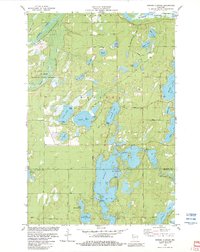 1982 Minong Flowage1983 Print · USGSWisconsin's north woods and the sprawling Minong Flowage are captured here in the early eighties. Outdoor enthusiasts and local historians can trace the paths of Hang Road, find the State Youth Camp, and locate numerous public lake access points.
 - 1983 Map of Scovils Lake
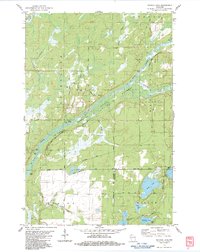 1983 Scovils Lake1983 Print · USGSThe St. Croix River corridor in the early 1980s reveals a landscape of protected riverways and quiet Northwoods settlements. Researchers can trace historic access points like Coppermine Dam or locate the Riverhill Cem and the former route of the Old RR Grade Road.
 - 2010 Map of Scovils Lake, 2010 Print
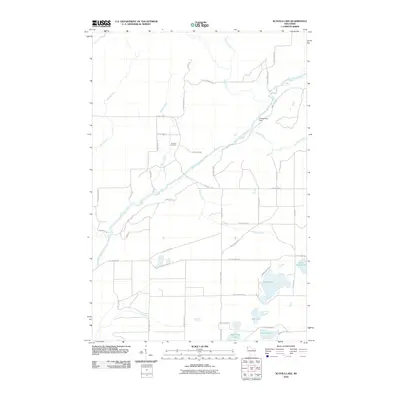 2010 Scovils Lake2010 Print · USGSThe Saint Croix River corridor in Douglas County was shaped by its water and woods at the start of the 2000s. Genealogists and local historians can trace family locations near Riverhill Cemetery or explore the drainage of Beaver Creek and Coppermine Dam.
 - 2010 Map of Chittamo NE, 2010 Print
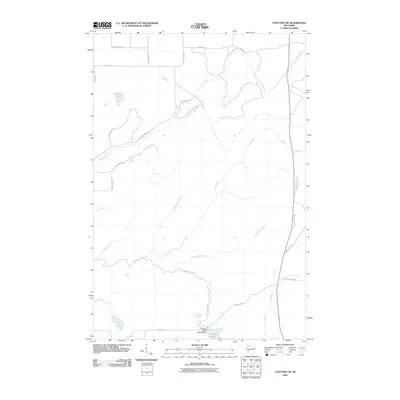 2010 Chittamo NE2010 Print · USGSDouglas County’s forested wetlands and hydraulic infrastructure are captured here in the decade following the turn of the millennium. Outdoor enthusiasts and researchers can trace the Totagatic River to the 2WP804 Dam or explore the network of timber routes like Coppermine Scenic Drive Loop.
 - 2010 Map of Gordon, 2010 Print
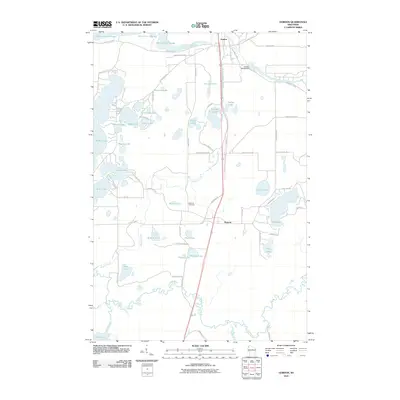 2010 Gordon2010 Print · USGSIn the Wisconsin Northwoods during the early 2000s, the river systems of the Saint Croix and Totagatic remained the heart of the landscape. Researchers can trace local heritage through the Wascott Cemetery and the development of the Gordon and Wascott communities near the Saint Croix Flowage.
 - 2010 Map of Minong Flowage, 2010 Print
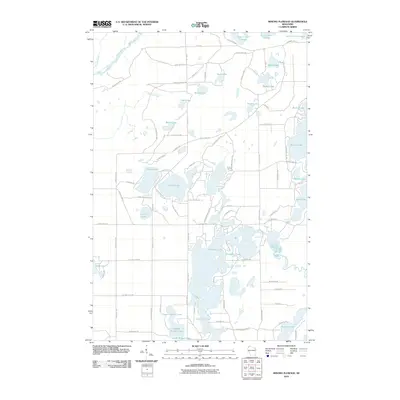 2010 Minong Flowage2010 Print · USGSDouglas County’s dense lake country is captured here in the early twenty-first century, showing the intricate hydrology of the north woods. Researchers can trace waterfront development and access points along Cranberry Lake, Bardon Lake, and the winding Totagatic River.
 - 2010 Map of Chittamo, 2010 Print
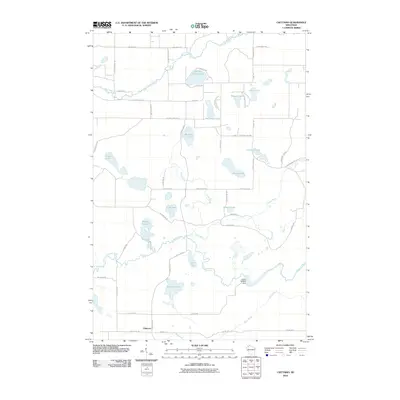 2010 Chittamo2010 Print · USGSNorthern Wisconsin's lake country is captured here in the early twenty-first century, centered on the small settlement of Chittamo. Outdoor enthusiasts and researchers can trace the routes of the Totagatic River and Eau Claire River or locate remote waterfronts like Sauntrys Pocket Lake and Derosier Lake.
 - 2013 Map of Chittamo, 2013 Print
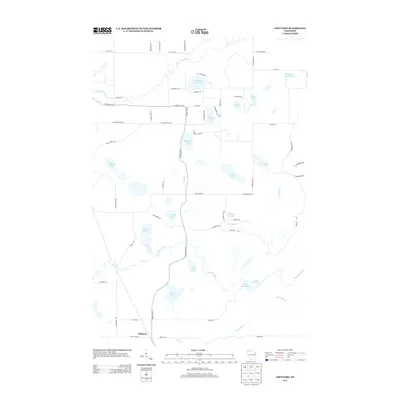 2013 Chittamo2013 Print · USGSDouglas County’s dense lake country is captured here during the early twenty-first century, showing a landscape defined by glacial waters and river basins. Genealogists and outdoor historians can trace the paths of the Totagatic River and Eau Claire River, or locate family-named landmarks like Derosier Lake and Sauntrys Pocket Lake.
 - 2013 Map of Chittamo NE, 2013 Print
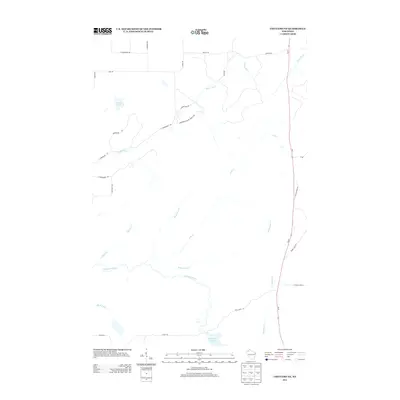 2013 Chittamo NE2013 Print · USGSWisconsin's northern forests and waterways are captured here in the early twenty-first century. Researchers can trace the path of the Totagatic River and locate uniquely named local landmarks like Copper Mine Rd and Camp Eatmore Rd.
Showing maps 1-25 of 43
Top cities near Wascott
- Gordon historical maps
- Bennett historical maps
- Solon Springs historical maps
- Minong historical maps
- Springbrook historical maps
Frequently asked questions
- What are the different types of historical maps available for Wascott?
- What is the oldest map of Wascott?
- Where can I purchase historical maps of Wascott for my home or office?
- Where can I download high-res historical maps of Wascott?
- Are there historical topographic maps available for Wascott?
- Is there historical aerial imagery available for Wascott?
- Where are historical maps of Wascott sourced from?