Old Maps of Knapp, Wisconsin for Academic Research
Study the evolution of Knapp with 33 high-resolution historic maps. Whether you're teaching, researching, or modeling changes in land use, these maps provide essential visual documentation of urban, environmental, and geographic change.
- Analyze long-term change: Track patterns in development, transportation, and natural features.
- Ideal for environmental or urban studies: Support academic projects with primary historical map data.
- Use in the classroom or lab: Educators and researchers rely on these maps to bring historical context to life.
These maps are a powerful tool for teaching, research, and visualizing how Knapp has changed over the decades.
Knapp, WI maps
(33)- 1947 Map of Millston, 1963 Print
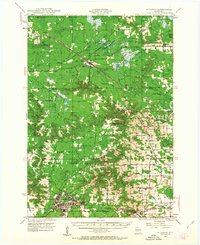 1947 Millston1963 Print · USGSMid-century Jackson and Monroe counties are captured here just after the war, showing the expansion of military and rail infrastructure. Genealogists can locate family sites near North Tomah or trace rural landmarks like Tarr Valley Sch and La Grange Cem.4 unique versions available
 - 1949 Map of Millston
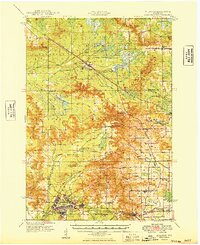 1949 Millston1949 Print · USGSWisconsin's central cranberry and timber country is captured here in the late 1940s as the regional rail network anchored rural life. Researchers can trace the layout of the Camp McCoy Military Reservation or locate family sites near Millston, Tunnel City, and several rural schoolhouses like White School.
 - 1953 Map of Eau Claire, 1965 Print
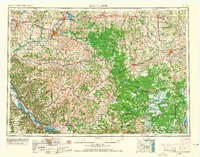 1953 Eau Claire1965 Print · USGSWest-central Wisconsin in the mid-fifties shows a landscape of river-valley industry and vast wildlife refuges during the transition from rails to modern highways. Genealogists and historians can trace the rail corridors of the Chicago and North Western or locate family-named landmarks like Decorah Mound and Chippewa Island.4 unique versions available
 - 1957 Map of City Point, 1960 Print
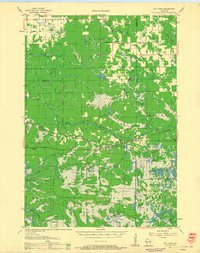 1957 City Point1960 Print · USGSJackson and Clark Counties are shown here in the late fifties, dominated by the timber and cranberry industries of the Central Wisconsin Sand County. Genealogists and historians can locate rural landmarks like Audubon Sch, Martyrs Cem, and the old rail siding at Spaulding.2 unique versions available
 - 1958 Map of Eau Claire
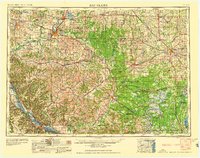 1958 Eau Claire1958 Print · USGSWestern Wisconsin in the late fifties shows a landscape of growing regional hubs and massive wildlife refuges. Trace the rail lines of the Chicago and North Western between Eau Claire and Marshfield, or explore the terrain around Iron Mound and Lake Wissota.
 - 1958 Map of Hatfield, 1960 Print
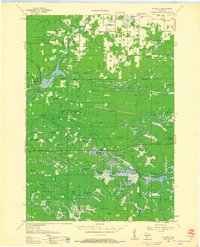 1958 Hatfield1960 Print · USGSIn the late fifties, the central Wisconsin lake country was defined by its vast flowage systems and timbered mounds. Researchers can trace rural school locations like Carlyle Sch and explore old transport routes through Komensky Station or along an old railroad grade.
 - 1958 Map of Wyeville, 1960 Print
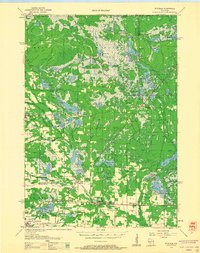 1958 Wyeville1960 Print · USGSWisconsin's cranberry and timber country is documented here in the late fifties, centered on the rail junctions of Monroe and Juneau Counties. You can trace the rural infrastructure of the day, from the Indian Cem and St Marks Ch to the Chicago and North Western rail lines.
 - 1964 Map of Eau Claire
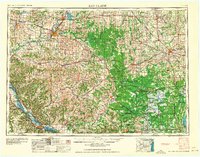 1964 Eau Claire1964 Print · USGSWest-central Wisconsin in the mid-1960s was a hub of river-driven industry and expanding rail networks. Researchers can trace historic homesteads near Menomonie, follow the Soo Line RR through Marshfield, or explore the grounds of the Camp McCoy Military Reservation.
 - 1970 Map of Spaulding, 1972 Print
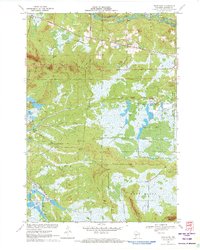 1970 Spaulding1972 Print · USGSJackson County’s cranberry country and railroad corridors are captured here in the early seventies. Genealogists and local historians can trace the tracks through Pray and Spaulding or locate landmarks like Potter Flowage and Saddle Mound.2 unique versions available
 - 1970 Map of Warrens East, 1972 Print
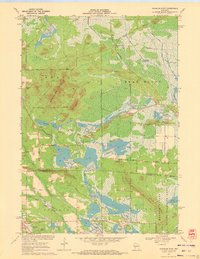 1970 Warrens East1972 Print · USGSIn the early 1970s, the border between Jackson and Monroe counties was defined by industrial cranberry cultivation and vast conservation areas. Genealogists and local historians can trace family-named landmarks like Morman Cem and Miles Peak or locate old transit points such as Bear Bluff Station.
 - 1970 Map of Hatfield SE, 1972 Print
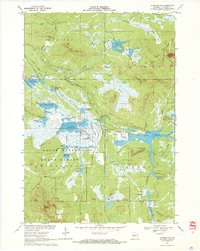 1970 Hatfield SE1972 Print · USGSJackson County's wetland interior is captured here in the early 1970s, showcasing a complex system of state forest lands and managed flowages. Researchers can trace the legacy of regional industry and land use through the Cranberry Bogs, the Old Railroad Grade, and distinctive landmarks like Saddle Mound.2 unique versions available
 - 1983 Map of Warrens West, 1984 Print
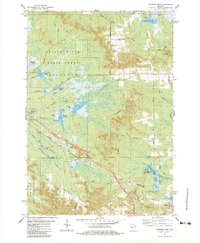 1983 Warrens West1984 Print · USGSIn the early 1980s, the area around Warrens thrived as a hub for berry production and rail transport. Researchers can trace the legacy of the local cranberry industry through numerous Cranberry Bogs and find local family landmarks like Knapp Cem and McMullen Memorial County Park.2 unique versions available
 - 1985 Map of Black River Falls
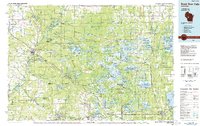 1985 Black River Falls1985 Print · USGSCentral Wisconsin in the mid-1980s is defined by its sprawling wildlife refuges and the winding Black River corridor. Genealogists and researchers can trace rural settlements like Millston and Warrens or locate historical sites such as the Iron Mine and the grounds of Fort McCoy.2 unique versions available
 - 2010 Map of Warrens West, 2010 Print
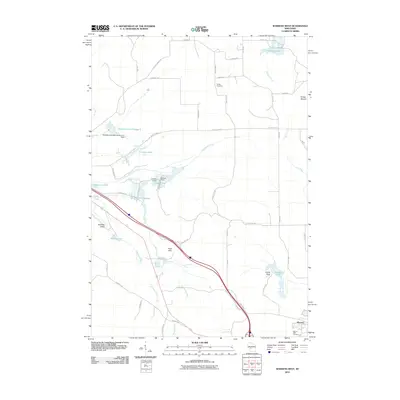 2010 Warrens West2010 Print · USGSThe cranberry-growing region around Monroe County is captured here in the early twenty-first century, showing a landscape defined by water flowages and rural cemeteries. Researchers can trace family history at Warren Mills Cemetery or locate distinct landmarks like Knapp Mound and Castle Rock.
 - 2010 Map of Spaulding, 2010 Print
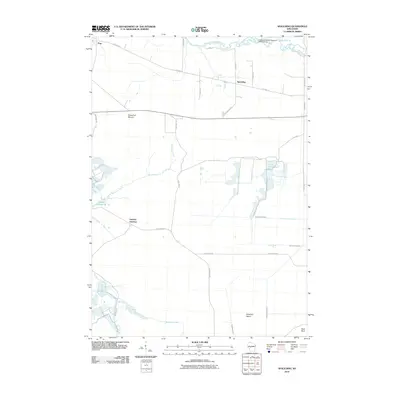 2010 Spaulding2010 Print · USGSThe marshlands of Jackson County come alive in this early 21st-century survey of the Spaulding area. Genealogists and local historians can trace family road names and hydrological landmarks like Potter Flowage 58, Sugarloaf Mound, and Drescher Island.
 - 2010 Map of Hatfield SE, 2010 Print
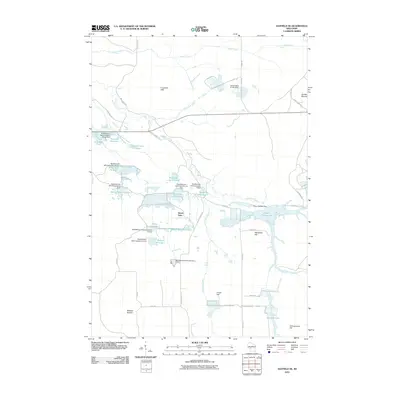 2010 Hatfield SE2010 Print · USGSManaged wetlands and isolated mounds dominate this Jackson County landscape at the start of the 21st century. Researchers can trace decades of water management through the many dams and reservoirs like Schwartz Pool, Seventeen Reservoir, and Potter Flowage 58.
 - 2010 Map of Warrens East, 2010 Print
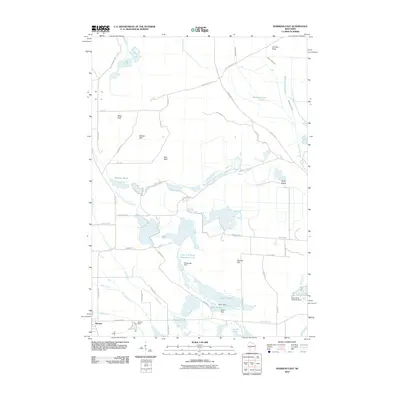 2010 Warrens East2010 Print · USGSCranberry country and sophisticated water management define the area around Warrens during the early 21st century. Researchers can trace the drainage of Sawdust Marsh and locate several regional landmarks including Strozewski Dam and Hunters Peak.
 - 2013 Map of Warrens East, 2013 Print
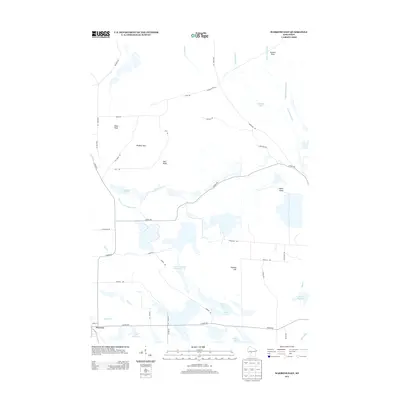 2013 Warrens East2013 Print · USGSMonroe County’s cranberry bogs and marshlands are on full display in this early twenty-first-century survey of the area surrounding Warrens. Researchers can trace the complex water systems of Sawdust Marsh or locate local landmarks like Miles Peak and Taylor Island.
 - 2013 Map of Hatfield SE, 2013 Print
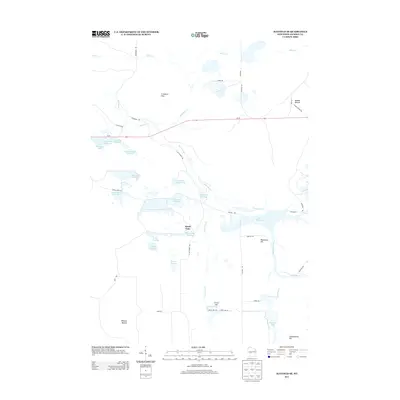 2013 Hatfield SE2013 Print · USGSJackson County’s wetland interior is documented here in the early twenty-first century, showing a landscape of specialized water management and isolated mounds. Researchers can trace the network of pools and flowages such as Schwartz Pool and Potter Flowage alongside landmarks like Saddle Mound.
 - 2013 Map of Spaulding, 2013 Print
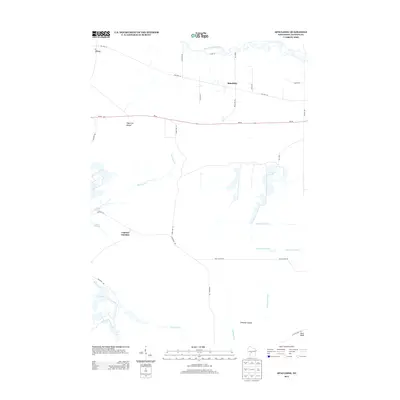 2013 Spaulding2013 Print · USGSJackson County's wooded marshlands and river corridors are documented here during the early twenty-first century. Researchers can trace local landmarks like Sugarloaf Mound and the drainage networks of the North Floater Ditch near the settlement of Spaulding.
 - 2013 Map of Warrens West, 2013 Print
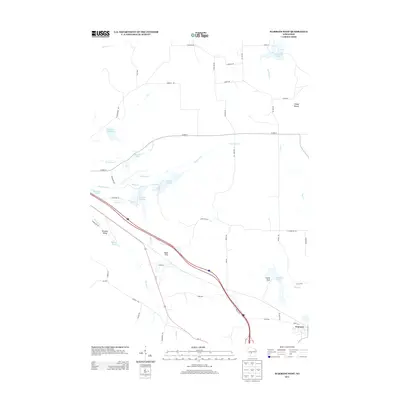 2013 Warrens West2013 Print · USGSMonroe County’s cranberry and timber country is captured here during a period of modern growth near the community of Warrens. Researchers can trace local landmarks like Knapp Mound, the waters of Harkner Flowage, and the family-named corridors of Smrekar Rd and Younker Rd.
 - 2015 Map of Spaulding, 2015 Print
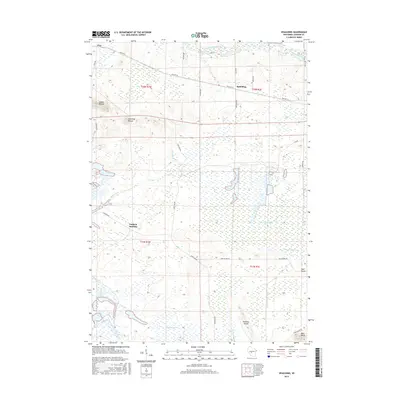 2015 Spaulding2015 Print · USGSJackson County's central marshlands are documented here in the mid-2010s, showing the intersection of natural river systems and extensive human drainage. Researchers can trace the legacy of small settlements like Spaulding and Pray or locate distinctive landforms like Saddle Mound and Bear Bluff.
 - 2015 Map of Hatfield SE, 2015 Print
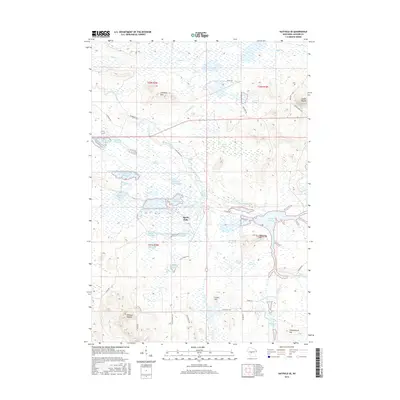 2015 Hatfield SE2015 Print · USGSJackson County is defined by its vast network of flowages and marshes in the mid-2010s. Modern researchers can trace the extent of Townline Reservoir or locate high-ground landmarks like Wildcat Mound and Saddle Mound.
 - 2015 Map of Warrens West, 2015 Print
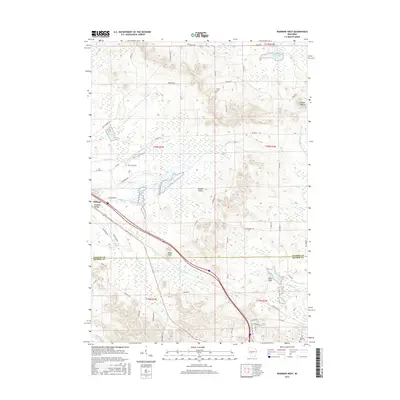 2015 Warrens West2015 Print · USGSSpanning the Jackson and Monroe county line in the mid-2010s, this area shows a landscape of cranberry flowages and sand country hills. Researchers can locate Millston, the Knapp Cem, and family-named landmarks like Knapp Mound and Summit Valley.
 - 2015 Map of Warrens East, 2015 Print
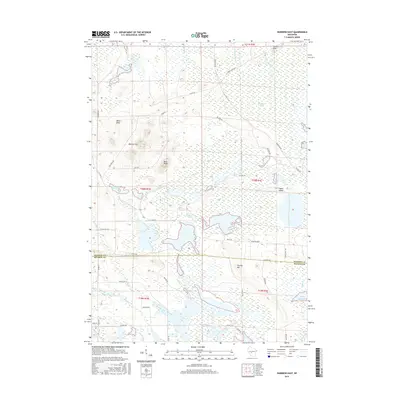 2015 Warrens East2015 Print · USGSCentral Wisconsin wetlands and cranberry country are documented here in the mid-2010s, spanning the Monroe and Jackson county line. Researchers can trace the water systems of Scott Flowage and Goodyear Lake or locate high ground at Ball Bluff and the Winkler Hills.
Showing maps 1-25 of 33
Top cities near Knapp
- Tomah historical maps
- Brockway historical maps
- Cutler historical maps
- Sherwood historical maps
- Warrens historical maps
- City Point historical maps
See more
Top neighborhoods of Knapp
Frequently asked questions
- What are the different types of historical maps available for Knapp?
- What is the oldest map of Knapp?
- Where can I purchase historical maps of Knapp for my home or office?
- Where can I download high-res historical maps of Knapp?
- Are there historical topographic maps available for Knapp?
- Is there historical aerial imagery available for Knapp?
- Where are historical maps of Knapp sourced from?