Old Maps of Gale, Wisconsin for Academic Research
Study the evolution of Gale with 43 high-resolution historic maps. Whether you're teaching, researching, or modeling changes in land use, these maps provide essential visual documentation of urban, environmental, and geographic change.
- Analyze long-term change: Track patterns in development, transportation, and natural features.
- Ideal for environmental or urban studies: Support academic projects with primary historical map data.
- Use in the classroom or lab: Educators and researchers rely on these maps to bring historical context to life.
These maps are a powerful tool for teaching, research, and visualizing how Gale has changed over the decades.
Gale, WI maps
(43)- 1926 Map of North Bend, 1965 Print
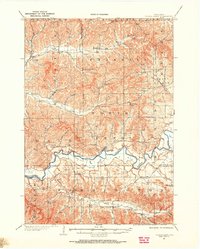 1926 North Bend1965 Print · USGSJackson and La Crosse counties are shown here in the mid-twenties, when the Black River valley was dotted with small family farms and dozens of rural school districts. Genealogists can trace ancestral locations near Stevenstown, Mindoro, and Upper Beaver Creek Ch.
 - 1929 Map of Galesville
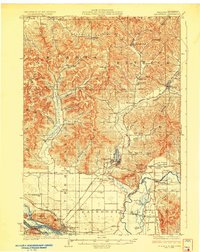 1929 Galesville1929 Print · USGSWisconsin's coulee country and the Mississippi riverfront are captured here in the mid-twenties, showing a landscape of bluff-top farms and river towns. Genealogists can locate family landmarks like Butman Corners, Norway Valley Ch, and numerous rural schools including Wayside Sch.2 unique versions available
 - 1929 Map of North Bend
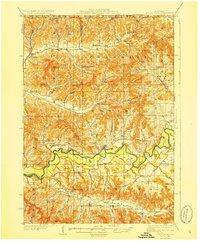 1929 North Bend1929 Print · USGSWisconsin's coulee country comes alive in this late 1920s survey of the tri-county borderlands along the Black River. Genealogists and local historians can trace family-named landmarks and rural hubs like Beachs Corners, Burr Oak, and the many one-room schoolhouses like Lone Star Sch.2 unique versions available
 - 1953 Map of Eau Claire, 1965 Print
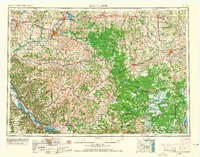 1953 Eau Claire1965 Print · USGSWest-central Wisconsin in the mid-fifties shows a landscape of river-valley industry and vast wildlife refuges during the transition from rails to modern highways. Genealogists and historians can trace the rail corridors of the Chicago and North Western or locate family-named landmarks like Decorah Mound and Chippewa Island.4 unique versions available
 - 1958 Map of Eau Claire
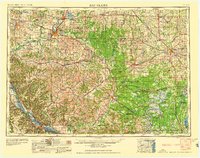 1958 Eau Claire1958 Print · USGSWestern Wisconsin in the late fifties shows a landscape of growing regional hubs and massive wildlife refuges. Trace the rail lines of the Chicago and North Western between Eau Claire and Marshfield, or explore the terrain around Iron Mound and Lake Wissota.
 - 1964 Map of Eau Claire
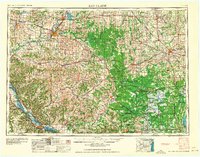 1964 Eau Claire1964 Print · USGSWest-central Wisconsin in the mid-1960s was a hub of river-driven industry and expanding rail networks. Researchers can trace historic homesteads near Menomonie, follow the Soo Line RR through Marshfield, or explore the grounds of the Camp McCoy Military Reservation.
 - 1969 Map of Hegg, 1971 Print
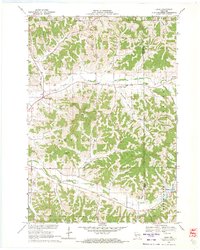 1969 Hegg1971 Print · USGSWestern Wisconsin in the late sixties reveals a landscape of deep coulees and ridge-top farms centered around the community of Hegg. Local historians can trace family-named landmarks like Borreson Coulee or locate regional spiritual centers including North Beaver Creek Ch and the Pioneer Cem.2 unique versions available
 - 1969 Map of Stevenstown, 1971 Print
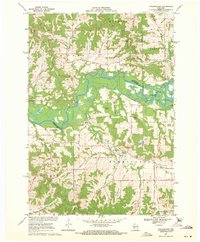 1969 Stevenstown1971 Print · USGSThe Black River valley during the late sixties serves as a crossroads of family history and conservation in rural Wisconsin. Genealogists can trace lineage through Hardies Cemetery or Sacia Cemetery, while outdoorsmen can locate the State Game Refuge and Horseshoe Lake.2 unique versions available
 - 1973 Map of Ettrick, 1975 Print
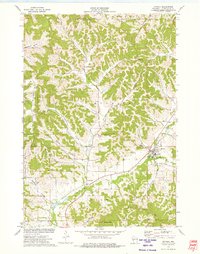 1973 Ettrick1975 Print · USGSTrempealeau County’s distinctive coulee country is captured here during the 1970s, showcasing the tight-knit valley settlements and ridges of western Wisconsin. Genealogists can locate family landmarks like Vor Frelsers Cem, the French Creek Ch, and the rural community of Frenchville.
 - 1973 Map of Galesville, 1975 Print
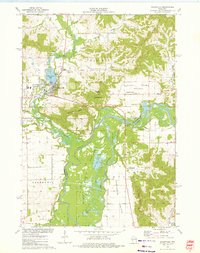 1973 Galesville1975 Print · USGSGalesville and the winding Black River corridor are captured here during the early 1970s. Researchers can trace family roots through the Decorah Prairie Cem, locate old junctions like Butman Corners, and explore the wetlands of the Van Loon State Wildlife Area.
 - 1973 Map of Tamarack, 1975 Print
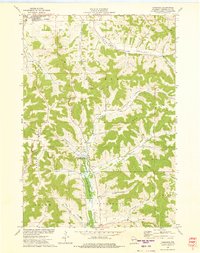 1973 Tamarack1975 Print · USGSTrempealeau County in the early seventies shows a landscape of deep coulees and ridges defined by a traditional rural economy. Genealogists can locate family-named landmarks and burial sites like Arcadia Cem, Severson Coulee, and Tamarack Ch.
 - 1973 Map of Trempealeau, 1975 Print
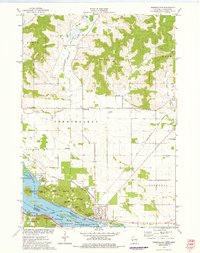 1973 Trempealeau1975 Print · USGSThe Mississippi River bluffs and riverfront at Trempealeau are shown in the early seventies as a major rail hub. Trace the junction of three railroads near Trempealeau and explore the rugged river landscape of Perrot State Park and Eagle Bluff.
 - 1985 Map of Winona
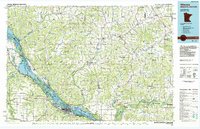 1985 Winona1985 Print · USGSThe Mississippi River valley and the coulees of the Driftless Area are shown here in the mid-1980s as the river's lock-and-dam system was well-established. Researchers can trace the riverfront at Winona, explore the bluffs near Galesville, or locate landmarks like Sugarloaf and Merrick State Park.2 unique versions available
 - 2010 Map of Galesville, 2010 Print
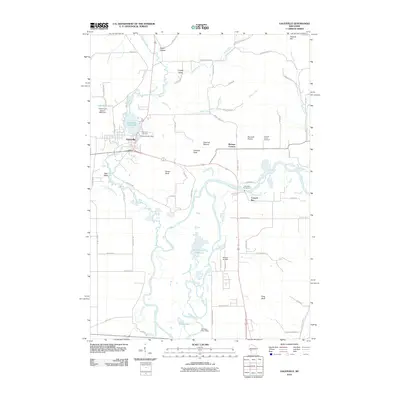 2010 Galesville2010 Print · USGSWisconsin’s river valleys and bluffs come into focus during the early twenty-first century as the Black River snakes through the landscape. Researchers can trace local heritage through the Pine Cliff Cemetery and identify the industrial footprint of the Galesville Mill Dam.
 - 2010 Map of Stevenstown, 2010 Print
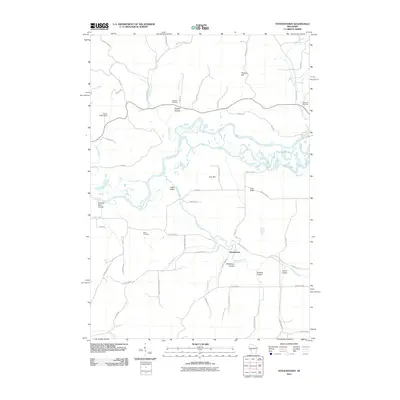 2010 Stevenstown2010 Print · USGSIn the coulee country of western Wisconsin, this early twenty-first-century survey highlights the settlement of Stevenstown and the winding course of the Black River. Local historians can trace family-named landmarks and burial sites like Glasgow Cemetery and Sacia Cemetery.
 - 2010 Map of Hegg, 2010 Print
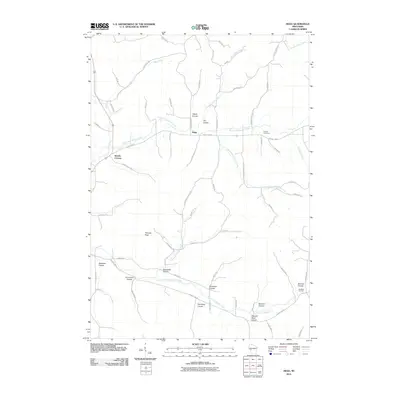 2010 Hegg2010 Print · USGSWisconsin's coulee country is captured here during the early twenty-first century, showing a rural landscape defined by deep valleys and stream forks. Researchers can trace family history through sites like Pioneer Cemetery, Beachs Corners, and the many family-named valleys such as Svenson Coulee and Van Riper Coulee.
 - 2010 Map of Ettrick, 2010 Print
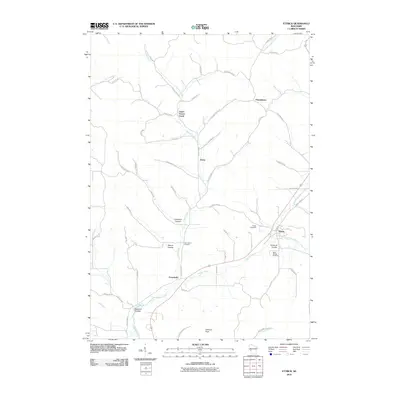 2010 Ettrick2010 Print · USGSThe coulee country of Trempealeau County is captured here in the early twenty-first century, showing the enduring agricultural patterns of the Beaver Creek valley. Genealogists can trace family connections at Vor Frelsers Cemetery or Saint Bridget Cemetery near the settlements of Ettrick and Frenchville.
 - 2010 Map of Tamarack, 2010 Print
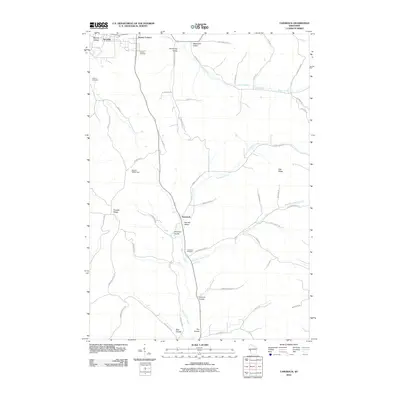 2010 Tamarack2010 Print · USGSThe coulees and ridges of Trempealeau County are revealed in this modern survey of the Driftless Area. Researchers can trace family history through several local landmarks like Arcadia Cemetery, the community of Tamarack, and Severson Coulee.
 - 2011 Map of Trempealeau, 2011 Print
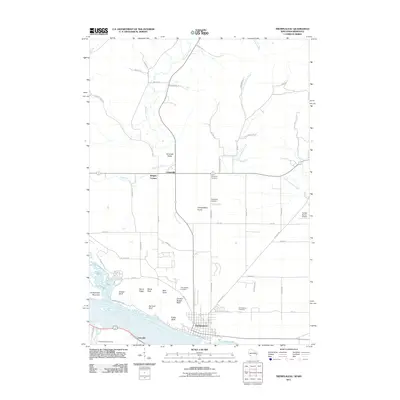 2011 Trempealeau2011 Print · USGSThe river bluffs of Trempealeau County are meticulously mapped in this early twenty-first-century survey. Local historians can trace family roots through the Old Catholic Cemetery or locate landmarks like Chicken Breast Bluff and the Schubert Airstrip.
 - 2013 Map of Stevenstown, 2013 Print
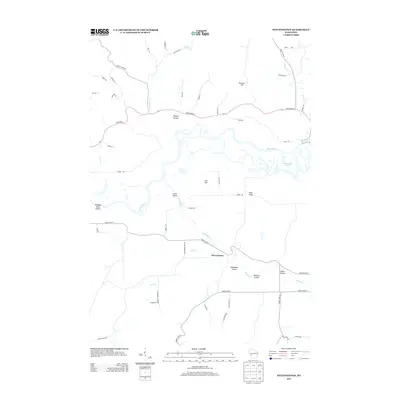 2013 Stevenstown2013 Print · USGSWisconsin's driftless-style terrain comes into sharp focus here during the early twenty-first century, featuring the winding Black River and numerous coulees. Family-named landmarks and rural geography are easy to trace through Stevenstown, Peacock Hill, and Toppen Coulee.
 - 2013 Map of Galesville, 2013 Print
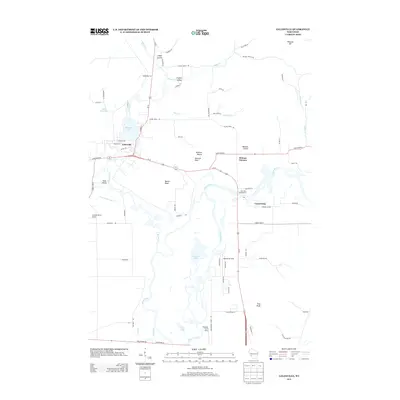 2013 Galesville2013 Print · USGSGalesville and the surrounding river valleys are documented here during a period of modern growth and preserved wetlands. Genealogists and local historians can trace family land near Council Bay, Butman Corners, and the scenic heights of Queen Bluff.
 - 2013 Map of Ettrick, 2013 Print
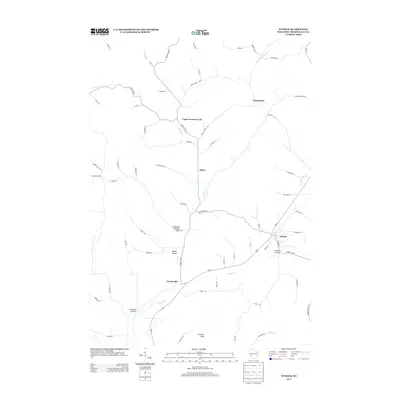 2013 Ettrick2013 Print · USGSWisconsin's coulee country is documented in detail here during the early twenty-first century. Researchers can trace the rural road networks and family-named landmarks that define this region, including Johnson Peak, Frenchville, and the various valleys like Mason Coulee.
 - 2013 Map of Trempealeau, 2013 Print
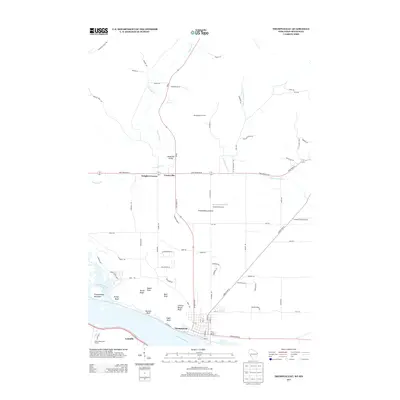 2013 Trempealeau2013 Print · USGSThe Mississippi River valley meets the bluffs of western Wisconsin in the early twenty-first century. Local historians can trace the development of riverfront communities like Trempealeau and Lamoille, or locate rural landmarks such as Schubert Airstrip and Perrot State Park.
 - 2013 Map of Tamarack, 2013 Print
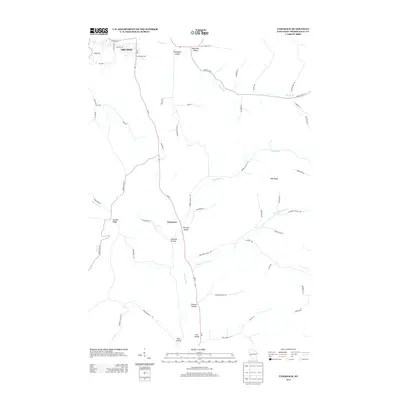 2013 Tamarack2013 Print · USGSTrempealeau County's characteristic coulee country is documented here in the early twenty-first century as agriculture and topography intersect. Genealogists and local historians can trace family-named landmarks and rural routes through Norway Valley, Oak Ridge, and German Coulee.
 - 2013 Map of Hegg, 2013 Print
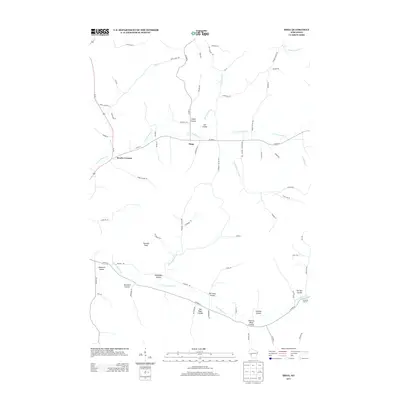 2013 Hegg2013 Print · USGSThe Driftless Area hills come alive in this early twenty-first-century survey of the coulees and creek forks surrounding Hegg. Local historians can trace the geography of old family lands through named features like Thimble Peak, Beachs Corners, and German Coulee.
Showing maps 1-25 of 43
Top cities near Gale
- La Crosse historical maps
- Onalaska historical maps
- Holmen historical maps
- West Salem historical maps
- Arcadia historical maps
- Trempealeau historical maps
See more
Top neighborhoods of Gale
Frequently asked questions
- What are the different types of historical maps available for Gale?
- What is the oldest map of Gale?
- Where can I purchase historical maps of Gale for my home or office?
- Where can I download high-res historical maps of Gale?
- Are there historical topographic maps available for Gale?
- Is there historical aerial imagery available for Gale?
- Where are historical maps of Gale sourced from?