Old Maps of Ottawa, Wisconsin for Academic Research
Study the evolution of Ottawa with 50 high-resolution historic maps. Whether you're teaching, researching, or modeling changes in land use, these maps provide essential visual documentation of urban, environmental, and geographic change.
- Analyze long-term change: Track patterns in development, transportation, and natural features.
- Ideal for environmental or urban studies: Support academic projects with primary historical map data.
- Use in the classroom or lab: Educators and researchers rely on these maps to bring historical context to life.
These maps are a powerful tool for teaching, research, and visualizing how Ottawa has changed over the decades.
Ottawa, WI maps
(50)- 1892 Map of Watertown
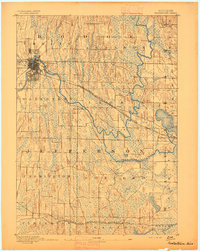 1892 Watertown1892 Print · USGSJefferson and Dodge counties at the close of the nineteenth century are defined by their winding river valleys and newly established rail corridors. Genealogists can trace family roots in early settlements like Watertown, Ixonia, and Sullivan, or follow the Rock River to its junction with the Oconomowoc River.
 - 1892 Map of Oconomowoc
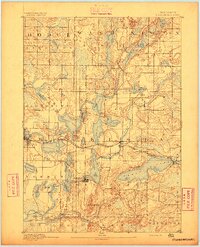 1892 Oconomowoc1892 Print · USGSWaukesha County's lake country is captured in the early 1890s, revealing a landscape defined by glacial waters and nascent rail lines. Researchers can trace the early development of Delafield and Hartland or locate old stops like Lakeside Station and Giffords.4 unique versions available
 - 1892 Map of Whitewater
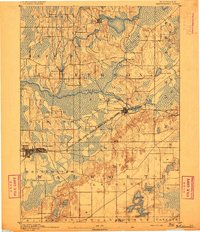 1892 Whitewater1892 Print · USGSSoutheastern Wisconsin's glaciated landscape is revealed in the late nineteenth century as the rail network began to shape local growth. Trace the path of the Chicago Milwaukee And St. Paul Railroad through Whitewater, Palmyra, and the marshes of the Bark River.
 - 1892 Map of Eagle
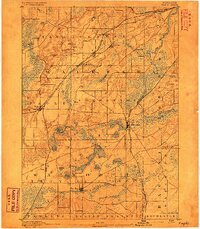 1892 Eagle1892 Print · USGSSoutheast Wisconsin's glaciated landscape is captured here in the late nineteenth century as new rail lines transformed the frontier into a network of dairy and mill towns. Genealogists can trace early homesteads and rail stops like Genesee Depot, Caldwell Prairie, and Eagleville near the shores of Phantom Lake.
 - 1893 Map of Whitewater
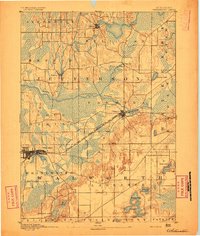 1893 Whitewater1893 Print · USGSThe dairy lands and glacial lake districts of southeastern Wisconsin are captured here in the late nineteenth century. Trace the early village footprints of Whitewater and Palmyra, or follow the iron path of the Prairie Du Chien Division Railroad past Lauderdale Lakes.7 unique versions available
 - 1894 Map of Watertown
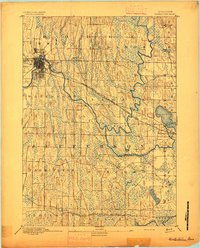 1894 Watertown1894 Print · USGSSouthern Wisconsin at the close of the nineteenth century reveals a landscape shaped by glacial ridges and the iron horse. Genealogists can trace family footprints in settlements like Watertown, Ixonia, and Sullivan, or follow the rail lines that connected Lac La Belle to the wider region.5 unique versions available
 - 1894 Map of Eagle
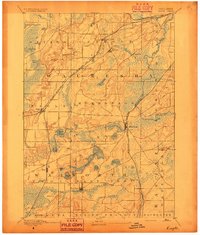 1894 Eagle1894 Print · USGSSoutheast Wisconsin in the late nineteenth century was defined by a thriving rail network and glacial lake landscapes. Researchers can trace the early footprints of settlements like Genesee and East Troy alongside the Fox River and the Wisconsin Central Railroad.
 - 1897 Map of Eagle
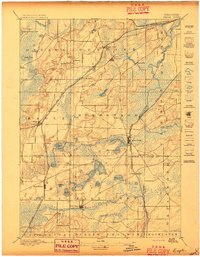 1897 Eagle1897 Print · USGSSoutheast Wisconsin in the late nineteenth century was a landscape of thriving rail-side villages and interconnected kettle lakes. Genealogists and researchers can trace early homesteads and rail stops like Genesee Depot, North Prairie, and the bustling lakefront at Mukwonago.
 - 1903 Map of Whitewater
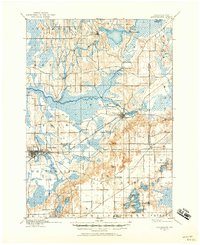 1903 Whitewater1903 Print · USGSSoutheastern Wisconsin at the turn of the century reveals a landscape of thriving rail towns and glacial lake systems. Trace the early routes of the Chicago Milwaukee and St Paul railroad between Whitewater and Palmyra, or locate old lakeside settlements like Heart Prairie.5 unique versions available
 - 1906 Map of Eagle
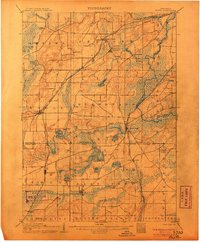 1906 Eagle1906 Print · USGSSoutheastern Wisconsin's glaciated terrain is remarkably detailed in this early century survey of the Fox River valley. Genealogists and local historians can trace the early rail-stop settlements of Genesee Depot, North Prairie, and Eagleville alongside landmarks like Lake Beulah and Honey Creek.6 unique versions available
 - 1909 Map of Oconomowoc
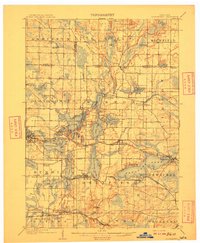 1909 Oconomowoc1909 Print · USGSThe Lake Country of Waukesha County is captured here at the height of its early resort era. You can trace family roots in Oconomowoc, locate the historic Nashotah Mission, and find long-lost stops like Waukesha Beach and Lakeside Sta.6 unique versions available
 - 1924 Map of Whitewater
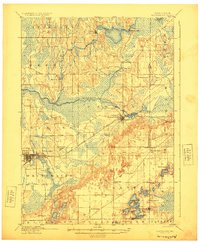 1924 Whitewater1924 Print · USGSSoutheastern Wisconsin at the turn of the century shows a landscape of glacial lakes and thriving rail-side towns. Genealogists and historians can trace old homesteads near Heaths Mills, the station at Palmyra, and the early township centers of Rome and Lagrange.4 unique versions available
 - 1954 Map of Rockford
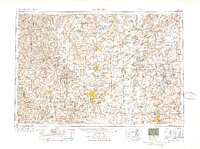 1954 Rockford1954 Print · USGSThe Rock River valley and the Illinois-Wisconsin borderlands are captured here in the mid-1950s during a period of robust industrial and agricultural activity. Genealogists and historians can trace rail-era corridors like the Illinois Central RR and locate landmarks from Big Foot Prairie to Lake Geneva.
 - 1955 Map of Rockford
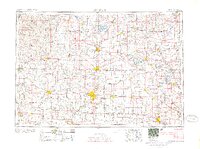 1955 Rockford1955 Print · USGSThe Rock River valley and southern Wisconsin dairy country are shown here in the mid-fifties as the region's manufacturing centers grew. Genealogists and historians can trace the paths of the Chicago and North Western RR and Illinois Central RR through hubs like Rockford and Beloit.
 - 1957 Map of Madison, 1967 Print
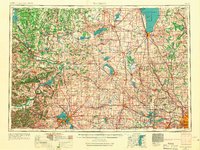 1957 Madison1967 Print · USGSSouth-central Wisconsin in the mid-fifties reveals a landscape of industrial hubs and glacial lakes linked by a dense rail and highway network. Genealogists and historians can trace the development of lakeside communities and find notable sites like Badger Ordnance Works and the Horicon National Wildlife Refuge.3 unique versions available
 - 1958 Map of Rockford, 1974 Print
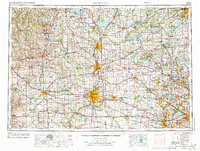 1958 Rockford1974 Print · USGSNorthern Illinois and southern Wisconsin are shown here in the mid-twentieth century as rail-dependent industrial towns began to interface with growing lakefront communities. Genealogists can trace family roots through settlements like Saylesville and Tess Corners or locate historical landmarks like the Rockford Ordnance Depot.4 unique versions available
 - 1959 Map of Oconomowoc East, 1961 Print
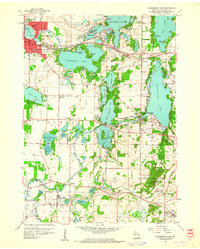 1959 Oconomowoc East1961 Print · USGSWaukesha County's lake country is captured here in the late fifties, showcasing a landscape of glacial waters and growing towns. Local historians can locate St Johns Military Academy, the Wisconsin School for Boys, and family sites near Holy Innocents Cem.5 unique versions available
 - 1959 Map of Hartland, 1961 Print
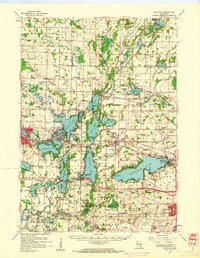 1959 Hartland1961 Print · USGSWaukesha County at the close of the 1950s shows a landscape defined by glacial lakes and a maturing rail network. Genealogists and historians can trace old community hubs like Stonebank and Merton, identifying local landmarks from St Olaf Ch to University Lake Sch.
 - 1959 Map of Watertown, 1961 Print
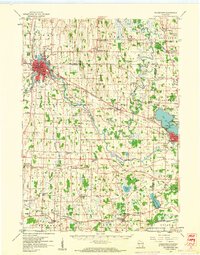 1959 Watertown1961 Print · USGSJefferson and Dodge Counties are captured in the late fifties as a thriving agricultural and rail corridor. Genealogists can trace family roots through numerous sites like Old Lebanon, St Bernard Cem, and rural schoolhouses including High Lawn Sch.3 unique versions available
 - 1959 Map of Oconomowoc West, 1961 Print
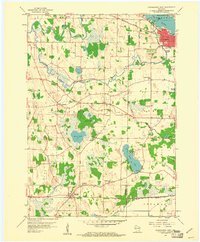 1959 Oconomowoc West1961 Print · USGSJefferson and Waukesha counties come to life in the late fifties, showing a landscape of lakeside settlements and rural crossroads. Genealogists can trace family landmarks like St Johns Ch, Norwegian Cem, and the Concord Center Cem.2 unique versions available
 - 1960 Map of Madison
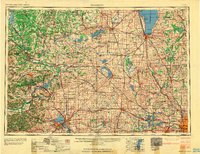 1960 Madison1960 Print · USGSCentral and Southern Wisconsin are captured in the late fifties, showing the region as its rail-and-river network matured. Trace the paths of the Soo Line RR or locate family roots near Lake Mendota and Horicon National Wildlife Refuge.2 unique versions available
 - 1960 Map of Eagle, 1962 Print
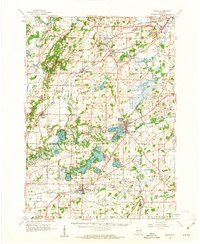 1960 Eagle1962 Print · USGSSoutheast Wisconsin at the start of the 1960s shows a complex network of glacial lakes and bustling rail-stop towns. Genealogists can trace family names at Evergreen Cem and St Paul Cem, or locate rural schoolhouses like Sandy Island Sch.3 unique versions available
 - 1960 Map of Whitewater, 1962 Print
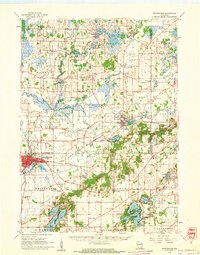 1960 Whitewater1962 Print · USGSThe Whitewater area and its glacial lake country are captured here at the start of the 1960s. Genealogists and local researchers can trace the locations of Wisconsin State College, the Siloam Chapel, and numerous rural schoolhouses.4 unique versions available
 - 1960 Map of Eagle, 1964 Print
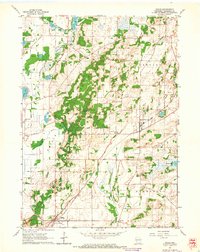 1960 Eagle1964 Print · USGSWaukesha County's glacial terrain and rural hamlets are captured here at the start of the 1960s. Genealogists can trace family names and local landmarks like Jerusalem Cem, Salem Ch, and the small settlement of Jericho.3 unique versions available
 - 1960 Map of Palmyra, 1964 Print
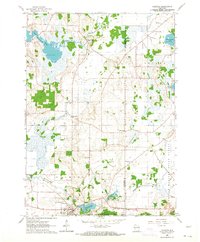 1960 Palmyra1964 Print · USGSWisconsin's glacial landscape is meticulously detailed in the early 1960s, showing the intersection of the Kettle Moraine State Forest and the Scuppernong River. Researchers can trace rural lineages through family landmarks like Heath Mills and old country burial grounds including Zion Cem and Melindas Prairie Cem.2 unique versions available
Showing maps 1-25 of 50
Top cities near Ottawa
- Waukesha historical maps
- Watertown historical maps
- Oconomowoc historical maps
- City of Pewaukee historical maps
- Whitewater historical maps
- Richfield historical maps
See more
Frequently asked questions
- What are the different types of historical maps available for Ottawa?
- What is the oldest map of Ottawa?
- Where can I purchase historical maps of Ottawa for my home or office?
- Where can I download high-res historical maps of Ottawa?
- Are there historical topographic maps available for Ottawa?
- Is there historical aerial imagery available for Ottawa?
- Where are historical maps of Ottawa sourced from?