Old Maps of Little Wolf, Wisconsin for Metal Detecting
Plan your next treasure hunt with 32 historic maps of Little Wolf. Find old homesites, ghost towns, trails, and gathering spots that may be lost to time — perfect for identifying promising metal detecting locations.
- Locate forgotten sites: Uncover places like long-lost settlements, abandoned rail lines, or gathering spots.
- Plan better hunts: Use map overlays combined with LiDAR or satellite views to narrow in on historically rich areas.
- Made for detectorists: Thousands of hobbyists use these maps to discover relics, coins, and hidden history.
Use these historic maps to boost your research and find new opportunities beneath the surface of Little Wolf.
Little Wolf, WI maps
(32)- 1955 Map of Clintonville, 1957 Print
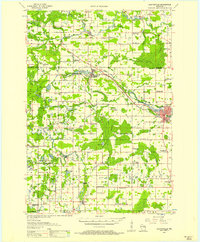 1955 Clintonville1957 Print · USGSClintonville and Marion are shown at a peak of rail-era development in the mid-1950s. Genealogists can trace family roots through numerous rural landmarks like Graceland Cem, the Danish Cem, and one-room schoolhouses such as Sunrise Sch.2 unique versions available
 - 1955 Map of Green Bay, 1968 Print
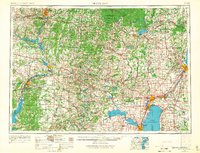 1955 Green Bay1968 Print · USGSCentral and Eastern Wisconsin are captured here in the mid-fifties, showing the industrial growth of the Fox Valley and Wisconsin River corridors. Genealogists and historians can trace rail lines like the Green Bay and Western through settlements like Weyauwega, Clintonville, and Pulaski.2 unique versions available
 - 1956 Map of Weyauwega, 1958 Print
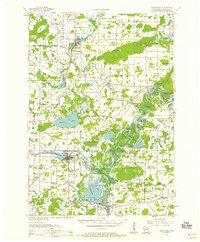 1956 Weyauwega1958 Print · USGSCentral Waupaca County is mapped here in the mid-fifties, showing a landscape defined by the winding Wolf River and a thriving network of rural townships. Genealogists can trace family roots at St Patricks Cem, Baldwins Mill Sch, and the State Sanatorium.
 - 1969 Map of Northport, 1971 Print
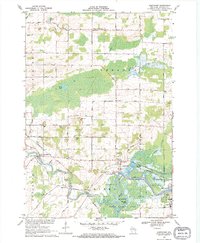 1969 Northport1971 Print · USGSWaupaca County's river valleys and rural townships are captured here in the late sixties as the river-and-rail economy persisted. Genealogists and local historians can trace family-named landmarks and essential community sites like Fitzgerald Corners, St Patrick Cem, and the Maple Hill Sch.
 - 1969 Map of Manawa, 1971 Print
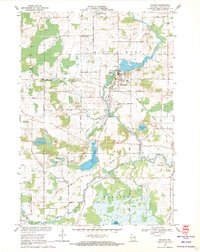 1969 Manawa1971 Print · USGSWaupaca County's rural heartland is captured here in the late sixties as the river-and-rail economy defined local life. Researchers can trace family-named roads and find quiet landmarks like St John Ch, Baldwins Mill Cem, and Green Valley Sch.2 unique versions available
 - 1970 Map of Symco, 1973 Print
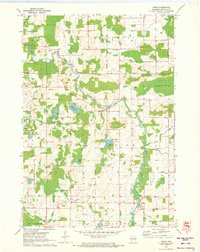 1970 Symco1973 Print · USGSWaupaca County's glacial landscape is meticulously documented here during the early 1970s, as the Little Wolf River carves through a region of scattered dairy farms and woodlots. Researchers can locate early family landmarks like St Pauls Ch and the Danish Cem or trace the drainage of Marble Swamp.
 - 1970 Map of Clintonville South, 1973 Print
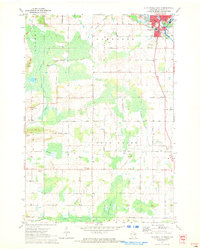 1970 Clintonville South1973 Print · USGSWaupaca County's rural townships and the southern edge of Clintonville are documented here in the early 1970s. Trace family land near Marble Cem, find local landmarks like St Martin Sch, and follow the old CHICAGO AND NORTH WESTERN rail line.
 - 1984 Map of Appleton, 1985 Print
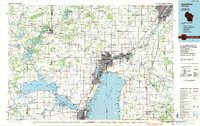 1984 Appleton1985 Print · USGSThe Fox River Valley in the mid-eighties shows a bustling corridor of industry and nature, from the shores of Lake Winnebago to the Oneida Indian Reservation. Trace local heritage through landmarks like Riverside Cem or explore the wetlands of Poygan Marsh State Wildlife Area.2 unique versions available
 - 1984 Map of Shawano, 1985 Print
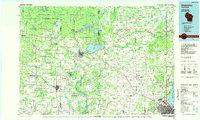 1984 Shawano1985 Print · USGSNortheast Wisconsin in the mid-1980s was a landscape defined by its indigenous heritage and the bustling trade centers of the Fox and Wolf River valleys. Genealogists and historians can trace rail corridors like the Chicago and North Western or locate family sites near Keshena, Cecil, and the Fort Howard Cem.2 unique versions available
 - 1993 Map of Northport, 1995 Print
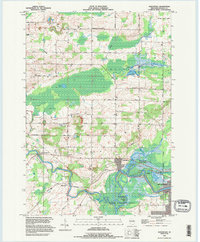 1993 Northport1995 Print · USGSWaupaca County's river valleys and wetlands are captured in the mid-1990s as the Wolf River winds through the countryside. Researchers can trace local lineage through sites like St Patrick Cem, the settlement at Fitzgerald Corners, and family land along Nicolai Road.
 - 1993 Map of Clintonville South, 1995 Print
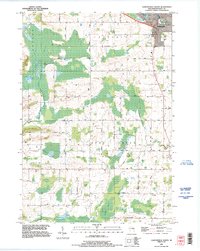 1993 Clintonville South1995 Print · USGSClintonville and its southern rural townships are captured in the early nineties, showing a landscape defined by traditional rail corridors and meandering river systems. Genealogists can locate family-named landmarks and several historic burial sites, including Graceland Cem and Townline Cem, while tracing the course of Bear Creek.
 - 1993 Map of Symco, 1996 Print
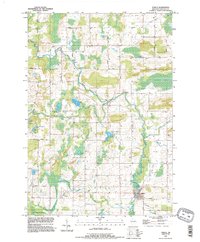 1993 Symco1996 Print · USGSWaupaca County's rural townships are detailed here in the 1990s as a landscape of interconnected kettle lakes and winding river valleys. Researchers can trace family-named roads and locate historical landmarks like the Danish Cem, Symco, and School Section Lake.
 - 2010 Map of Symco, 2010 Print
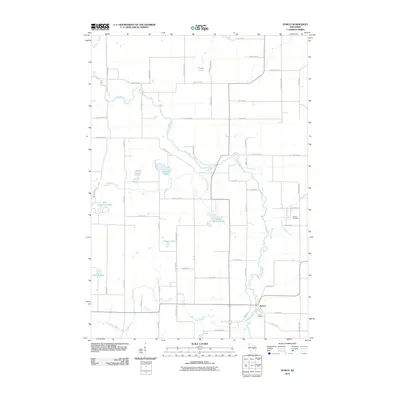 2010 Symco2010 Print · USGSWaupaca County's river-fed landscapes come to life in this survey from the early twenty-first century. Genealogists and local historians can trace family connections at the Danish Cemetery or follow the winding Little Wolf River past Symco.
 - 2010 Map of Clintonville South, 2010 Print
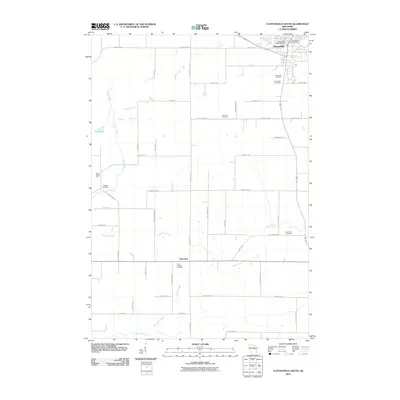 2010 Clintonville South2010 Print · USGSClintonville and its southern rural surrounds are documented here at the start of the decade, showing a landscape of scattered farms and family cemeteries. Researchers can locate the Clintonville Post Office or trace ancestral sites at Graceland Cemetery, Marble Cemetery, and Nicholson.
 - 2010 Map of Manawa, 2010 Print
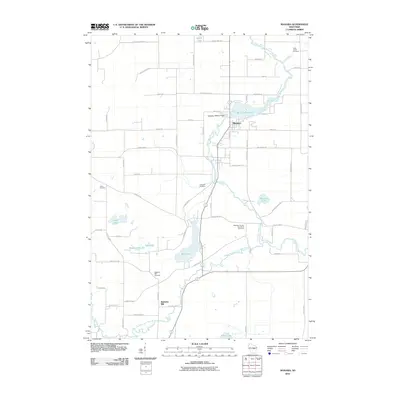 2010 Manawa2010 Print · USGSWaupaca County's river valleys and small farming communities are preserved here as they appeared in the early twenty-first century. Genealogists can trace family roots at the Waupaca County Poor Farm Cemetery, Union Cemetery, and the historic settlement of Baldwins Mill.
 - 2010 Map of Northport, 2010 Print
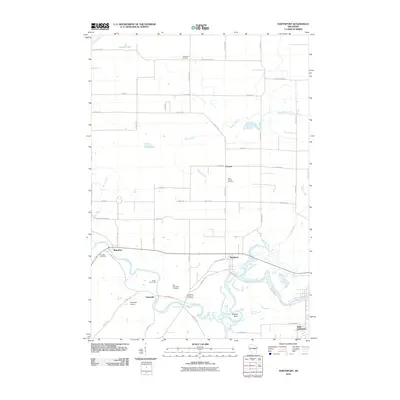 2010 Northport2010 Print · USGSNear the confluence of the Wolf and Little Wolf Rivers, this 2010 survey shows the rural landscape of Waupaca County before recent developments. Researchers can locate family burial sites at Old Ostrander Cemetery or trace the river's path through Shirttail Bend near Northport.
 - 2013 Map of Northport, 2013 Print
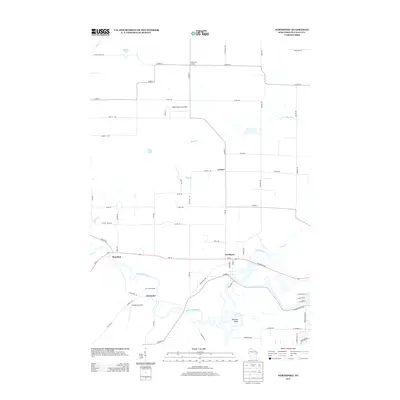 2013 Northport2013 Print · USGSIn this 2010s Wisconsin survey, the confluence of the Wolf and Little Wolf Rivers shapes the rural landscape of Waupaca County. Genealogists and local historians can trace the roads and waterways connecting Northport, Royalton, and landmarks like Shirttail Bend.
 - 2013 Map of Symco, 2013 Print
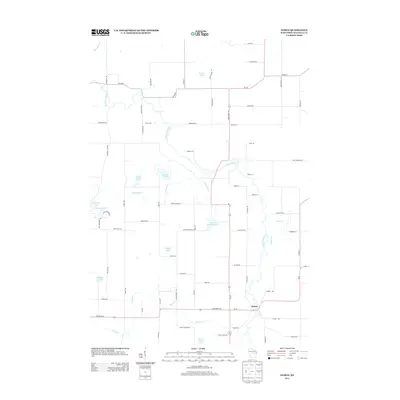 2013 Symco2013 Print · USGSSurrounding the settlement of Symco in the early 21st century, this area is defined by the winding Little Wolf River and its glacial lake system. Researchers can trace land patterns and local genealogy through family-named routes like BEGROW RD and JOSSIE RD.
 - 2013 Map of Manawa, 2013 Print
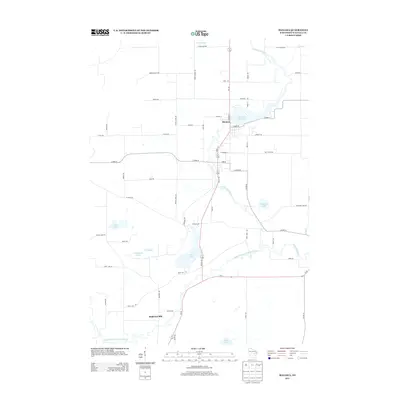 2013 Manawa2013 Print · USGSThe riverfront town of Manawa and the nearby community of Baldwins Mill are documented here in the early twenty-first century. Researchers can trace local development around Manawa Pond 275 and locate dozens of water features like Bear Lake and Vesey Lake.
 - 2013 Map of Clintonville South, 2013 Print
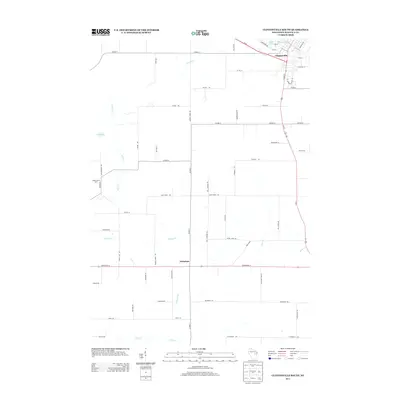 2013 Clintonville South2013 Print · USGSWaupaca County's dairy heartland is documented here in the early twenty-first century, centered on the southern reaches of Clintonville. Local historians can trace family land along Kutchenriter Rd or locate the rural crossroads at Nicholson and Maple Grove Farm.
 - 2016 Map of Manawa, 2016 Print
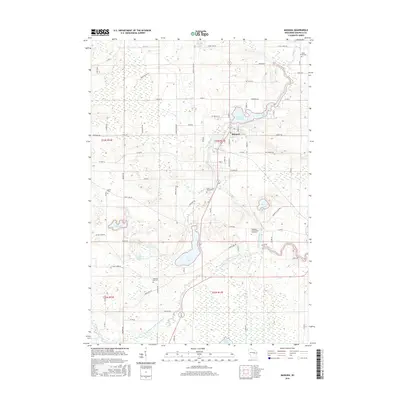 2016 Manawa2016 Print · USGSThe city of Manawa and its glacial lake country are captured here in the mid-2010s, showing a landscape defined by the Little Wolf River. Genealogists can trace family sites near Union Cemetery or the unique Waupaca County Poor Farm Cemetery.
 - 2016 Map of Symco, 2016 Print
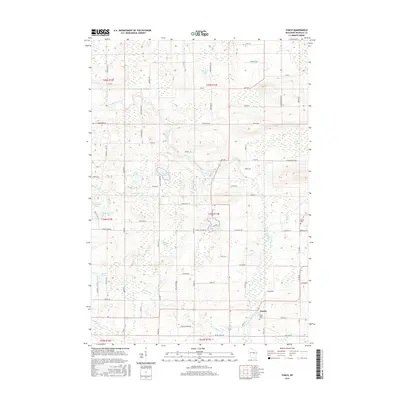 2016 Symco2016 Print · USGSWaupaca County's rural landscape is defined by the winding Little Wolf River and its surrounding wetlands in the twenty-first century. Researchers can trace family history through local landmarks like Union Cem, Danish Cem, and the quiet community of Symco.
 - 2016 Map of Northport, 2016 Print
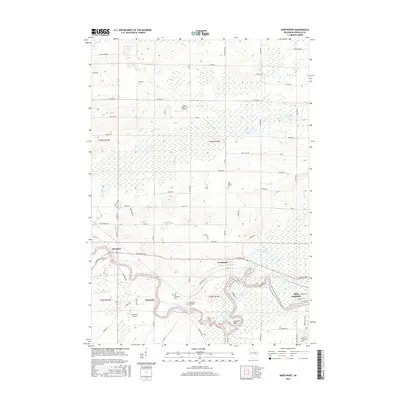 2016 Northport2016 Print · USGSWaupaca County river communities are captured here in the mid-2010s, showing the intricate bends of the Little Wolf River. Family historians can locate specific sites like the Old Ostrander Cem, Saint Patrick Cem, and the rural settlement at Royalton.
 - 2016 Map of Clintonville South, 2016 Print
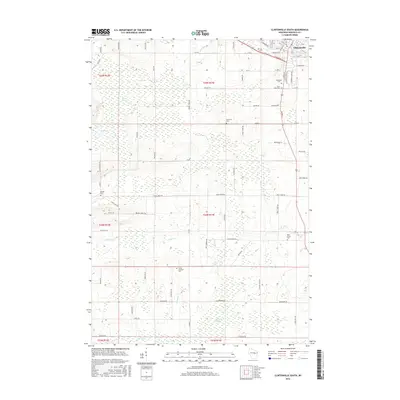 2016 Clintonville South2016 Print · USGSClintonville and its southern rural townships are captured here in the mid-2010s, showing a landscape of small farms and extensive wetlands. Genealogists can locate several local burial sites like Saint Rose Cem, Townline Cem, and Bear Creek Cem.
 - 2018 Map of Manawa, 2018 Print
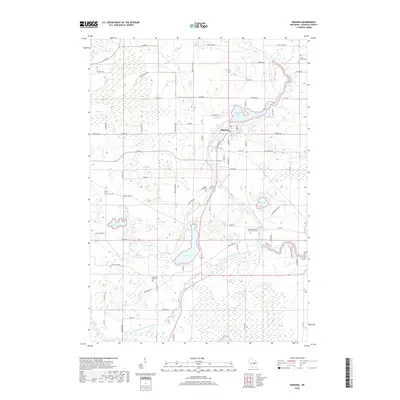 2018 Manawa2018 Print · USGSManawa and the surrounding Waupaca County countryside are centered on the winding Little Wolf River in this modern topographic study. Researchers can trace local heritage through several sites, including Union Cemetery and the notable Waupaca County Poor Farm Cemetery.
Showing maps 1-25 of 32
Top cities near Little Wolf
- New London historical maps
- Waupaca historical maps
- Clintonville historical maps
- Dale historical maps
- Belle Plaine historical maps
- Weyauwega historical maps
See more
Frequently asked questions
- What are the different types of historical maps available for Little Wolf?
- What is the oldest map of Little Wolf?
- Where can I purchase historical maps of Little Wolf for my home or office?
- Where can I download high-res historical maps of Little Wolf?
- Are there historical topographic maps available for Little Wolf?
- Is there historical aerial imagery available for Little Wolf?
- Where are historical maps of Little Wolf sourced from?