Old Maps of Algoma, Wisconsin for Metal Detecting
Plan your next treasure hunt with 33 historic maps of Algoma. Find old homesites, ghost towns, trails, and gathering spots that may be lost to time — perfect for identifying promising metal detecting locations.
- Locate forgotten sites: Uncover places like long-lost settlements, abandoned rail lines, or gathering spots.
- Plan better hunts: Use map overlays combined with LiDAR or satellite views to narrow in on historically rich areas.
- Made for detectorists: Thousands of hobbyists use these maps to discover relics, coins, and hidden history.
Use these historic maps to boost your research and find new opportunities beneath the surface of Algoma.
Algoma, WI maps
(33)- 1955 Map of Green Bay, 1968 Print
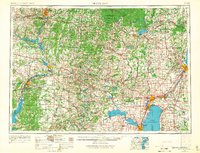 1955 Green Bay1968 Print · USGSCentral and Eastern Wisconsin are captured here in the mid-fifties, showing the industrial growth of the Fox Valley and Wisconsin River corridors. Genealogists and historians can trace rail lines like the Green Bay and Western through settlements like Weyauwega, Clintonville, and Pulaski.2 unique versions available
 - 1956 Map of Rosendale, 1957 Print
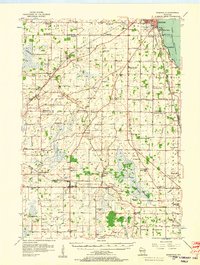 1956 Rosendale1957 Print · USGSWisconsin's farm country meets the shores of Lake Winnebago in the mid-fifties, just as the rural schoolhouse era was fading. Researchers can trace dozens of local landmarks like Paukotuk, Woodhull (Station), and several abandoned sites like Knott Sch.2 unique versions available
 - 1957 Map of Madison, 1967 Print
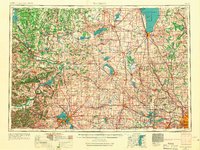 1957 Madison1967 Print · USGSSouth-central Wisconsin in the mid-fifties reveals a landscape of industrial hubs and glacial lakes linked by a dense rail and highway network. Genealogists and historians can trace the development of lakeside communities and find notable sites like Badger Ordnance Works and the Horicon National Wildlife Refuge.3 unique versions available
 - 1960 Map of Madison
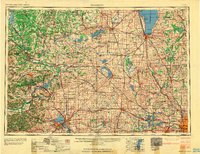 1960 Madison1960 Print · USGSCentral and Southern Wisconsin are captured in the late fifties, showing the region as its rail-and-river network matured. Trace the paths of the Soo Line RR or locate family roots near Lake Mendota and Horicon National Wildlife Refuge.2 unique versions available
 - 1961 Map of Oshkosh, 1962 Print
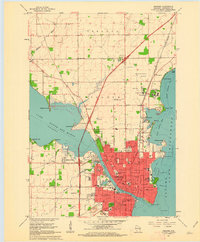 1961 Oshkosh1962 Print · USGSOshkosh and the Fox River waterfront are captured in detail during the early sixties, showing the city's transition from a rail-heavy industrial hub to a regional educational center. Genealogists can locate family sites near Riverside Cemetery, Wisconsin State College, or the Sunny View Sanatorium.2 unique versions available
 - 1961 Map of Oshkosh, 1963 Print
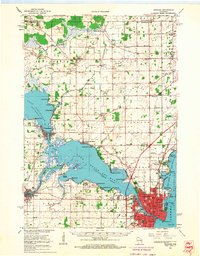 1961 Oshkosh1963 Print · USGSThe Fox River Valley in the early sixties showcases the expansion of Oshkosh and its lakefront settlements. Genealogists and historians can trace family roots through local sites like Calvary Cem, St Peters Cem, and the Winnebago State Hospital grounds.2 unique versions available
 - 1961 Map of Omro, 1966 Print
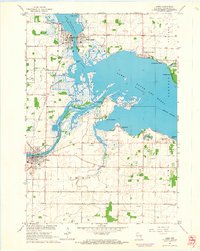 1961 Omro1966 Print · USGSThe confluence of the Wolf and Fox Rivers defines this corner of Wisconsin in the early sixties. Genealogists and historians can trace lakeside settlements like Rivermoor or find rural landmarks such as Pingry Sch and the Omro Union Cem.2 unique versions available
 - 1980 Map of Fond Du Lac
 1980 Fond Du Lac1980 Print · USGSThe Fox River Valley and Horicon Marsh meet here during the late twentieth century, showing a transition from lakeside industry to glacial conservation. Genealogists can locate family sites at Estabrook Cem or trace the rail lines through Ripon and Waupun.
 - 1980 Map of Pickett, 1981 Print
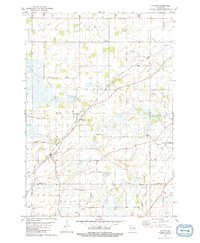 1980 Pickett1981 Print · USGSCrossing Winnebago and Fond du Lac counties in the late seventies, this survey shows a thriving rural landscape linked by rail and private airstrips. Local historians can trace family roots at Liberty Prairie Cem, visit Zoar Ch, or locate old schools like Utica Center Sch.
 - 1980 Map of Van Dyne, 1981 Print
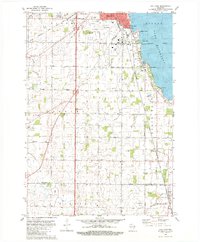 1980 Van Dyne1981 Print · USGSWinnebago and Fond du Lac counties meet along the shores of Lake Winnebago in the early eighties. Local historians can trace established lakefront settlements like Paukotuk and rural landmarks such as Lakeside Sch and St Johns Cem.
 - 1984 Map of Appleton, 1985 Print
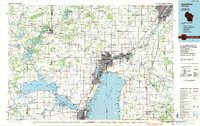 1984 Appleton1985 Print · USGSThe Fox River Valley in the mid-eighties shows a bustling corridor of industry and nature, from the shores of Lake Winnebago to the Oneida Indian Reservation. Trace local heritage through landmarks like Riverside Cem or explore the wetlands of Poygan Marsh State Wildlife Area.2 unique versions available
 - 1992 Map of Van Dyne, 1996 Print
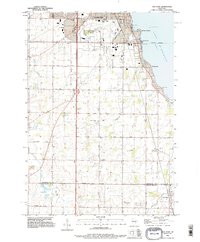 1992 Van Dyne1996 Print · USGSThe western shores of Lake Winnebago appear in the early nineties as the communities of Oshkosh and Van Dyne were steadily growing. Genealogists can trace family roots at numerous rural burial sites like Salem Cem, Schellers Cem, and New Elm Cem.
 - 1992 Map of Oshkosh, 1996 Print
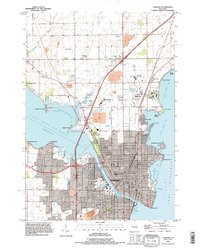 1992 Oshkosh1996 Print · USGSThe Fox River waterfront and the urban core of Oshkosh are shown here in the 1990s. Researchers can trace the grounds of the Winnebago State Hospital, the University of Wisconsin Oshkosh, and the Soo Line rail corridor.
 - 2010 Map of Van Dyne, 2010 Print
 2010 Van Dyne2010 Print · USGSThe western shores of Lake Winnebago appear here in the early twenty-first century as a mix of aviation hubs and established rural settlements. Genealogists can trace family landmarks through a dense network of local burial sites, including Wilhelmina Cemetery, Salem Cemetery, and Schellers Cemetery.
 - 2010 Map of Pickett, 2010 Print
 2010 Pickett2010 Print · USGSWinnebago County’s rural townships are documented here during the early 21st century, showing a landscape of small crossroads and family farms. Genealogists can locate family plots at Liberty Prairie Cemetery or Tice Cemetery and trace the paths of Eightmile Creek and Sawyer Creek.
 - 2010 Map of Oshkosh, 2010 Print
 2010 Oshkosh2010 Print · USGSOshkosh and the western shores of Lake Winnebago are captured here at the start of the 2010s, showing a landscape defined by the Fox River and Lake Butte des Morts. Researchers can locate long-standing institutions like the University of Wisconsin-Oshkosh Campus, Buckstaff Observatory, and the State Hospital Cemetery.
 - 2011 Map of Omro, 2011 Print
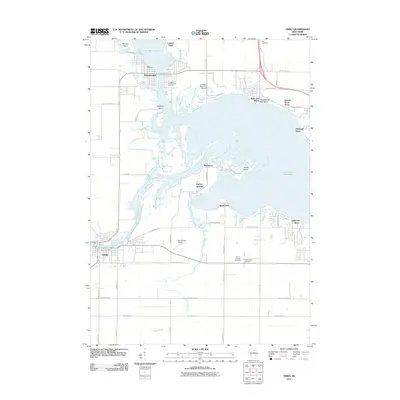 2011 Omro2011 Print · USGSThe Fox and Wolf rivers meet here in the early 2000s, shaping a landscape of waterfront neighborhoods and historic cemeteries. Genealogists can trace family names at the Omro Union Cemetery or Village of Winneconne Cemetery.
 - 2013 Map of Van Dyne, 2013 Print
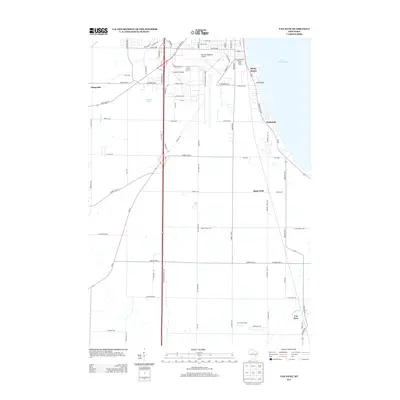 2013 Van Dyne2013 Print · USGSWinnebago County’s shoreline and aviation hubs are clearly defined in this recent survey of the Oshkosh area. Researchers can trace local landmarks like Paukotuk and Stony Beach or locate regional infrastructure including Wittman Regional Airport and Van Dyne.
 - 2013 Map of Pickett, 2013 Print
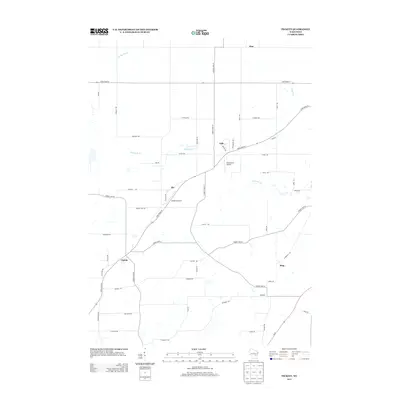 2013 Pickett2013 Print · USGSWinnebago County farm country is mapped here in the early twenty-first century, showing the small settlements and township roads that define the region. Genealogists and local historians can trace family road names and locate rural hubs like Pickett, Elo, and the Planeacres Airport.
 - 2013 Map of Oshkosh, 2013 Print
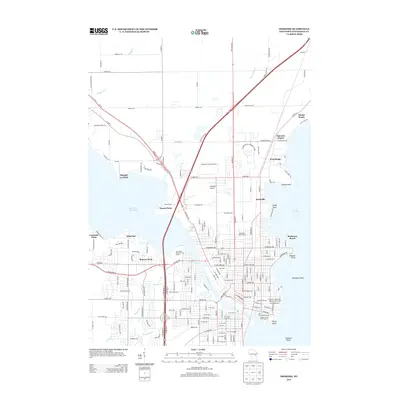 2013 Oshkosh2013 Print · USGSOshkosh and its surrounding lakefront communities are shown in high detail during the early 2010s. Researchers can trace local landmarks like the Buckstaff Observatory, the Wisconsin St Prison Farm, and the shoreline at Shangri La Point.
 - 2013 Map of Omro, 2013 Print
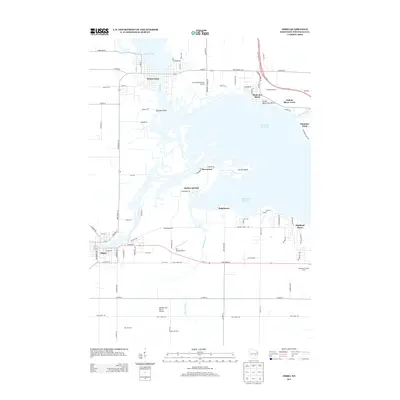 2013 Omro2013 Print · USGSIn the early twenty-first century, the river towns of Winneconne and Omro remained centered on the vital connection between the Wolf River and Lake Butte des Morts. Genealogists and local researchers can trace the shoreline growth of Rivermoor or locate family-named sites like Remer Farms and Quigleys Point.
 - 2015 Map of Pickett, 2015 Print
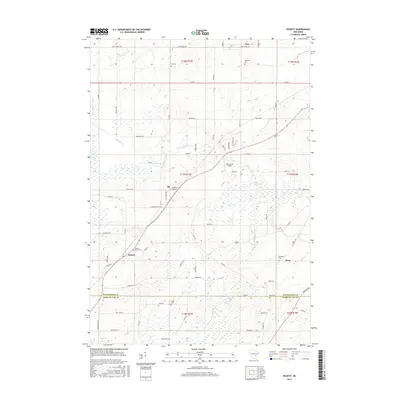 2015 Pickett2015 Print · USGSThe rural border of Winnebago and Fond du Lac Counties comes into focus in the mid-2010s, showcasing a landscape of family farms and small crossroads. Genealogists can trace local roots through numerous sites like Liberty Prairie Cem and the settlement of Pickett.
 - 2015 Map of Van Dyne, 2015 Print
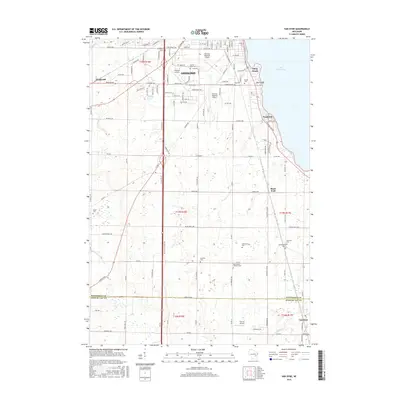 2015 Van Dyne2015 Print · USGSThe western shores of Lake Winnebago and the southern outskirts of Oshkosh are captured here in the mid-2010s. Researchers can locate numerous family burial grounds including Ellinwood Cem, Salem Cem, and New Elm Cem.
 - 2016 Map of Omro, 2016 Print
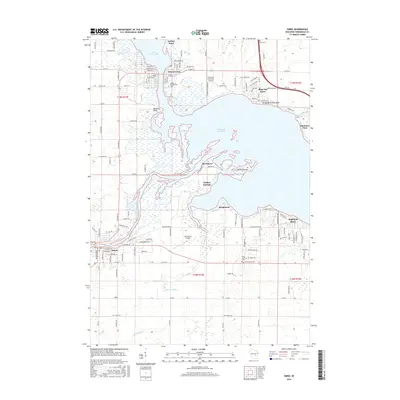 2016 Omro2016 Print · USGSThe Fox and Wolf Rivers converge here in the mid-2010s, shaping the growth of river towns like Omro and Winneconne. Genealogists and local historians can trace family roots at the Omro Union Cem or explore waterfront landmarks like Butte des Morts and Terzell Island.
 - 2016 Map of Oshkosh, 2016 Print
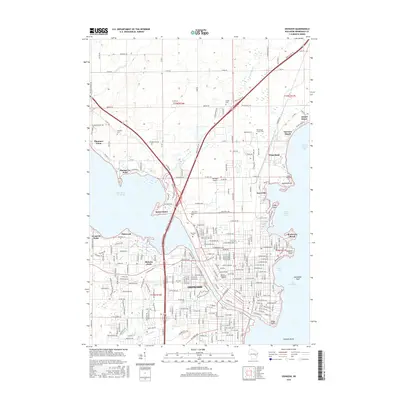 2016 Oshkosh2016 Print · USGSThe city of Oshkosh and its lakefront surroundings are shown in the mid-2010s as a thriving hub between Lake Butte des Morts and Lake Winnebago. Researchers can trace local history through the many burial grounds like Riverside Cem and landmarks such as the University of Wisconsin - Oshkosh.
Showing maps 1-25 of 33
Top cities near Algoma
- Appleton historical maps
- Oshkosh historical maps
- Fond du Lac historical maps
- Neenah historical maps
- Grand Chute historical maps
- Fox Crossing historical maps
See more
Top neighborhoods of Algoma
- Fitzgerald historical maps
- Highland Shore historical maps
- Leonards Point historical maps
- Melrose Park historical maps
- Oakwood historical maps
Frequently asked questions
- What are the different types of historical maps available for Algoma?
- What is the oldest map of Algoma?
- Where can I purchase historical maps of Algoma for my home or office?
- Where can I download high-res historical maps of Algoma?
- Are there historical topographic maps available for Algoma?
- Is there historical aerial imagery available for Algoma?
- Where are historical maps of Algoma sourced from?