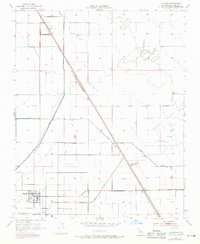
1953 Map of Alpaugh
USGS Topo · Published 1971About this map
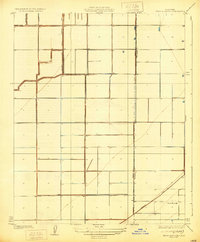
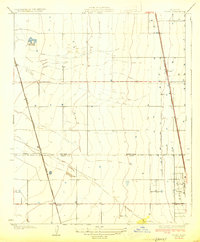
Alpaugh anchors the southwest corner of this map, revealing a landscape defined by the engineering of the Tulare Lake basin during the mid-20th century. The intricate network of the Alpaugh Irrigation District Canal, Lakeland Canal, and Homeland Levee illustrates the transition of this arid region into a highly managed agricultural zone. The Atchison Topeka and Santa Fe railroad cuts diagonally across the terrain, connecting small shipping points like Angiola and Stoil to wider markets. While much of the land is dedicated to farming, the presence of the Pixley National Wildlife Refuge and natural drainage features like Deer Creek and Elk Bayou show the remnants of the area's original hydrology. This survey provides a clear view of the infrastructure that sustained Central Valley settlements before late-century expansions changed the rural character.
Find a feature on this map
13 named features on this map. Tap any name to fly to it.
Don’t see what you’re looking for? This feature index may not catch every label — zoom into the map to look around manually.
Map Details
Editions of this 1953 Alpaugh Map
4 editions found
Other maps of this area
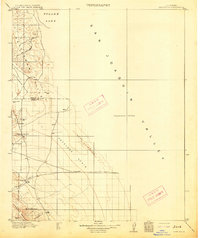
1914 · Lost Hills
USGS Topo · 1:125,000
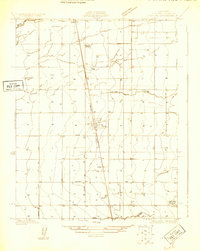
1925 · Tipton
USGS Topo · 1:31,680
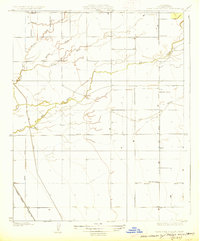
1927 · Lake View School
USGS Topo · 1:31,680
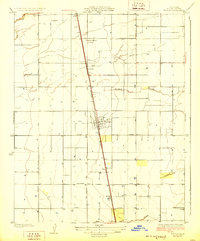
1928 · Tipton
USGS Topo · 1:31,680
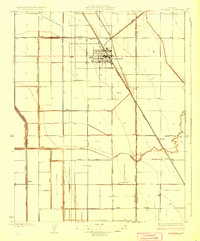
1928 · Corcoran
USGS Topo · 1:31,680
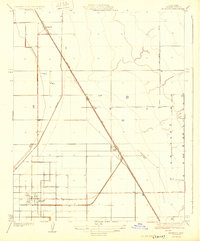
1929 · Alpaugh
USGS Topo · 1:31,680
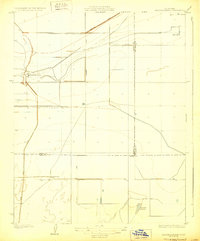
1929 · Hacienda Ranch
USGS Topo · 1:31,680
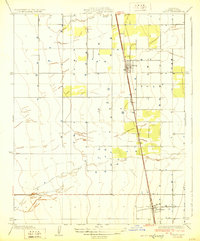
1929 · Pixley
USGS Topo · 1:31,680
1929 · West Alpaugh
USGS Topo · 1:31,680
1929 · Stone
USGS Topo · 1:31,680