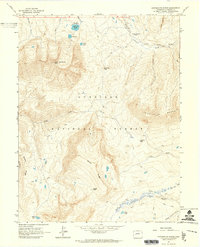
1961 Map of Anthracite Range
USGS Topo · Published 1964About this map
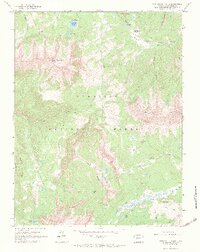
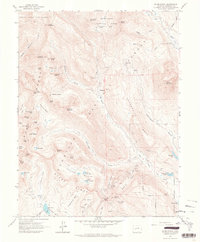
Gunnison National Forest dominates this high-altitude landscape in the early 1960s, defined by the sharp rise of the Anthracite Range and East Beckwith Mtn. The map reveals a wilderness area organized around high passes and seasonal usage, where the only signs of human activity are the Jeep Trails and Pack Trails that connect remote outposts like the Castle Creek Cow Camp. Higher elevations are marked by distinctive geological features such as The Dyke and the steep contours of Storm Ridge. Water resources are concentrated in small mountain basins, including Lost Lake, Dollar Lake, and Sheep Lake, while the Lost Lake Campground suggests the area's role for recreation within the forest. Significant gaps in the ridgelines, such as Beckwith Pass and Swampy Pass, provide the primary navigable routes through this complex vertical terrain.
Find a feature on this map
29 named features on this map. Tap any name to fly to it.
Don’t see what you’re looking for? This feature index may not catch every label — zoom into the map to look around manually.
Map Details
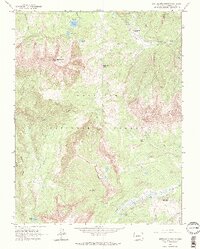
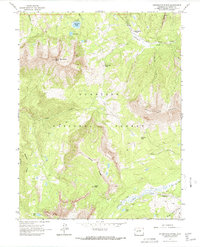
Editions of this 1961 Anthracite Range Map
7 editions found
Other maps of this area
1888 · Anthracite
USGS Topo · 1:62,500
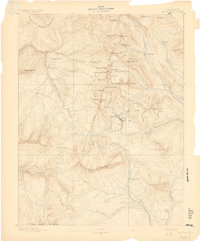
1889 · Anthracite
USGS Topo · 1:62,500
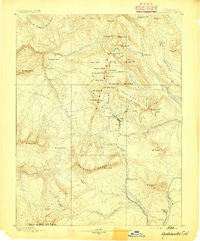
1893 · Anthracite
USGS Topo · 1:62,500
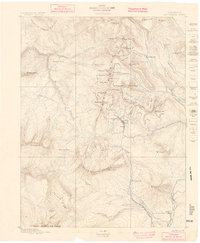
1894 · Anthracite
USGS Topo · 1:62,500
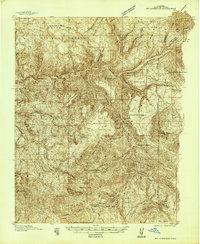
1938 · Mt. Gunnison
USGS Topo · 1:48,000
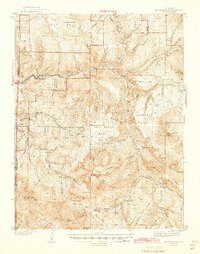
1945 · Mount Gunnison
USGS Topo · 1:62,500
1956 · Montrose
USGS Topo · 1:250,000
1959 · Montrose
USGS Topo · 1:250,000
1960 · Montrose
USGS Topo · 1:250,000
1961 · Oh-Be-Joyful
USGS Topo · 1:24,000