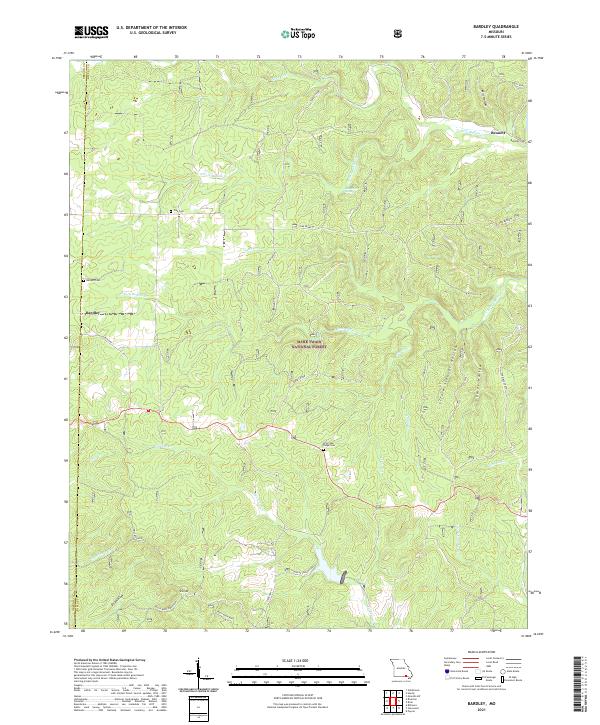
2021 Map of Bardley
USGS Topo · Published 2021About this map
Bardley and Bennett serve as the primary human touchpoints in this section of the Ozarks, where the landscape is defined by the deep dissection of the Buffalo Creek drainage system. The terrain transitions from the forested heights of Mark Twain National Forest down toward the Fourche Lake Rec Area in the south. Local history and family ties are preserved at several small burial sites, including Briar Oak Ridge Cem and Pine Cem, which remain scattered across the ridges. Water sources like Blue Hole Spring and the S Fork Buffalo Cr illustrate the hydrography that likely dictated early settlement patterns in this area near the Oregon and Ripley County line. The map also highlights significant vertical relief at South Wolf Mountain and Turkey Knob, overlooking the winding corridors of Fourche Creek.
Find a feature on this map
39 named features on this map. Tap any name to fly to it.
Don’t see what you’re looking for? This feature index may not catch every label — zoom into the map to look around manually.
Map Details
Editions of this 2021 Bardley Map
This is the sole edition of this map. No revisions or reprints were ever made.
Other maps of this area
1939 · Doniphan
USGS Topo · 1:62,500
1941 · Gatewood
USGS Topo · 1:62,500
1944 · Van Buren
USGS Topo · 1:62,500
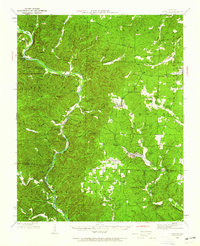
1944 · Grandin
USGS Topo · 1:62,500
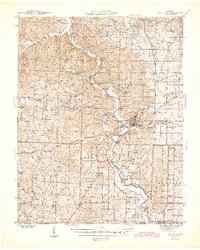
1945 · Doniphan
USGS Topo · 1:62,500
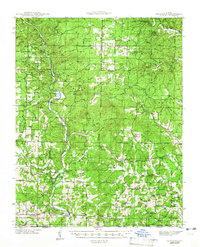
1945 · Gatewood
USGS Topo · 1:62,500
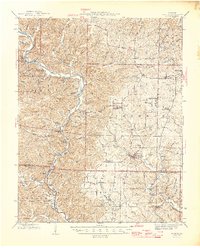
1946 · Grandin
USGS Topo · 1:62,500
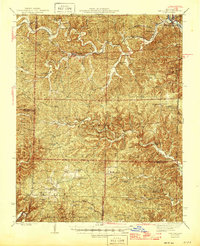
1946 · Van Buren
USGS Topo · 1:62,500
1957 · Poplar Bluff
USGS Topo · 1:250,000
1959 · Poplar Bluff
USGS Topo · 1:250,000