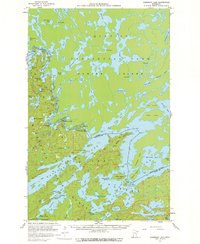
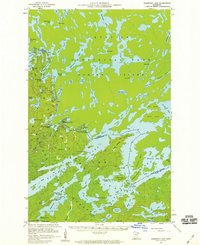
1957 Map of Basswood Lake
USGS Topo · Published 1978About this map
Quetico Provincial Park and the Superior National Forest define this international borderland, where the boundary between Ontario and Minnesota bisects a complex network of waterways. The 1957 field check captured the area before modern wilderness regulations restricted certain footprints, showing a Trading Post near the center of the lake system and the Quetico Wilderness Research Center on the shoreline. This map illustrates the unique trans-border geography of Hunter Island, a massive landmass surrounded entirely by water, and features distinctive sites like the small settlement at Gary I. From the Gaging Station to a remote Cem on the island, the map tracks how scientific and commercial interests maintained a presence in this aquatic interior. Water travel routes are clearly marked by named channels such as Ranger Bay and Thursday Bay, reflecting the long-established canoe and portage culture of the region.
Find a feature on this map
89 named features on this map. Tap any name to fly to it.
Don’t see what you’re looking for? This feature index may not catch every label — zoom into the map to look around manually.
Map Details
Editions of this 1957 Basswood Lake Map
3 editions found
Other maps of this area
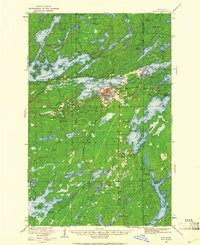
1933 · Ely
USGS Topo · 1:62,500
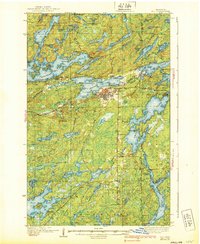
1939 · Ely
USGS Topo · 1:62,500
1954 · Two Harbors
USGS Topo · 1:250,000
1957 · Two Harbors
USGS Topo · 1:250,000
1957 · Gabbro Lake
USGS Topo · 1:62,500
1957 · Ensign Lake
USGS Topo · 1:62,500
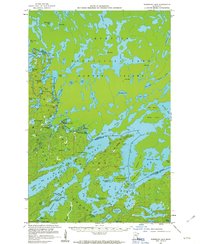
1957 · Basswood Lake
USGS Topo · 1:62,500
1957 · Quetico
USGS Topo · 1:250,000
1958 · Two Harbors
USGS Topo · 1:250,000
1963 · Fourtown Lake
USGS Topo · 1:24,000