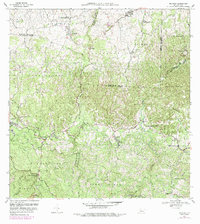
1970 Map of Bayaney
USGS Topo · Published 1989About this map
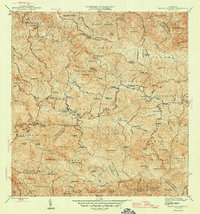
Parque Ceremonial Indígena Caguana and the world-renowned Observatorio de Arecibo anchor the cultural and scientific landscape of this central Puerto Rican region. The topography is defined by the deep incisions of the Río Camuy and Río Angeles, which carve through the limestone karst terrain near settlements like Bayaney and Angeles. The 1970 field check documents a rural network of insular routes, including 129 and 111, connecting small mountain communities and agricultural zones.
Find a feature on this map
63 named features on this map. Tap any name to fly to it.
Don’t see what you’re looking for? This feature index may not catch every label — zoom into the map to look around manually.
Map Details
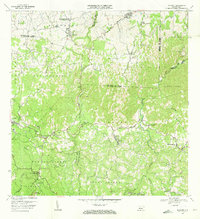
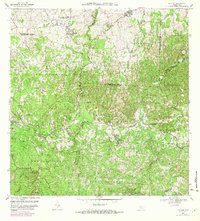
Editions of this 1970 Bayaney Map
3 editions found
Other maps of this area
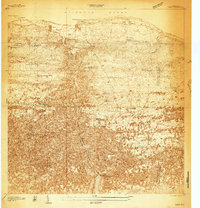
1938 · Camuy
USGS Topo · 1:20,000
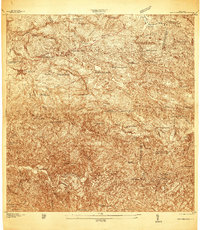
1938 · San Sebastian
USGS Topo · 1:20,000
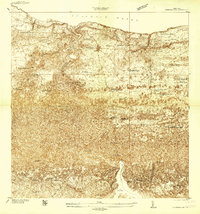
1938 · Quebradillas
USGS Topo · 1:20,000
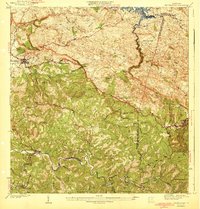
1941 · San Sebastian
USGS Topo · 1:30,000
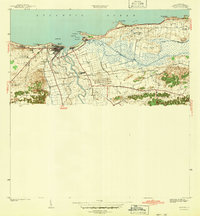
1942 · Arecibo
USGS Topo · 1:30,000
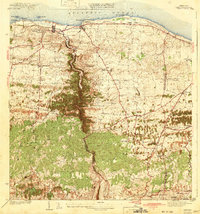
1942 · Camuy
USGS Topo · 1:30,000
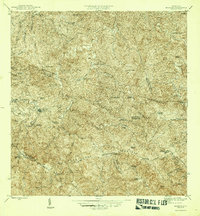
1946 · Maricao
USGS Topo · 1:30,000
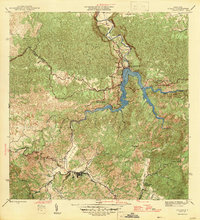
1946 · Utuado
USGS Topo · 1:30,000
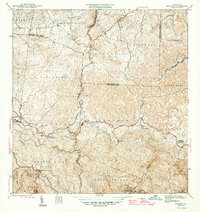
1946 · Bayaney
USGS Topo · 1:30,000
1946 · Monte Guilarte
USGS Topo · 1:30,000
Featured Places
- Sector El Calvario, Utuado
- Parcelas Miria, Lares
- Sector Los Cuevas, Utuado
- Sector Las Cuarenta, Hatillo
- Sector Los Santiagos, Lares