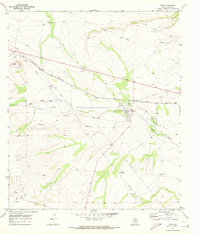
1970 Map of Best
USGS Topo · Published 1973About this map
Best sits along the northern edge of this West Texas landscape, serving as a primary point of settlement along the Atchison Topeka and Santa Fe railroad corridor. The area is defined by a series of drainage patterns and infrastructure geared toward ranching and energy extraction, characterized by numerous windmills used to pull water from the arid earth. Named landmarks like Sand Windmill, North Windmill, and Six Section Windmill dot the terrain, marking critical water sources for local operations.
Find a feature on this map
18 named features on this map. Tap any name to fly to it.
Don’t see what you’re looking for? This feature index may not catch every label — zoom into the map to look around manually.
Map Details
Editions of this 1970 Best Map
This is the sole edition of this map. No revisions or reprints were ever made.
Other maps of this area
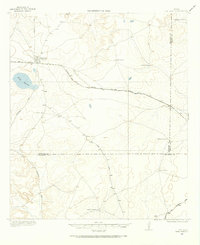
1920 · Big Lake
USGS Topo · 1:62,500
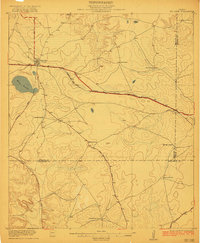
1922 · Big Lake
USGS Topo · 1:62,500
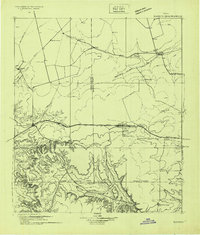
1928 · Rankin
USGS Topo · 1:125,000
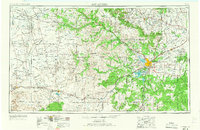
1954 · San Angelo
USGS Topo · 1:250,000
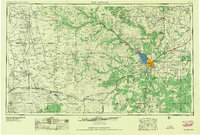
1958 · San Angelo
USGS Topo · 1:250,000
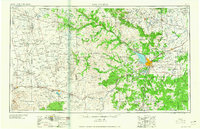
1965 · San Angelo
USGS Topo · 1:250,000
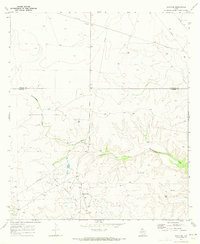
1970 · Texon SE
USGS Topo · 1:24,000
1970 · Garrison Draw
USGS Topo · 1:24,000
1970 · Gardener Draw
USGS Topo · 1:24,000
1970 · Divide Draw
USGS Topo · 1:24,000