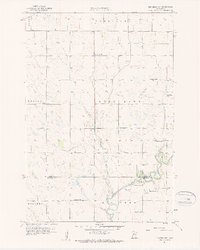
1958 Map of Big Bend City
USGS Topo · Published 1959About this map
The winding Chippewa River serves as the focal point for this 1950s survey of the border between Swift and Chippewa Counties. This agricultural landscape is defined by its rural infrastructure, featuring a dense network of numbered schoolhouses such as School No 2237, School No 2234, and School No 297 distributed across the prairie townships of West Bank and Edison. The settlement of Big Bend City anchors the southeast, positioned near the river's deep oxbows and the smaller community of Hagan.
Find a feature on this map
21 named features on this map. Tap any name to fly to it.
Don’t see what you’re looking for? This feature index may not catch every label — zoom into the map to look around manually.
Map Details
Editions of this 1958 Big Bend City Map
2 editions found
Other maps of this area
1953 · Saint Cloud
USGS Topo · 1:250,000
1957 · Saint Cloud
USGS Topo · 1:250,000
1958 · Saint Cloud
USGS Topo · 1:250,000
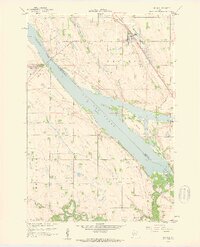
1958 · Milan
USGS Topo · 1:24,000
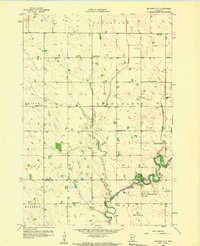
1958 · Big Bend City
USGS Topo · 1:24,000
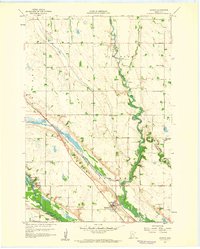
1958 · Watson
USGS Topo · 1:24,000
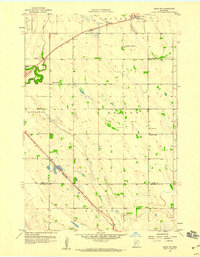
1958 · Milan NW
USGS Topo · 1:24,000
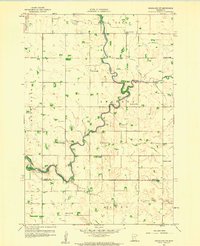
1958 · Gracelock NW
USGS Topo · 1:24,000
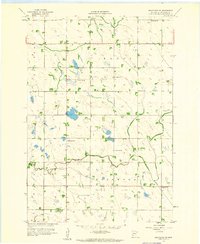
1958 · Gracelock SW
USGS Topo · 1:24,000
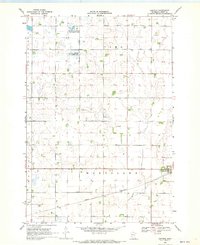
1968 · Danvers
USGS Topo · 1:24,000