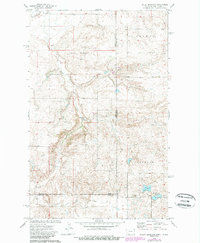
1974 Map of Brush Mountain
USGS Topo · Published 1989About this map
Brush Mountain stands as a prominent topographical landmark along the high plains where the borders of Montana and North Dakota meet. Surveyed in the mid-1970s with updates into the 1980s, this area reflects a remote landscape of prairie drainage and emergent energy exploration. Local community life is anchored by the Scandia Ch and an adjacent Cem, serving the surrounding rural townships of Climax and Strandahl.
Find a feature on this map
18 named features on this map. Tap any name to fly to it.
Don’t see what you’re looking for? This feature index may not catch every label — zoom into the map to look around manually.
Map Details
Editions of this 1974 Brush Mountain Map
2 editions found
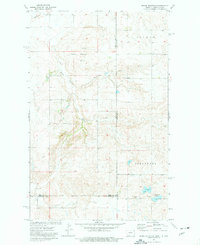
Other maps of this area
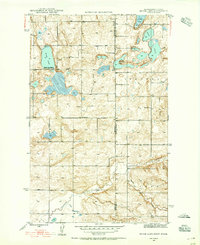
1946 · Brush Lake
USGS Topo · 1:24,000
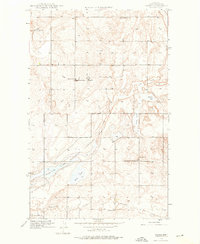
1946 · Dagmar
USGS Topo · 1:24,000
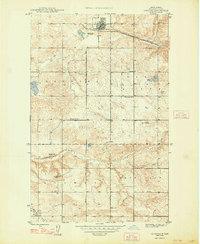
1948 · Grenora
USGS Topo · 1:24,000
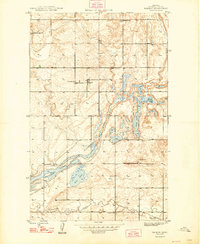
1948 · Dagmar
USGS Topo · 1:24,000
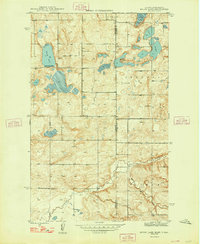
1948 · Brush Lake
USGS Topo · 1:24,000
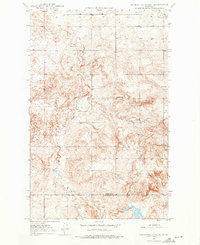
1948 · Sunnyhill School
USGS Topo · 1:24,000
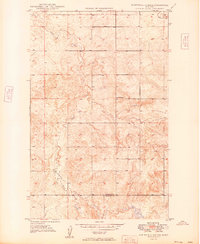
1949 · Sunnyhill School
USGS Topo · 1:24,000
1953 · Williston
USGS Topo · 1:250,000
1954 · Wolf Point
USGS Topo · 1:250,000
1957 · Williston
USGS Topo · 1:250,000