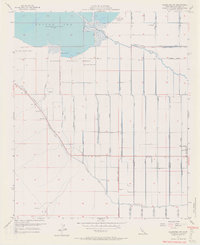
1956 Map of Calipatria SW
USGS Topo · Published 1966About this map
The Salton Sea dominates the northern reaches of this Imperial County landscape, its shoreline bordered by the protected wetlands of the Salton Sea National Wildlife Refuge. In the mid-1950s, the agricultural character of the region is defined by an intricate network of irrigation and drainage infrastructure essential for farming the desert floor. The Westside Main Canal and the Thistle Canal feed a grid of laterals and drains, including the Trifolium Storm Drain and Vail Canal, which organize the territory between the settlement at Westmorland and the Vail Ranch. The New River meanders toward the sea, while localized features like a Gravel Pit and a Spring provide clues to the literal groundwork and water management of this era. This survey, directed by Harvey O. Banks, preserves a time when the desert's transformation into a massive agricultural engine was in full maturity.
Find a feature on this map
31 named features on this map. Tap any name to fly to it.
Don’t see what you’re looking for? This feature index may not catch every label — zoom into the map to look around manually.
Map Details
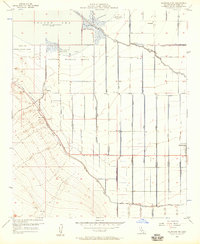
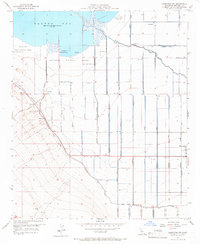
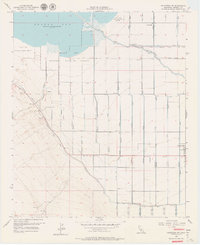
Editions of this 1956 Calipatria SW Map
4 editions found
Other maps of this area
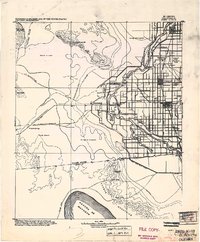
1915 · El Centro
USGS Topo · 1:125,000
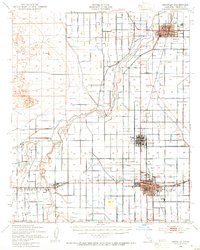
1940 · Brawley
USGS Topo · 1:62,500
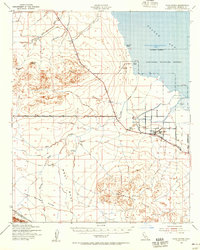
1940 · Kane Spring
USGS Topo · 1:62,500
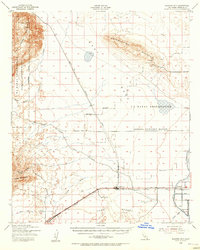
1940 · Plaster City
USGS Topo · 1:62,500
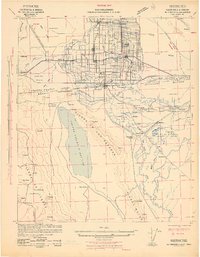
1942 · El Centro
USGS Topo · 1:250,000
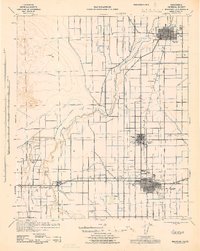
1943 · Brawley
USGS Topo · 1:62,500
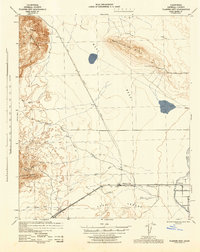
1944 · Plaster City
USGS Topo · 1:62,500
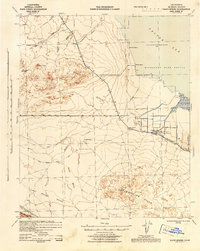
1944 · Kane Spring
USGS Topo · 1:62,500
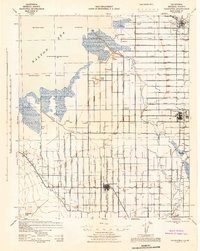
1944 · Calipatria
USGS Topo · 1:62,500
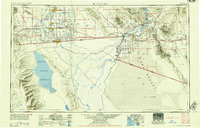
1954 · El Centro
USGS Topo · 1:250,000