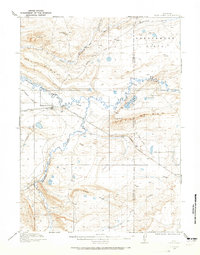
1915 Map of Como Ridge
USGS Topo · Published 1965About this map
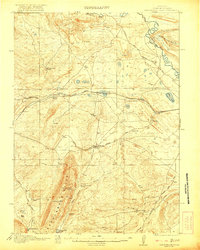
Medicine Bow serves as the primary hub of this 1915 landscape, positioned where the Union Pacific railroad cuts across the arid plains of Wyoming. This era of settlement is defined by isolated outposts and local landmarks, from the Ambler School and Ambler Spring to the intriguing site of Robbers Roost along Como Ridge. The terrain is shaped by the complex hydrology of the Medicine Bow River and the Little Medicine Bow River, which wind through a series of prominent formations including Slate Ridge and the expansive Greasewood Flats. These physical barriers dictated the early transportation network, which is marked here by historic corridors like Marshall Road and Difficulty Road. Farther east, near the Carbon Co Albany Co line, the map records rural educational sites such as Kansas School, documenting the spread of community infrastructure in a territory still very much defined by its geological character.
Find a feature on this map
26 named features on this map. Tap any name to fly to it.
Don’t see what you’re looking for? This feature index may not catch every label — zoom into the map to look around manually.
Map Details
Editions of this 1915 Como Ridge Map
2 editions found
Other maps of this area
1914 · Saddleback Hills
USGS Topo · 1:62,500
1915 · Como Ridge
USGS Topo · 1:48,000
1918 · Como Ridge
USGS Topo · 1:62,500
1921 · Saddleback Hills
USGS Topo · 1:62,500
1954 · Torrington
USGS Topo · 1:250,000
1954 · Cheyenne
USGS Topo · 1:250,000
1954 · Rawlins
USGS Topo · 1:250,000
1955 · Pine Tree Ridge
USGS Topo · 1:24,000
1955 · Rock River
USGS Topo · 1:24,000
1955 · Wilcox
USGS Topo · 1:24,000