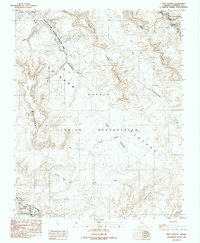
1985 Map of Face Canyon
USGS Topo · Published 1986About this map
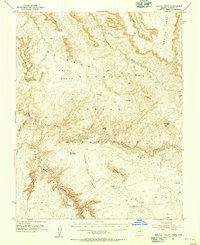
The Navajo Indian Reservation spans the majority of this mid-1980s landscape, where high plateaus meet the deep incisions of the Colorado River drainage system. The terrain is dominated by the Rainbow Plateau and the prominent Weed Bench, which rise above the complex network of canyons. The map documents the northern boundary where the reservation meets the Glen Canyon National Recreation Area, showcasing the dramatic interaction between the waters of Lake Powell and the winding course of Face Canyon. Local indigenous history is reflected in several named sites and water sources, such as Hastiin Yazhi Bito and Tiislohi. The detailed topographical relief reveals the isolated nature of these uplands, illustrating the expansive and difficult terrain that has historically separated the plateau from the primary corridors of travel.
Find a feature on this map
13 named features on this map. Tap any name to fly to it.
Don’t see what you’re looking for? This feature index may not catch every label — zoom into the map to look around manually.
Map Details
Editions of this 1985 Face Canyon Map
This is the sole edition of this map. No revisions or reprints were ever made.
Other maps of this area
1886 · Escalante
USGS Topo · 1:250,000
1886 · Echo Cliffs
USGS Topo · 1:250,000
1891 · Echo Cliffs
USGS Topo · 1:250,000
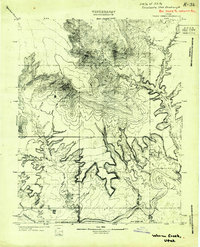
1922 · Warm Creek
USGS Topo · 1:63,360
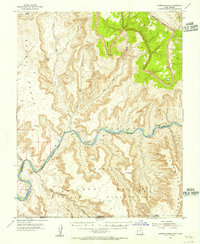
1953 · Cummings Mesa
USGS Topo · 1:62,500
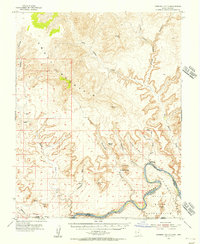
1953 · Gunsight Butte
USGS Topo · 1:62,500
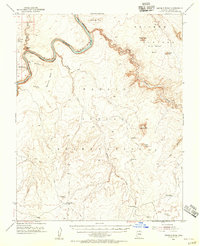
1954 · Leche-E Rock
USGS Topo · 1:62,500
1954 · Navajo Creek
USGS Topo · 1:62,500
1956 · Escalante
USGS Topo · 1:250,000
1956 · Marble Canyon
USGS Topo · 1:250,000