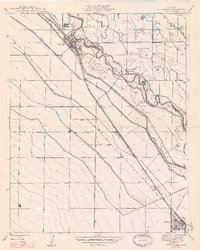
1947 Map of Firebaugh
USGS Topo · Published 1947About this map
The San Joaquin River defines the landscape of the western Central Valley in the years following World War II, serving as the border between Madera and Fresno counties. This 1946 culture revision highlights a region deeply integrated into irrigation and transport networks, where the Helm Canal, Outside Canal, and Main Canal diverge from the river to support local agriculture. The Southern Pacific railroad runs parallel to the waterway, connecting the established hubs of Firebaugh and Mendota through several small sidings and junctions such as Benito, Cromir, and Arbios. Large-scale operations like East Side Ranch and Helm Ranch are prominent landmarks, illustrating the area's transition from open valley floor to a highly managed agricultural engine. A meticulous grid of avenues, including Shaw Avenue and Ashlan Avenue, organizes the territory south of the river, reflecting the systematic division of land characteristic of California's interior development.
Find a feature on this map
36 named features on this map. Tap any name to fly to it.
Don’t see what you’re looking for? This feature index may not catch every label — zoom into the map to look around manually.
Map Details
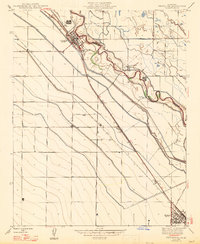
Editions of this 1947 Firebaugh Map
2 editions found
Other maps of this area
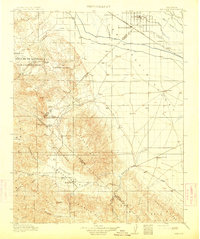
1913 · Panoche
USGS Topo · 1:125,000
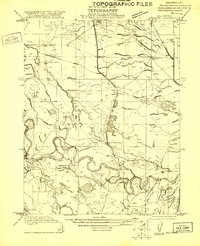
1921 · Mendota
USGS Topo · 1:31,680
1922 · Oxalis
USGS Topo · 1:31,680
1922 · Tufts Ranch
USGS Topo · 1:31,680
1922 · Pozo Farm
USGS Topo · 1:31,680
1922 · Kentucky Well
USGS Topo · 1:31,680
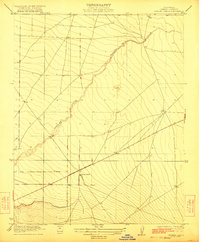
1922 · Chaney Ranch
USGS Topo · 1:31,680
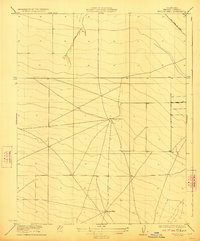
1923 · Wisdom Well
USGS Topo · 1:31,680
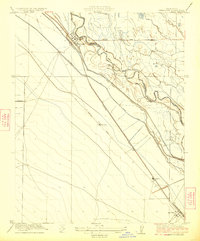
1923 · Firebaugh
USGS Topo · 1:31,680
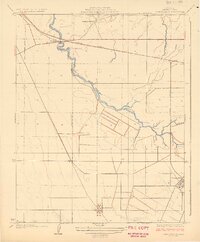
1924 · Tranquillity
USGS Topo · 1:31,680