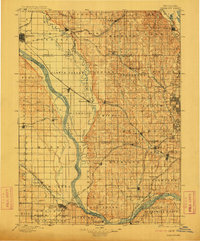
1896 Map of Fremont
USGS Topo · Published 1912About this map
The Platte River and Elkhorn River dominate this late nineteenth-century landscape, carving a wide valley through eastern Nebraska. This area, surveyed by Jno. H. Renshawe and H.S. Wallace, shows a region defined by its critical rail junctions and river crossings. Major transport arteries like the Union Pacific R. R. and the Burlington and Missouri River R. R. intersect the terrain, connecting established settlements like Fremont and Ashland to burgeoning peripheral towns such as Gretna, Millard, and Waterloo.
Find a feature on this map
82 named features on this map. Tap any name to fly to it.
Don’t see what you’re looking for? This feature index may not catch every label — zoom into the map to look around manually.
Map Details
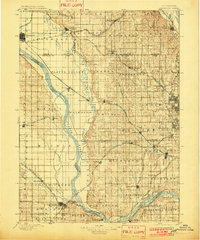
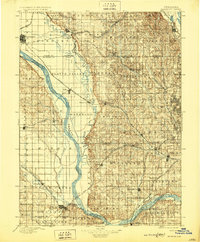
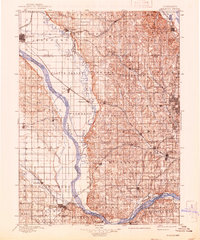
Editions of this 1896 Fremont Map
5 editions found
Other maps of this area
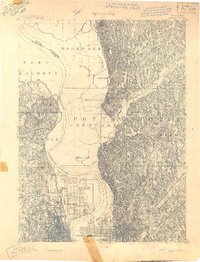
1893 · Omaha
USGS Topo · 1:62,500
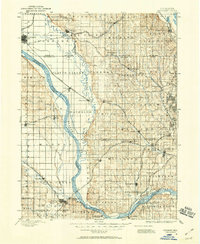
1893 · Fremont
USGS Topo · 1:125,000
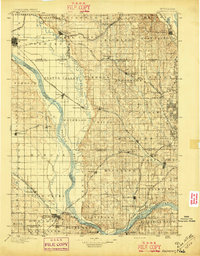
1896 · Fremont
USGS Topo · 1:125,000
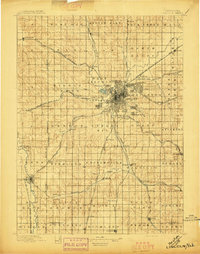
1897 · Lincoln
USGS Topo · 1:125,000
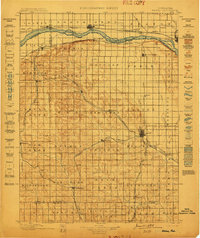
1899 · Wahoo
USGS Topo · 1:125,000
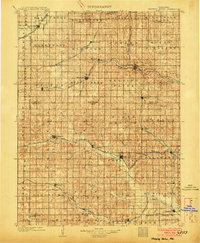
1903 · Weeping Water
USGS Topo · 1:125,000
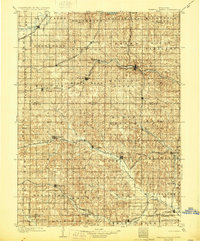
1929 · Weeping Water
USGS Topo · 1:125,000
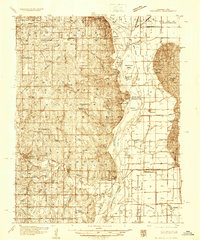
1935 · Nehawka
USGS Topo · 1:48,000
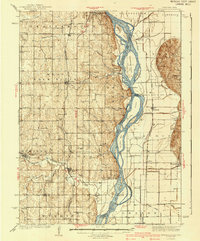
1940 · Nehawka
USGS Topo · 1:62,500
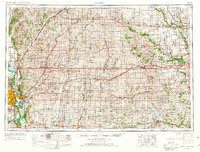
1954 · Omaha
USGS Topo · 1:250,000