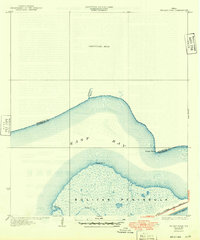
1933 Map of Frozen Point
USGS Topo · Published 1949About this map
Bolivar Peninsula separates the churning waters of the Gulf of Mexico from the sheltered expanse of East Bay in this coastal Texas survey. The map details a fragile landscape of coastal marshes and waterways, notably around Marsh Point and the winding Pasture Bayou. While much of the northern shoreline remains a large Unsurveyed Area, the southern portion captures the vital transportation corridor of the early 20th century. The Gulf Colorado and Santa Fe railroad line runs parallel to the gulf shore, serving the small community of Caplen. This infrastructure reflects the era's reliance on rail for coastal trade and settlement before the expansion of modern highway systems. Geographic markers like Frozen Point and Robinson Bayou provide essential navigation references for this transition zone between land and sea.
Find a feature on this map
12 named features on this map. Tap any name to fly to it.
Don’t see what you’re looking for? This feature index may not catch every label — zoom into the map to look around manually.
Map Details
Editions of this 1933 Frozen Point Map
2 editions found
Other maps of this area
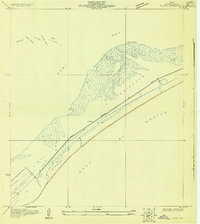
1931 · Flake
USGS Topo · 1:24,000
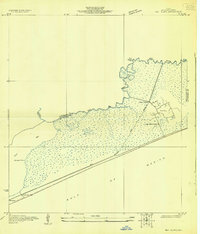
1931 · High Island
USGS Topo · 1:24,000
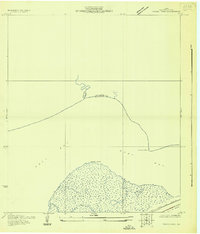
1931 · Frozen Point
USGS Topo · 1:24,000
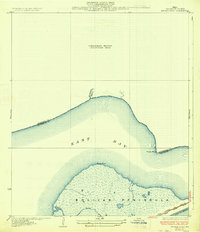
1933 · Frozen Point
USGS Topo · 1:31,680
1933 · Caplen
USGS Topo · 1:31,680
1933 · Whites Lake
USGS Topo · 1:31,680
1933 · Flake
USGS Topo · 1:31,680
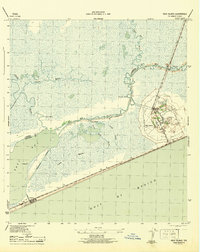
1943 · High Island
USGS Topo · 1:31,680
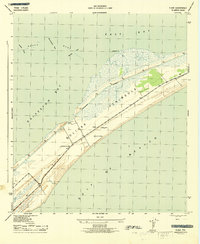
1943 · Flake
USGS Topo · 1:25,000
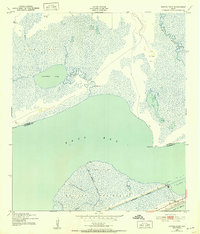
1943 · Frozen Point
USGS Topo · 1:24,000