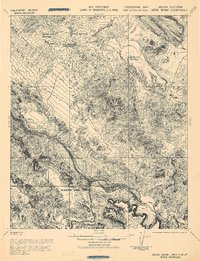
1943 Map of Giers Basin
USGS Topo · Published 1943About this map
Parker Dam stands as the central engineering landmark in this 1943 survey, capturing the infrastructure along the Colorado River during World War II. Produced by the 651st Engineer Topographic Battalion for the California-Arizona Maneuver Area, the map emphasizes water sources and elevation crucial for military training in the desert. The terrain is dominated by the jagged Mohave Mountains, where isolated water points like Mohave Spring, Screwbean Spring, and Gold Spring provided essential resources in an otherwise arid landscape. Traces of earlier mineral exploration appear at the Manitowoc Prospect, reflecting the region's mining history. The map also delineates the state boundary between Arizona and California, alongside the county line for Mohave and San Bernardino counties, showing how these political borders follow the river's path through the high-relief basin.
Find a feature on this map
9 named features on this map. Tap any name to fly to it.
Don’t see what you’re looking for? This feature index may not catch every label — zoom into the map to look around manually.
Map Details
Editions of this 1943 Giers Basin Map
This is the sole edition of this map. No revisions or reprints were ever made.
Other maps of this area
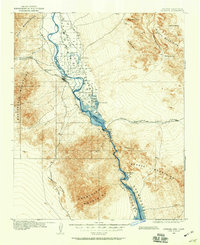
1903 · Needles
USGS Topo · 1:125,000
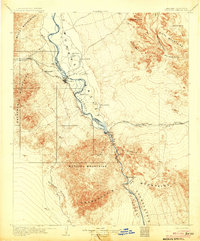
1904 · Needles Special
USGS Topo · 1:125,000
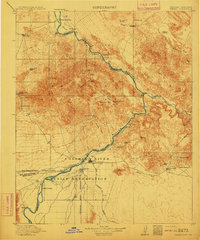
1911 · Parker
USGS Topo · 1:125,000
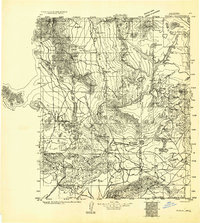
1923 · Signal
USGS Topo · 1:250,000
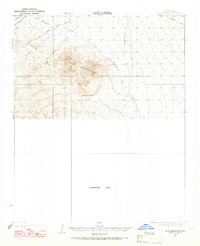
1927 · Buck Mountains
USGS Topo · 1:62,500
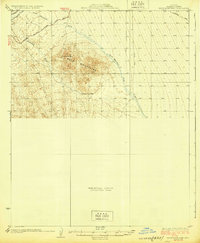
1929 · Buck Mountains
USGS Topo · 1:62,500
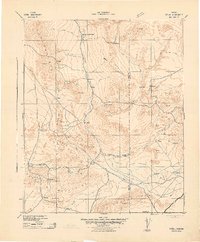
1942 · Signal
USGS Topo · 1:250,000
1943 · Topock
USGS Topo · 1:62,500
1943 · Whipple Mts.
USGS Topo · 1:62,500
1943 · Parker
USGS Topo · 1:62,500