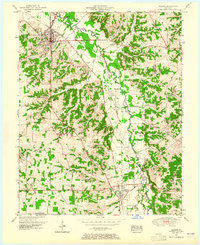
1951 Map of Hardin
USGS Topo · Published 1965About this map
Benton serves as the focal point of this mid-century Western Kentucky landscape, situated along the Nashville Chattanooga and St Louis railroad line. The corridor is defined by the winding course of the Clarks River and its East Fork, where several traditional river crossings like Washburn Ford and Gardner Ford remain documented. The map reveals a dense network of rural community centers, from the settlement of Hardin in the south to smaller locales like Burnham, Elizabeth, and Dogtown.
Find a feature on this map
64 named features on this map. Tap any name to fly to it.
Don’t see what you’re looking for? This feature index may not catch every label — zoom into the map to look around manually.
Map Details
Editions of this 1951 Hardin Map
2 editions found
Other maps of this area
1936 · Oak Level
USGS Topo · 1:24,000
1936 · Elva
USGS Topo · 1:24,000
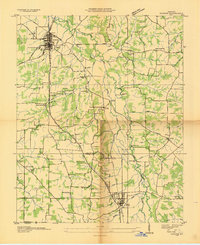
1936 · Hardin
USGS Topo · 1:24,000
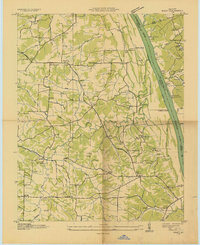
1936 · Hiatt
USGS Topo · 1:24,000
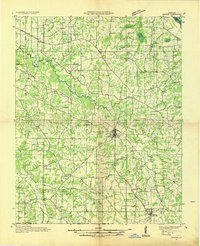
1936 · Benton
USGS Topo · 1:48,000
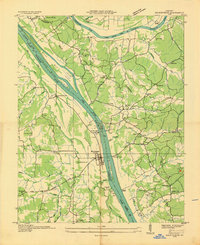
1936 · Birmingham
USGS Topo · 1:24,000
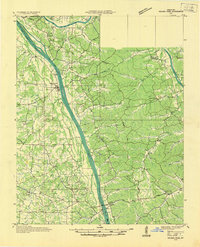
1936 · Golden Pond
USGS Topo · 1:48,000
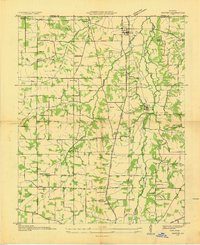
1936 · Dexter
USGS Topo · 1:24,000
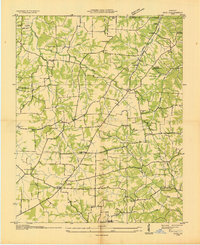
1936 · Hico
USGS Topo · 1:24,000
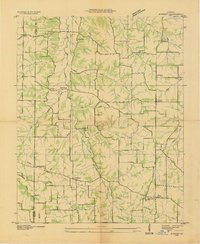
1936 · Kirksey
USGS Topo · 1:24,000