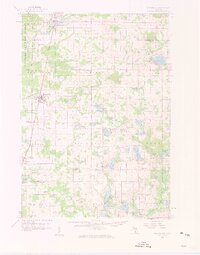
1959 Map of Howard City
USGS Topo · Published 1960About this map
The Pennsylvania railroad corridor anchors the western landscape of this mid-century portrait, connecting the village of Howard City with northern timber and farming outposts. In this era of late 1950s rural development, the topography is defined by a dense network of glacial lakes including Tamarack Lake and Cranberry Lake, surrounded by small family-named schools and churches that served a scattered agricultural community.
Find a feature on this map
112 named features on this map. Tap any name to fly to it.
Don’t see what you’re looking for? This feature index may not catch every label — zoom into the map to look around manually.
Map Details
Editions of this 1959 Howard City Map
2 editions found
Other maps of this area
1918 · Cedar Springs
USGS Topo · 1:62,500
1943 · Cedar Springs
USGS Topo · 1:62,500
1954 · Midland
USGS Topo · 1:250,000
1958 · Midland
USGS Topo · 1:250,000
1958 · Sand Lake
USGS Topo · 1:62,500
1958 · Woodville
USGS Topo · 1:62,500
1958 · Big Rapids
USGS Topo · 1:62,500
1959 · Midland
USGS Topo · 1:250,000
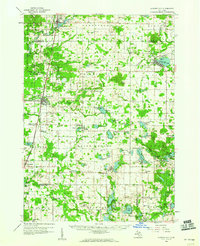
1959 · Howard City
USGS Topo · 1:62,500
1964 · Six Lakes
USGS Topo · 1:24,000