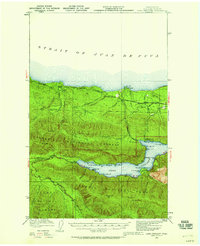
1918 Map of Lake Crescent
USGS Topo · Published 1958About this map
Lake Crescent dominates the southern landscape of this 1918 survey, its deep waters framed by the steep slopes of Pyramid Mtn and Sourdough Mtn. The northern coast along the Strait of Juan de Fuca shows a burgeoning timber and transit corridor, defined by the Chicago Milwaukee and St Paul and Pacific RR and multiple Logging RR lines. Small coastal settlements like Twin, with its Twin School, and Gettysburg at Low Pt served as maritime and rail outposts before the expansion of modern highways.
Find a feature on this map
60 named features on this map. Tap any name to fly to it.
Don’t see what you’re looking for? This feature index may not catch every label — zoom into the map to look around manually.
Map Details
Editions of this 1918 Lake Crescent Map
This is the sole edition of this map. No revisions or reprints were ever made.
Other maps of this area
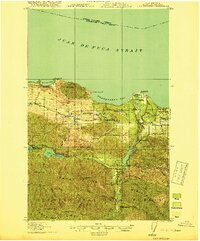
1919 · Port Crescent
USGS Topo · 1:62,500
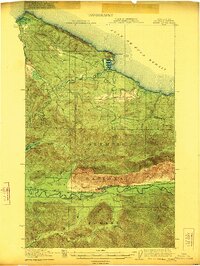
1922 · Pysht
USGS Topo · 1:62,500
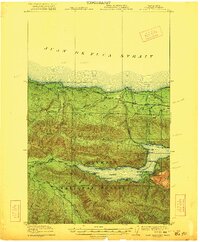
1922 · Lake Crescent
USGS Topo · 1:62,500
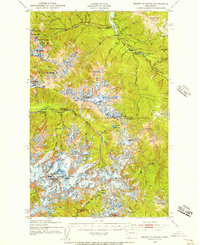
1935 · Mount Olympus
USGS Topo · 1:62,500
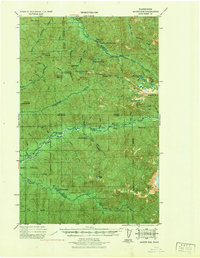
1939 · Mount Tom
USGS Topo · 1:62,500
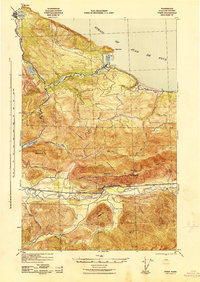
1942 · Pysht
USGS Topo · 1:62,500
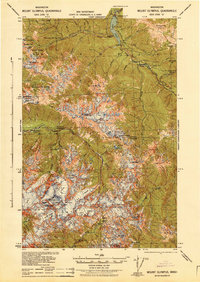
1942 · Mount Olympus
USGS Topo · 1:62,500
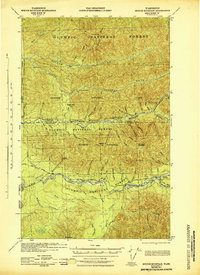
1943 · Spruce Mountain
USGS Topo · 1:62,500
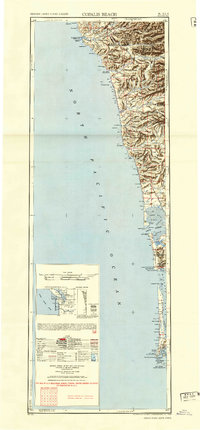
1943 · Copalis Beach
USGS Topo · 1:250,000
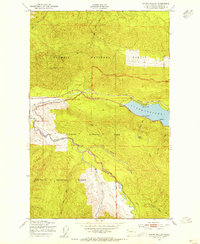
1950 · Mount Muller
USGS Topo · 1:24,000